On January 7, Gov. Janet Mills vetoed LD 151, a bill that would have allowed farmworkers to collectively bargain in Maine.
The bill was originally passed by the 130th Maine Legislature during its first session, but Mills held the bill before vetoing it last week. Under Maine law, if the legislature adjourns before the expiration of the 10-day period in which a governor can veto a bill, it can be vetoed within three days of the legislature reconvening.
LD 151 would have allowed workers at farms that employ more than five people to organize and required agricultural employers to engage in collective bargaining. The bill also created standards of mediation and arbitration for when agricultural employees and employers are unable to reach an agreement, which were subject to enforcement and oversight by the Maine Labor Relations Board and the Superior Court in the case of civil action.
In her veto letter, Mills called the law and its provisions “complicated” and “complex.” She also noted that, unlike previous legislation focused on agricultural legal disputes, the bill would apply to “every farm in Maine with more than five employees, seasonal or year-round, part-time or full-time.”
Mills wrote that while she is “a committed supporter of collective bargaining rights for workers generally” she could not “in good conscience” support a bill that “would subject our farmers to a complicated new set of laws that would require them to hire lawyers just to understand.”
Mills also cited challenges farmers are facing and expressed concern the bill “would further burden our small, family-owned farms by saddling them with increased costs.” In her veto letter, Mills described the impact COVID-19 has had on Maine agriculture, disrupting supply chains and markets, increasing fuel and grocery prices, and contributing to a labor shortage.
“I have heard directly from local farmers who describe the painstaking difficulty they are experiencing in attracting and retaining the workers they need to sustain operations,” Mills wrote in her veto letter.
Mills also said she had followed debate over the bill closely and had “carefully” reviewed public testimony which she described as “overwhelmingly in opposition” of LD 151.
Testimony opposing the bill was provided by many agricultural groups in the state, including the Maine Vegetable and Small Fruit Growers Association, the Agricultural Council of Maine, and the Maine Dairy Industry Association. The Maine Farm Bureau and the Maine Potato Board also opposed LD 151.
Mills concluded by stating she was open to working with “legislative leaders, farming interests and advocates” to develop legislation more tailored to the “unique circumstances” of Maine’s agricultural sector.
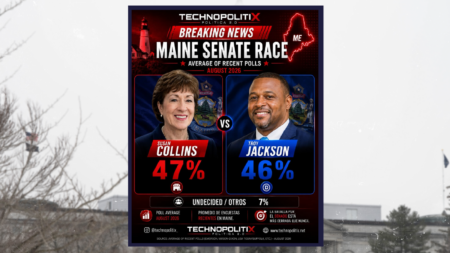
Mills’ opposition to LD 151 again puts her at odds with progressives in her own party. During the 130th Legislature’s first session, Mills vetoed several bills that were sponsored by Senate President Troy Jackson (D-Aroostook), including legislation that would have banned the aerial spraying of herbicides, and two bills that would have instituted price control measures for prescription drugs.