


The Trump administration’s sharp escalation of immigration enforcement is creating new uncertainty across Maine’s immigrant and refugee communities, recent reports suggest.
A confluence of factors is leading to this new pressure. Federal officials have slashed refugee admissions, increased deportations and detention actions, and began reviewing immigration cases approved under the previous administration.
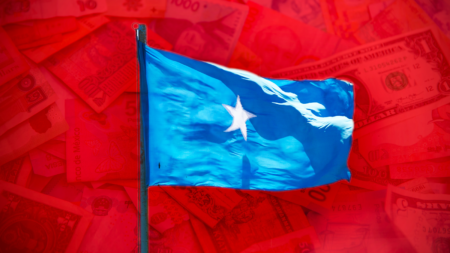
At the same time, a large fraud scandal involving Somali-run nonprofits in Minnesota is adding pressure and scrutiny that community leaders in Maine say could have lasting effects.
Maine is expected to receive only about 50 refugees in 2026 after the administration set the nationwide refugee ceiling at 7,500, a historic low. Federal officials also directed that most available slots be reserved for white South Africans, leaving far fewer openings for other refugee groups.
The reduced ceiling, combined with the cut back in federal funding to organizations like, Catholic Charities Maine and the Jewish Community Alliance, has left the state with significantly diminished capacity to resettle newcomers.
Against this background, immigration authorities are also intensifying enforcement and increase case reviews for individuals admitted between 2021 and 2025. Advocates in Maine say the heightened scrutiny has created fear among immigrants, who are increasingly avoiding contact with law enforcement and public agencies.
Of particular concern, service providers report that some residents are less likely to report crimes or seek assistance because of concerns about immigration consequences.
This sense of uncertainty is further compounded by fallout from a major fraud investigation in Minnesota involving Somali American nonprofit leaders and social-service organizations. Federal prosecutors allege that schemes targeting child-nutrition programs, Medicaid autism services, and housing assistance siphoned millions of dollars in public funds. Dozens of people charged in the case are of Somali descent.
While the allegations center on Minnesota, community leaders in Maine say the scandal has prompted renewed scrutiny of Somali-run nonprofits and raised concerns about potential stigma or backlash against Somali residents in Lewiston and Portland. Somali immigrants have played a significant role in shaping parts of Lewiston over the past two decades, opening businesses, filling workforce gaps, and contributing to the local economy along with the openings of many nonprofit organizations.
Nonprofits serving Somali families in Maine warn that the combined effects of the federal crackdown and national attention on the Minnesota case may strain trust with public institutions, complicate outreach efforts, and create new challenges for long-term integration. Some groups worry that donors or government agencies may hesitate to provide funding amid heightened scrutiny, affecting programs that offer language services, housing assistance, and employment support.
Recent public uproar over the handling of the Lewiston shooting funds disbursed among nonprofits only adds to the scrutiny. Multiple calls to Somali Bantu, United Somali Woman of Maine and an email to MEIRS, seeking comment, were not returned to the Maine Wire.
Social-service agencies, community organizations, and local governments across Maine continue to monitor the federal changes and respond to shifting needs as the state prepares for another year of reduced immigration and increased uncertainty for immigrant families.


Good
But honestly, most don’t work or work minimum wage jobs and remain on welfare, they don’t actually fill workforce gaps.
Subsidizing everything for them has driven up housing costs and just about everything else
Maybe we’ll be fortunate and lots of them will self deport