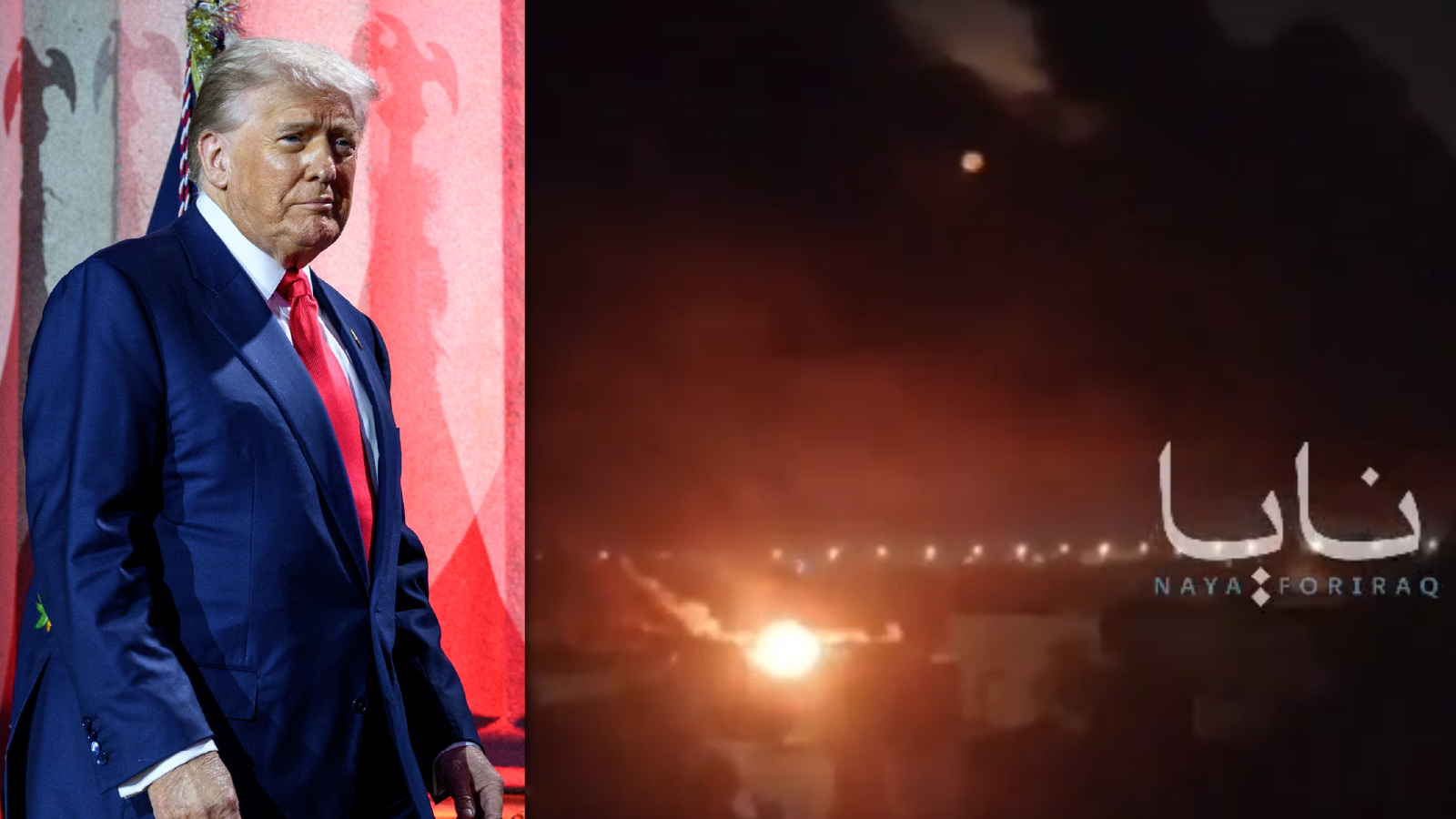
A brief pause in the five-month-old war between the United States and Iran has come to an abrupt end after Iran launched a surprise ballistic missile attack targeting U.S. forces in the Middle East, prompting a joint U.S.-Saudi military response.
The renewed fighting follows President Donald Trump’s decision to temporarily halt a 13-night U.S. bombing campaign in hopes of creating an opening for diplomacy. That effort unraveled after Iran’s Islamic Revolutionary Guard Corps (IRGC) fired multiple ballistic missiles at U.S. military positions across the region.
According to U.S. Central Command (CENTCOM), all of the incoming missiles were successfully intercepted, and there were no initial reports of American casualties.
In response, U.S. and Saudi forces carried out coordinated strikes against Iran-backed militia groups operating in Iraq. The retaliation came after separate drone attacks targeted petroleum facilities in Saudi Arabia’s eastern oil-producing region, further escalating tensions across the Middle East.
The latest exchange of attacks has cast doubt on the prospects for a negotiated end to the conflict.
President Trump has maintained that Washington and Tehran have been engaged in what he described as “very good, friendly talks” concerning the conflict and the future of the Strait of Hormuz. Iranian officials, however, have publicly rejected those claims, with the country’s foreign ministry denying that any direct negotiations with the United States are taking place.
The renewed hostilities coincided with a series of high-profile meetings at the White House, where Trump separately hosted Israeli Prime Minister Benjamin Netanyahu and Ukrainian President Volodymyr Zelenskyy.
Netanyahu’s visit comes amid reports of growing differences over the pace and direction of the military campaign against Iran. The administration is also facing increasing domestic scrutiny over the consumption of U.S. military munitions and rising fuel prices tied to instability in the region.
At the same time, U.S. officials are closely monitoring the overlap between the wars in Iran and Ukraine. Concerns have grown after recent Ukrainian strikes on Iranian commercial vessels in the Caspian Sea, adding another layer of complexity to an already volatile geopolitical landscape.
The renewed conflict is also having an immediate impact on global energy markets.
The U.S. military continues to enforce its so-called “steel wall” naval blockade around Iran, preventing at least 18 vessels from entering or leaving Iranian ports. Maritime traffic through the strategically vital Strait of Hormuz remains significantly below normal levels.
Oil prices climbed sharply following news of the latest missile exchanges. Brent crude rose to approximately $83 per barrel, while West Texas Intermediate (WTI) crude jumped more than four percent, reversing losses recorded during the brief pause in fighting over the weekend.
With diplomacy apparently stalled and military operations once again intensifying, the conflict shows few signs of easing as regional powers continue to prepare for further escalation.