

The war between the United States and Iran escalated sharply Friday, with American forces launching a seventh consecutive night of airstrikes as Tehran fired missiles and drones toward U.S. military installations across the Middle East.
The renewed fighting follows the collapse of an interim ceasefire that President Donald Trump declared “over” on July 8. Since then, both countries have expanded their operations, raising fears that the conflict could spread across the region and severely disrupt global energy supplies.
U.S. Central Command said the latest American strikes targeted Iranian military logistics, surveillance systems, weapons-storage facilities and maritime operations.
The bombing campaign has also expanded beyond traditional military sites to transportation infrastructure used to support Iranian ports and armed forces.
Recent targets reportedly included bridges and highways in southern Iran, a railway station near Bandar Abbas, Iranshahr Airport and a surveillance tower at the port of Chabahar.
American officials said the strikes are intended to weaken Iran’s ability to monitor and attack commercial vessels traveling through the Persian Gulf and Gulf of Oman.
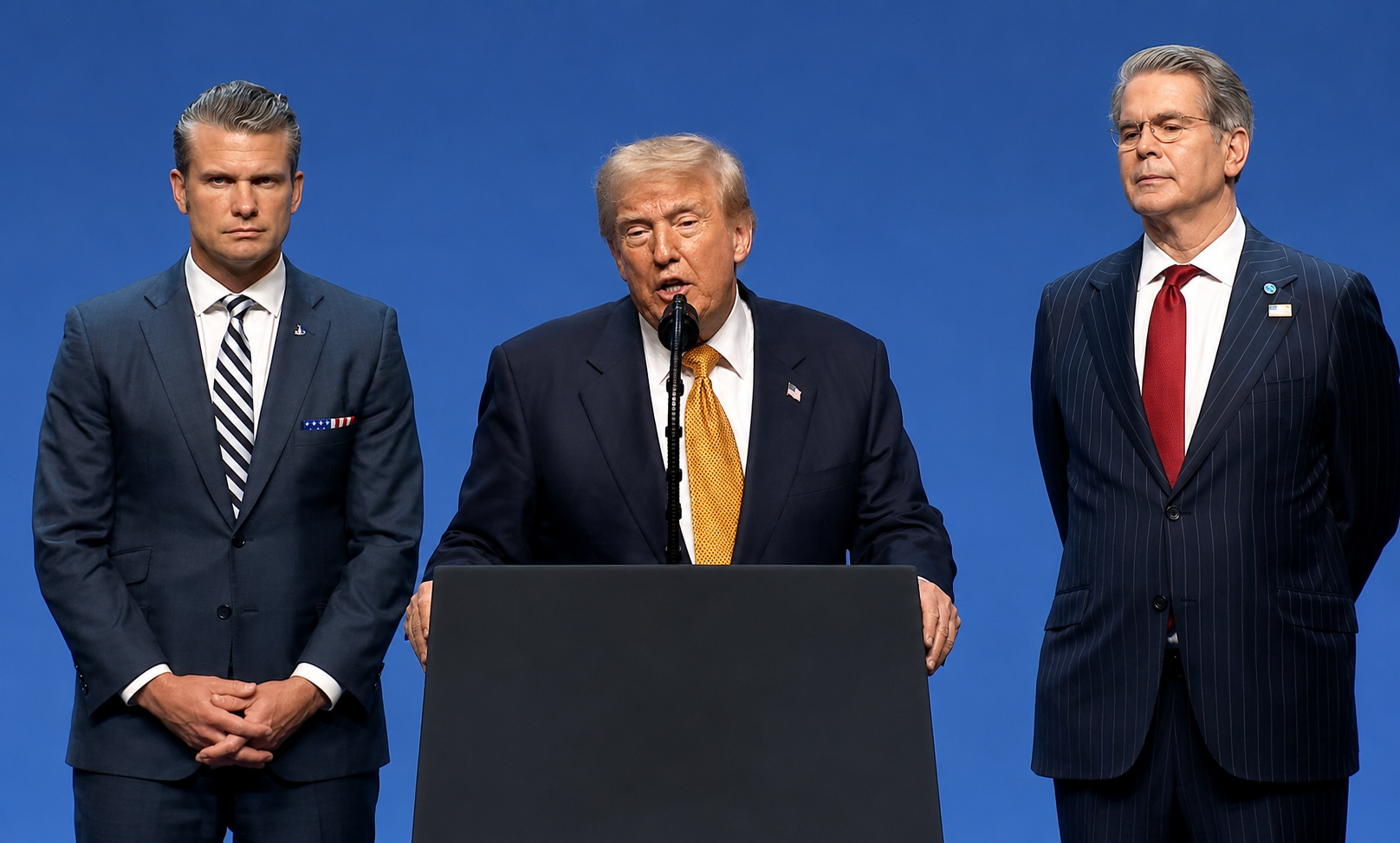
During a primetime address Thursday, Trump said the United States was “winning big” and suggested that Americans would soon see further results from the military campaign.
Trump has also threatened to expand the target list to include Iranian power plants, bridges and other infrastructure unless Tehran agrees to American demands, including unrestricted commercial passage through the Strait of Hormuz.
The possibility of strikes against civilian infrastructure has raised concerns about additional casualties and a deepening humanitarian crisis inside Iran.
United States Tightens Blockade Around Iran
The United States began enforcing a maritime blockade around Iranian ports and oil terminals Tuesday, authorizing American forces to intercept or redirect vessels attempting to enter or leave Iranian-controlled coastal areas without permission.
The blockade does not formally prevent neutral ships from passing through the Strait of Hormuz while traveling to or from other countries.
In practice, however, the threat of missile attacks, naval mines, drone strikes and American interception has caused commercial traffic through the waterway to fall dramatically.
American forces have boarded or redirected several vessels suspected of attempting to evade the blockade.
At least one commercial ship was reportedly disabled during an enforcement operation, although the full circumstances surrounding that incident have not been independently confirmed.
The Strait of Hormuz historically carries about one-fifth of the world’s oil supply, making any prolonged disruption capable of driving up fuel prices, shipping costs and the price of consumer goods worldwide.
Tehran has also threatened to widen the economic confrontation beyond the Persian Gulf.
Iranian officials reportedly asked Yemen’s Houthi movement to prepare for renewed attacks against Red Sea shipping routes if the United States targets Iran’s power grid or other energy infrastructure.
Houthi leaders have separately threatened oil facilities and other critical infrastructure in the region, increasing fears that two of the world’s most important maritime trade routes could face simultaneous disruption.
Iran Strikes U.S. Bases and Regional Allies
Iran responded to the American bombing campaign by launching missiles and drones toward U.S. military installations and allied countries across the Middle East.
Iranian forces claimed attacks against Camp Arifjan and Ali Al Salem Air Base in Kuwait, along with American-linked facilities in Bahrain, Jordan, Qatar and Syria.
Some Iranian claims concerning damage to American aircraft, radar systems and military facilities have not been confirmed by U.S. officials.
Kuwaiti officials said an Iranian strike damaged a power and water-desalination facility, while Jordan, Iraq and other regional governments reported intercepting incoming missiles and drones.
Air-raid warnings were also issued in Bahrain as the fighting expanded across several U.S.-allied countries.
Iran has warned that nations allowing the United States to use military bases on their territory could face further attacks if the American campaign continues.
The escalating exchange has placed tens of thousands of American service members stationed across the Middle East at risk of retaliation.
More than 50,000 U.S. military personnel are currently operating in the region, according to American military statements.
War Sends Energy Costs Higher
The conflict is already placing renewed pressure on international energy markets.
Oil prices have climbed as investors react to the blockade, Iranian retaliation and the sharp decline in commercial shipping through the Strait of Hormuz.
Markets remain volatile, with prices rising and falling based on the latest military developments and the possibility of renewed negotiations.
Average diesel prices in the United States have again climbed above $5 per gallon.
The increase has been driven by the Iran conflict, shipping disruptions and additional pressure on global diesel supplies following attacks against Russian refining facilities and restrictions on Russian fuel exports.
Those rising costs could soon reach Maine residents through higher prices for transportation, heating fuel, groceries, fishing, farming and construction.
Diesel powers much of the nation’s trucking and heavy-equipment industries, meaning sustained fuel increases are often passed through the supply chain and ultimately paid by consumers.
American Citizen Allowed to Leave Iran
Despite the intensifying warfare, both governments have continued to leave open the possibility of a negotiated resolution.
Trump announced Wednesday that Dena Karari, a dual American-Iranian citizen who had been prevented from leaving Iran since December 2024, had been permitted to depart the country.
Karari had faced allegations of espionage and cooperation with a hostile government.
Her attorney described the accusations as baseless and said she was returning to the United States.
Iran’s judiciary disputed Trump’s characterization of the development, saying no convicted American prisoner had been released or exchanged.
Reports indicate Karari had undergone interrogations and had been subjected to an exit ban, but was not being held in prison immediately before her departure.
Trump described Iran’s decision as a goodwill gesture and said he remained willing to pursue a diplomatic agreement.
For now, however, diplomacy has been overtaken by nightly airstrikes, retaliatory missile attacks and a maritime confrontation threatening the world’s energy supply.
With both sides expanding their operations and the Strait of Hormuz effectively paralyzed, the risk of a wider and more prolonged Middle East war continues to grow.



Keep the boots on their necks and don’t waiver