

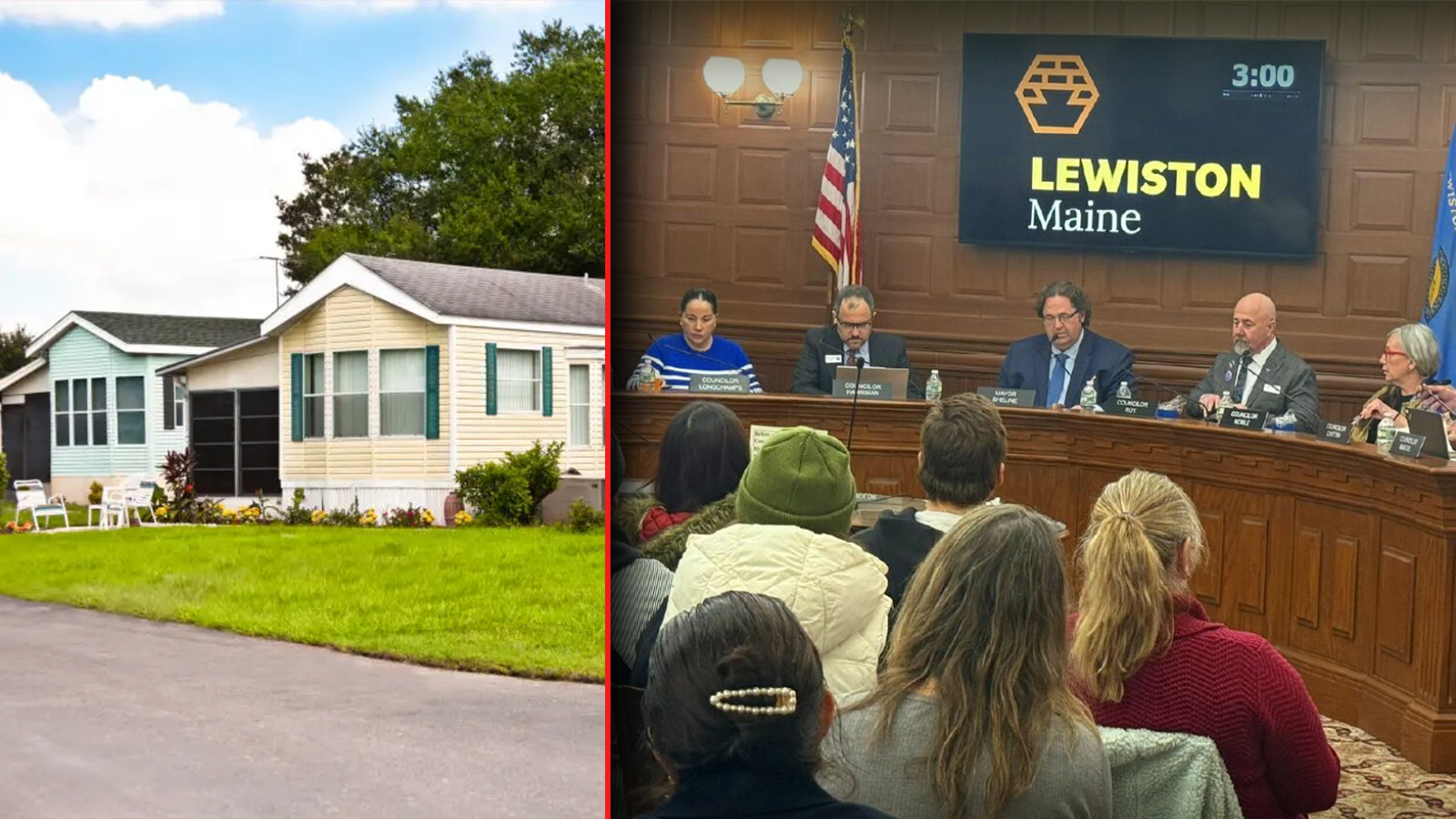
The Lewiston City Council voted Tuesday night to advance another extension of the city’s controversial moratorium on mobile home park lot rent increases, but an attempt to immediately finalize the measure failed, potentially setting up a second special meeting in as many nights.
Councilors approved first passage of the extension 5-2 during a special meeting at City Hall.
The council then attempted to waive its normal rules and proceed immediately to final passage. That motion received a 4-3 majority but required five votes, leaving the extension unfinished.
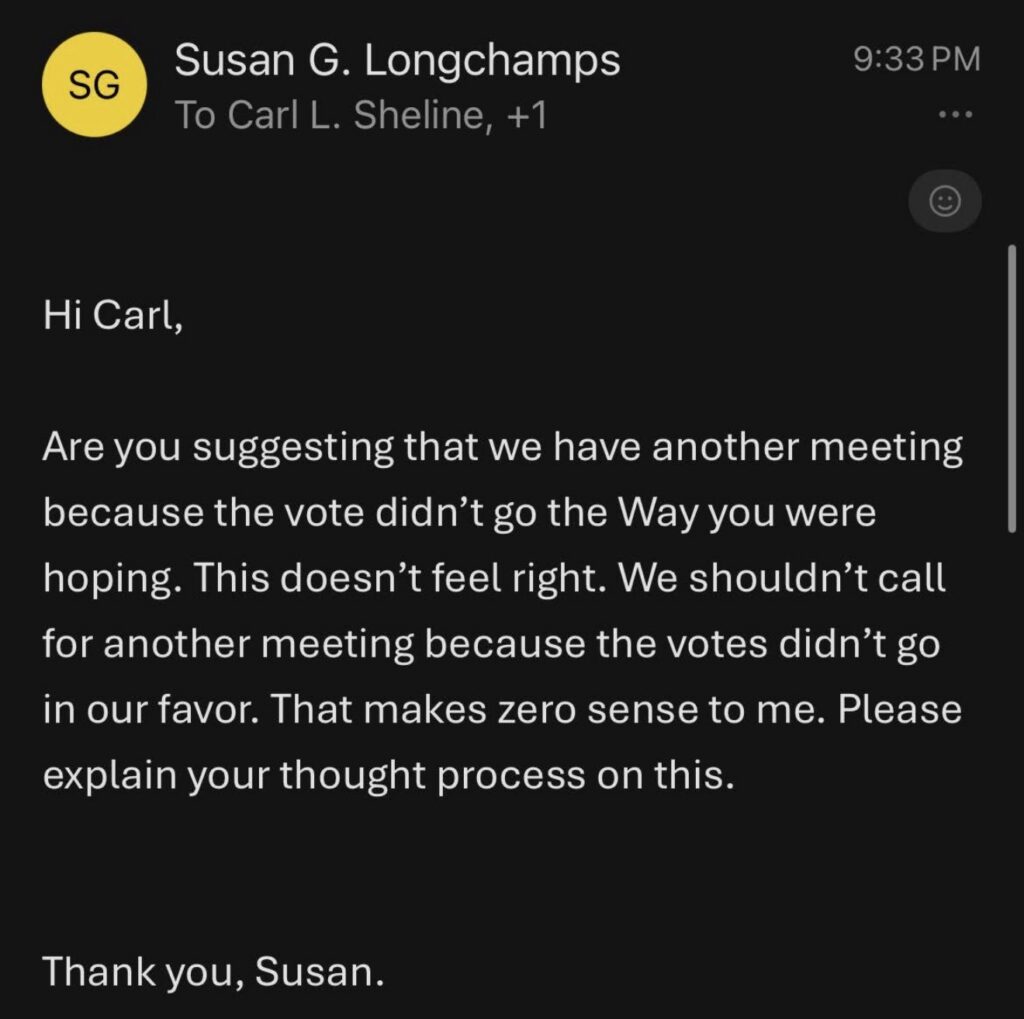
Ward 7 Councilor Bret Martel told The Maine Wire following the meeting that Mayor Carl Sheline plans to call another special City Council meeting Wednesday evening to finalize the extension.
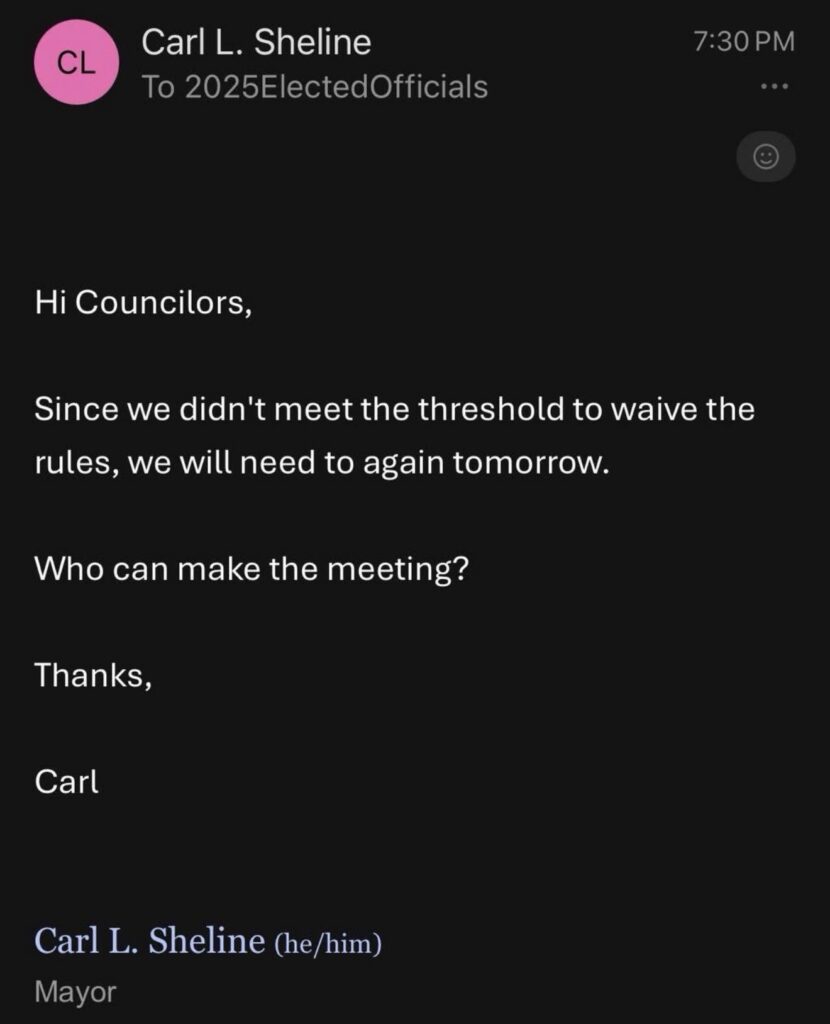
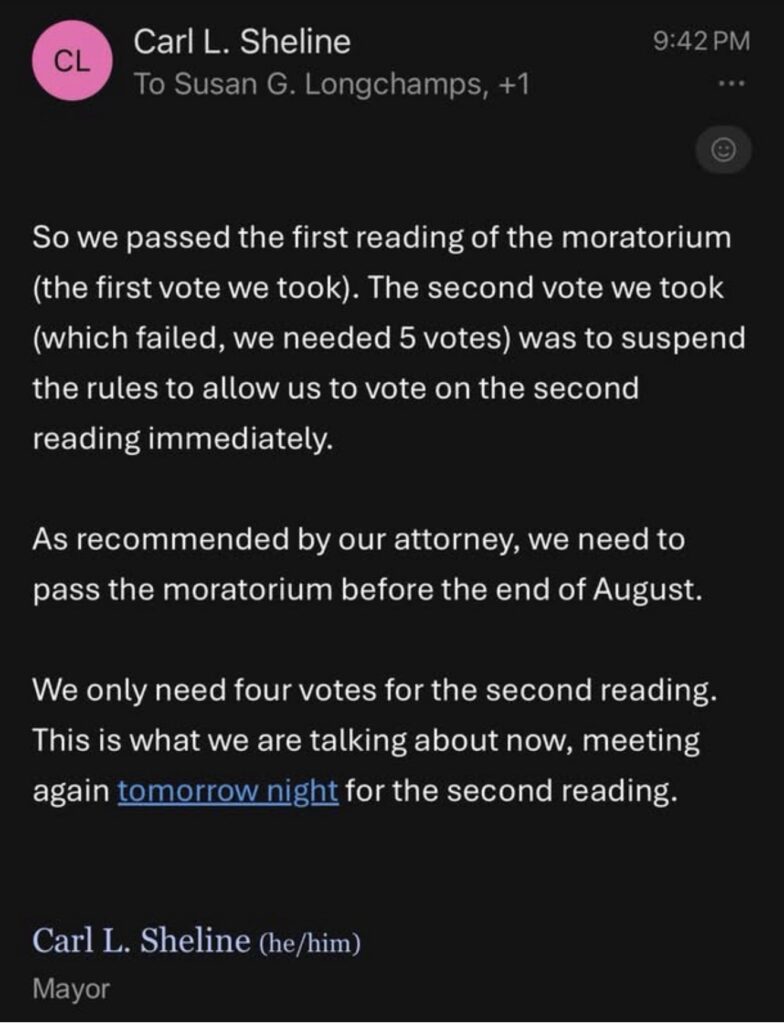
City officials said the urgency followed consultation with legal counsel, who recommended extending the moratorium to prevent a gap while Lewiston considers a permanent lot-rent stabilization ordinance.
But Tuesday’s meeting quickly became a larger debate over affordable housing, private property rights, investment and the process City Hall has used to pursue rent regulation.
Housing Committee Chairman Craig Saddlemire made one of the night’s most significant disclosures, telling councilors his committee did not request Tuesday’s moratorium extension and was not informed about the special meeting before the agenda was published.
“The Housing Committee did not request the item tonight,” Saddlemire said.
Ward 2 Councilor Susan Longchamps later questioned agenda language appearing to suggest otherwise and asked that the public record be corrected.
The controversy surrounding the Housing Committee went further.
Dash Patten, who resigned from the committee Monday, just one day before the special meeting, appeared Tuesday to oppose the extension.
Patten described himself as a “now former member” of the committee and criticized what he viewed as a rushed process.
“This damn-the-torpedoes, full-speed-ahead, rules-to-the-wayside approach to a manufactured, unproven crisis will likely cause more harm to a much-needed sector of our housing,” Patten said.
Several mobile home park owners and representatives also pushed back.
Nicole Penfield, regional manager for Boa Vista Communities, which operates three Lewiston parks, disputed previous claims about rent increases.
Penfield said Boa Vista purchased Country Lane and Stetson Brook in 2024 and has issued one increase per year averaging approximately $37. She said average lot rent at the two communities is approximately $473 per month.
Penfield said Country Lane has spent more than $80,000 on paving and electrical repairs in 2026, while carrying approximately $25,000 in delinquent rent and more than $7,000 in legal expenses.
“We have land available, but we’re not going to invest significant money” in additional lots and homes if the company cannot recover its investment, Penfield said.
Sunset Gardens owners said the existing moratorium has already damaged their business.
Lori Gordon said her husband planned to retire in May and the couple expected to begin a long-awaited trip to visit national parks Aug. 1. Instead, she said, the moratorium disrupted the pending sale of parks held by the same ownership group for 18 years.
“Our dreams were shattered,” Gordon said.
John Horton, another Sunset Gardens owner, warned that permanent regulation could force owners to reconsider whether their land should remain a mobile home park.
“We are not a nonprofit, and we will not be forced to act like one,” Horton said.
A real estate agent involved in the proposed sale told councilors the moratorium contributed to a roughly 26 percent reduction in the parks’ value and caused a sales contract to collapse.
Housing Committee member Katie Lewis, a property owner specializing in affordable housing, also opposed continuing the freeze.
Lewis said housing affordability is a genuine problem, but argued the committee’s work has not demonstrated that Lewiston park owners are exploiting tenants.
“The data shows a very real, very impactful, systemic affordability problem,” Lewis said. “However, it does not support the leap that claims owners are the cause of this problem.”
Martel raised additional concerns after public comment, questioning the need for the moratorium and the transparency of the process.
He said his concern about a prior executive session was not that councilors met privately, but that legal counsel was not present Tuesday to publicly answer questions about information councilors had received.
Martel also said multiple people have told him lawsuits are being prepared if Lewiston adopts a permanent lot-rent ordinance.
Ward 5 Councilor Chrissy Noble emphasized that Tuesday’s vote concerned only the temporary moratorium, not final adoption of rent stabilization.
Ward 6 Councilor David Chittim said he previously opposed extending the freeze because he believed Maine’s 90-day notice requirement would protect residents during any gap. Chittim said legal counsel subsequently advised him otherwise, leading him to support what he called an “emergency stopgap measure.”
Tuesday’s meeting ended with five councilors supporting first passage but only four willing to waive the rules for immediate final action.
Now, according to Martel, Sheline intends to bring them back Wednesday evening to finish the process. Is there cause to call an emergency meeting?
The larger question remains unresolved: whether Lewiston needs permanent mobile home lot-rent regulation at all.
For park residents, owners and councilors, the fight has become about more than rent, encompassing affordable housing, private property, investment and how far City Hall should go in regulating the price of housing.



So the same politicians who have caused the affordability issue are no expected to fix it? For democrats to be concerned about affordability they must be hoping for more taxpayer money to steal.