

By Caroline McCaughey – Special for The Maine Wire
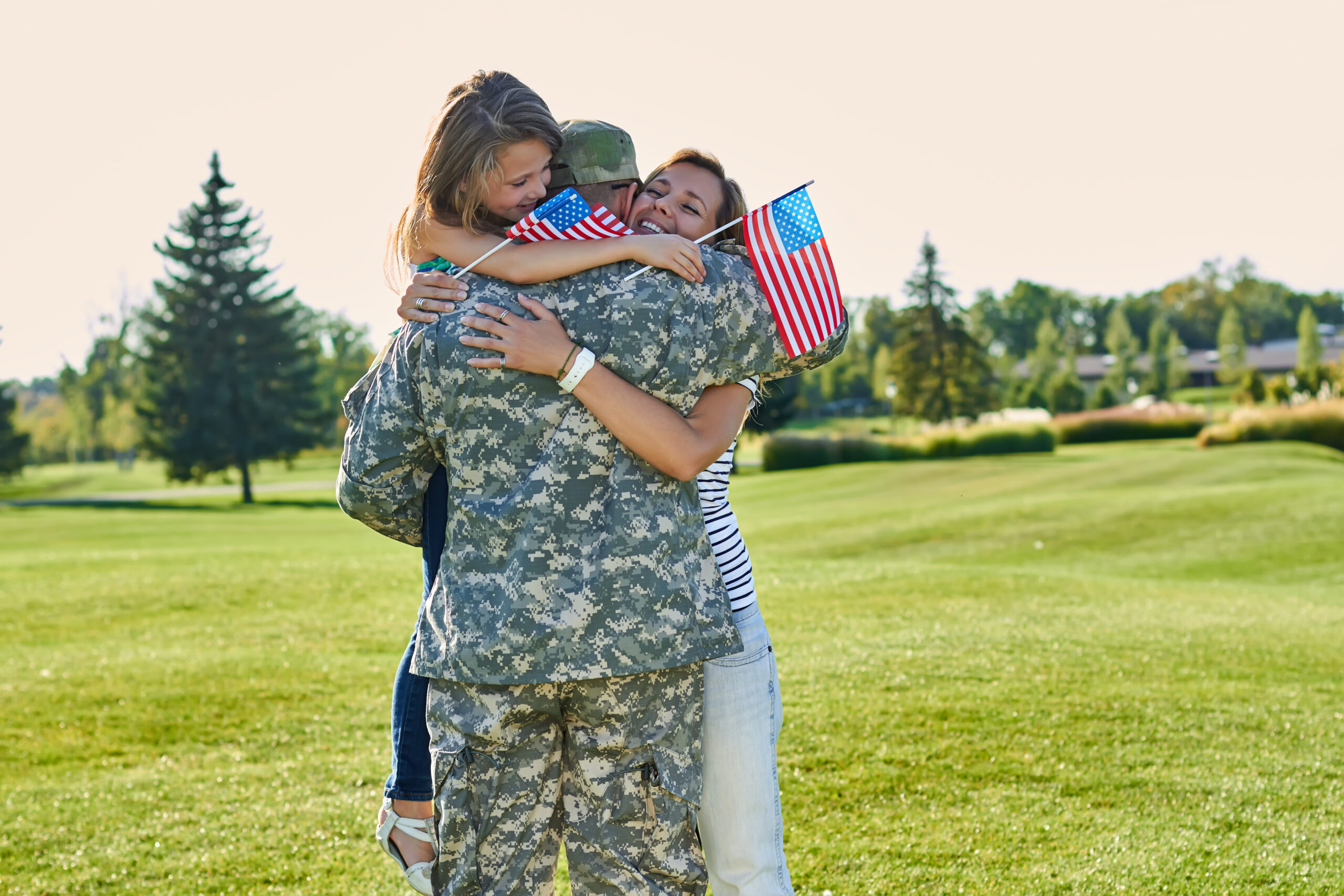
Friday, May 8 is Military Spouses Appreciation Day, and Maine State Sen. Brad Farrin (R-Somerset) told the Maine Wire it’s well deserved.
“We spend a lot of time focusing on the service member, but I don’t think we spend enough time talking about the family,” said Farrin, who served more than 25 years in the Maine Air National Guard, with deployments to Iraq and the Horn of Africa.
Maine has one of the highest concentrations of veterans per capita of any state. Farrin said constant deployments and the uncertainty of whether a loved one will come home — or return with injuries — takes its toll on the family.
“Mainers have consistently, throughout generations, stepped up to serve,” Farrin said, and added, “Veterans have a hard time asking for help, and I think that relays to the family as well.”
President Ronald Reagan first recognized Military Spouse Appreciation Day in 1984 to honor the “countless personal sacrifices” these spouses make to support the armed services. The day falls on the Friday before Mother’s Day.
More than half of military and veteran spouses say it’s hard to find community and support from others who understand the stresses of military family life. That’s the position Karla Seijas found herself when her husband retired after two deployments to Iraq.
“I would like people to understand that once the war is over and service members come home, that war, that location is over, but then the battle is at home,” she told Maine Wire.
Seijas’s husband served more than 20 years in the Army. She didn’t want to speak about the specifics of her husband’s diagnoses, but she said he’s on full disability and lives with what she calls “invisible wounds.”
“When I say the transition has been hard, it’s in terms of knowing what brings him joy,” she said of her husband’s retirement. “Living in a rural area and receiving care is a challenge.”
Seijas sought help from Veterans Spouse Network, an organization that hosts virtual peer support groups and workshops for veteran spouses and caregivers. The online support groups helped her create community, but she said the toll is particularly hard on her young children, who “only remember the version of dad after war.”
VSN’s program director, Hannah O’Brien, recently participated in a roundtable for nonprofits serving military families hosted by InsideSources.
“For 14.5 million military and veteran families across the country, this is the American new normal. Service doesn’t end when service members come home,” Elizabeth Dole Foundation CEO Steve Schwab told the roundtable.
Roughly one-third of military families, according to Schwab, face food insecurity. He said these families “are struggling to maintain jobs and balancing the needs of supporting loved ones while raising their kids. And 5.5 million of these children in these families are serving as, we call them, hidden helpers,” taking on caregiving roles themselves.
Bonnie Carroll, the president of Tragedy Assistance Program for Survivors, told the panel that the toll on child caregivers and those who’ve lost a parent or spouse is particularly acute. After 20 years in Iraq and Afghanistan, Carroll said, we are seeing the devastation visited upon families from combat injuries, as well as long-term health effects like cancer linked to environmental exposure.
“The government does three things very well: render final honors, provide a final resting place, and administer benefits to those who are eligible,” Carroll said. “All those grieving the loss are really left to their own devices, so TAPS steps in.”
The private sector has, too. Lisa Rechsteiner of PMI US, which provides financial support to these and other nonprofits serving veterans and their families, told the roundtable that “service members do not experience military life alone. Their families share in their experience, and its impact can last through active duty to transition periods and long after service ends.”
Farrin agrees. “You need the service member focused on the mission, not worried about whether the wife or husband is going to be able to pay the grocery bill or fill up the car with gas,” he said.
“The spouses are just as important as the war fighting member, and I think recognition of that is very important.”
Caroline McCaughey is a New Hampshire journalist who writes about politics and culture.


The Veterans Administration should be replaced by the best available private health insurance paid for by the Pentagon.