

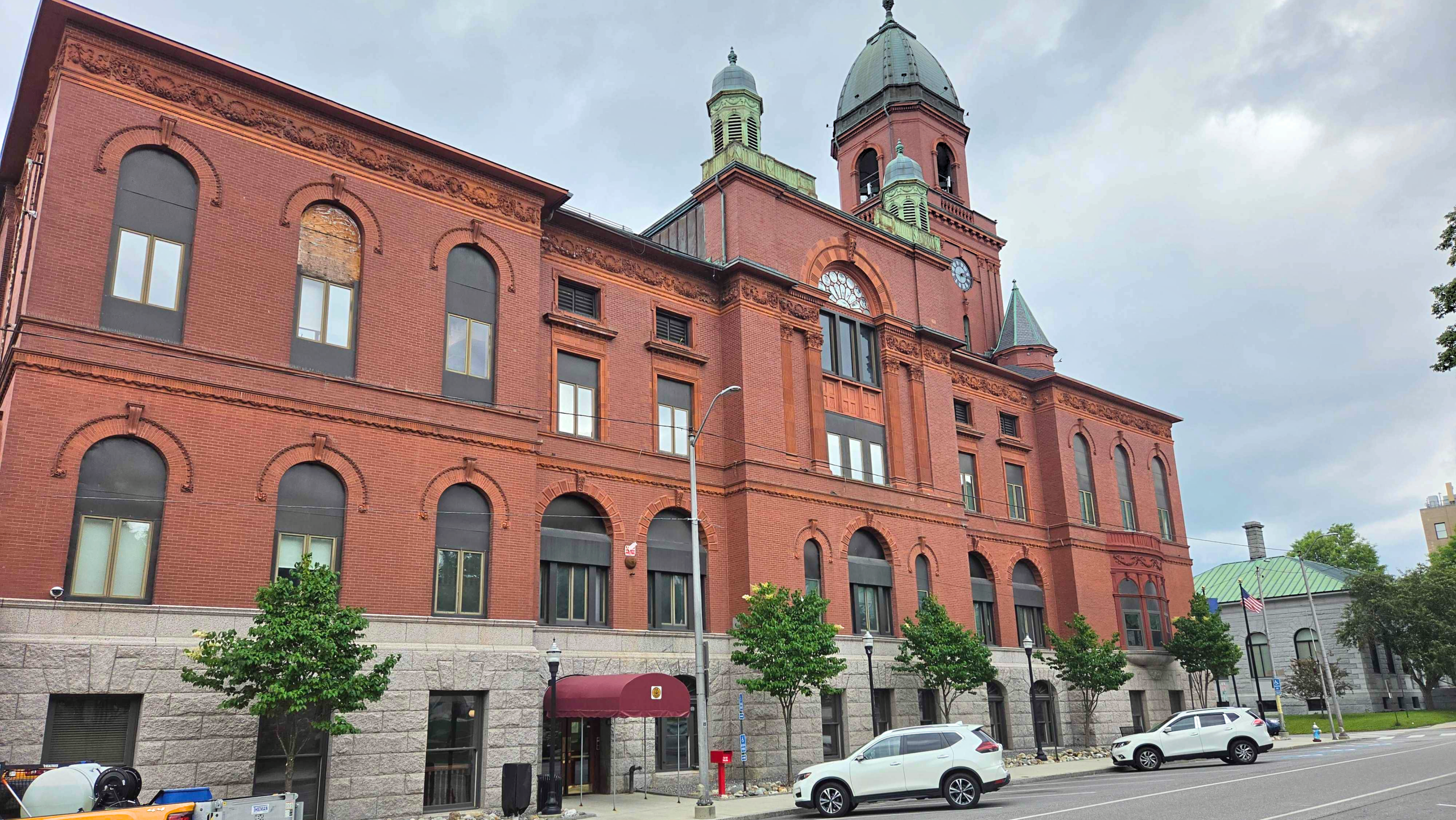
LEWISTON, Maine — Lewiston residents will have the final say on whether the city’s syringe exchange program should operate under significantly stricter rules after the Lewiston City Council voted unanimously Tuesday night to send a citizen-led initiative to the November ballot.
Rather than adopting the proposal outright, councilors voted 7-0 to place the measure before voters in a citywide referendum.
The initiative, led by former Lewiston City Councilor Eryn Soule and resident Marcel LeClair, seeks to substantially amend the city’s existing Syringe Service Program ordinance. Supporters gathered 966 certified signatures, enough to require the City Council to either adopt the ordinance as written or send it to voters for a referendum.
If approved in November, the proposal would impose several new restrictions on syringe exchange programs operating in Lewiston.
Among the most significant changes is a strict one-for-one exchange requirement, meaning individuals would have to return one used syringe for every clean syringe they receive. The proposal would also limit participants to no more than 20 clean syringes per day, prohibit mobile syringe exchange units from operating anywhere within city limits, and require providers to operate from a single fixed brick-and-mortar location.
The proposed ordinance marks a sharp departure from Lewiston’s current rules.
Under the city’s existing ordinance, syringe service providers are not required to conduct one-for-one exchanges, participants may receive up to 100 syringes per visit without a daily limit, mobile exchange services are permitted through the city’s licensing process, and providers may operate from multiple licensed locations.
Supporters of the initiative argue the changes are necessary to address growing concerns over discarded needles in neighborhoods, parks, and other public spaces.
Organizers say volunteers collected more than 1,000 discarded syringes from just three cleanup locations in approximately three hours, pointing to the volume of needle litter as evidence that stronger accountability measures are needed. They contend a one-for-one exchange system encourages participants to return used syringes instead of leaving them in public places where they can pose hazards to children, families, and municipal workers.
Opponents, however, argue the proposal would undermine established harm-reduction practices.
Public health advocates, along with Lewiston Mayor Carl Sheline, have warned that limiting access to sterile syringes could increase the spread of infectious diseases, including HIV and Hepatitis C, by making it more difficult for individuals struggling with addiction to obtain clean injection equipment.
The debate unfolding in Lewiston mirrors similar discussions taking place elsewhere in Androscoggin County.
In neighboring Auburn, city officials have been considering their own restrictions on syringe service programs, including limiting the number of licensed providers and requiring Maine CDC certification. Following lengthy public testimony and heated debate, however, the Auburn City Council recently voted to postpone final action on those proposed regulations.
With Tuesday night’s unanimous vote, Lewiston councilors placed the question directly in the hands of voters. Residents will decide in November whether the city’s syringe exchange program should continue under its current framework or move to the stricter one-for-one system outlined in the citizen initiative.



All drug users move now to Lewiston, the city council has given you control.