Be honest.
How many times have you looked at your fantasy football roster since your draft?
Once?
Ten times?
Maybe you have already convinced yourself that the running back you grabbed in the eighth round is the steal of the year.
Your receivers are loaded. Your quarterback is ready for a career season. That rookie nobody else wanted? You saw something everyone else missed.
Of course you did.
Then Sunday happens.
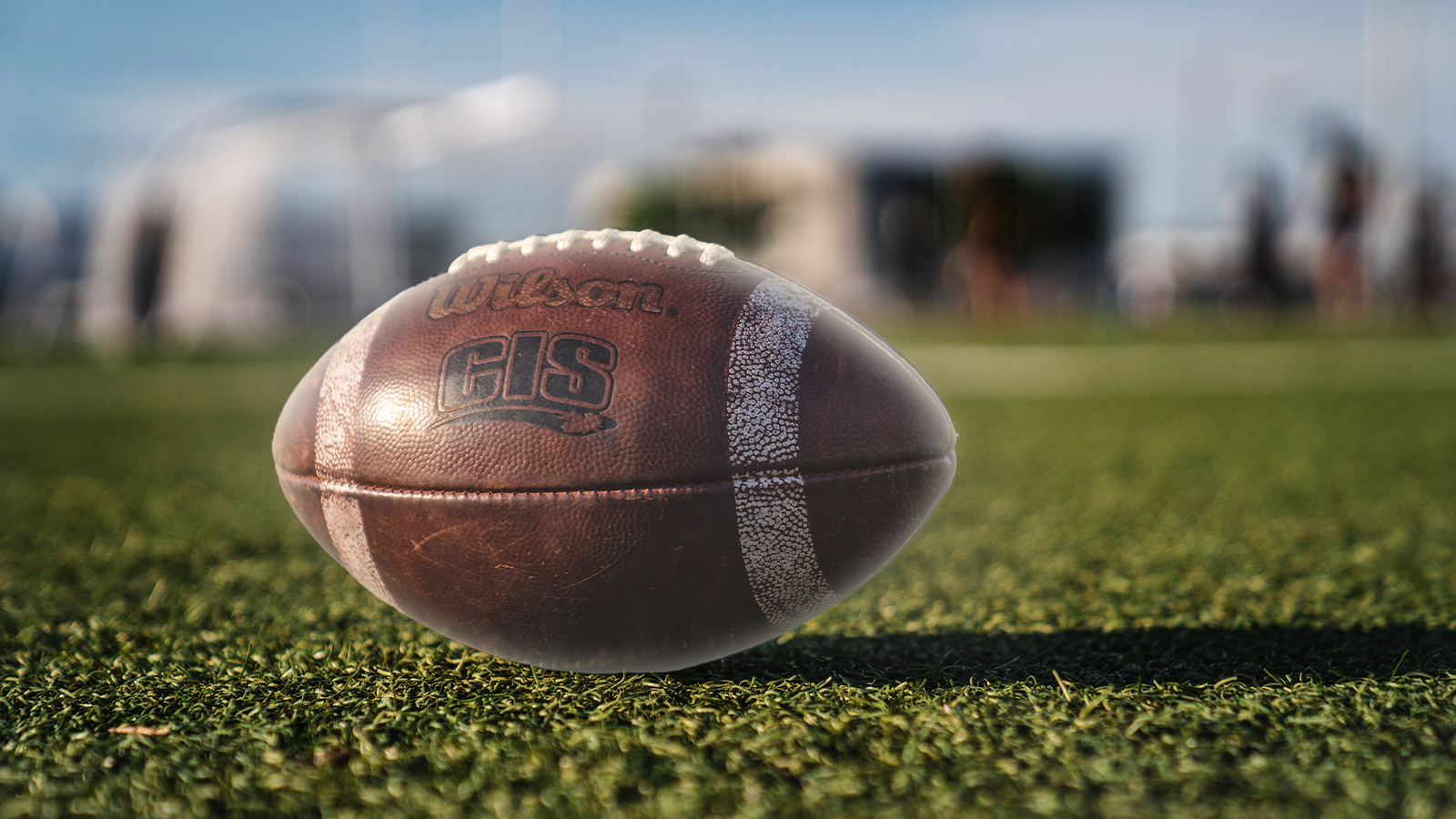
Football season is here, and along with the return of the NFL comes another American fall tradition: millions of otherwise rational adults obsessing over fantasy football teams that exist only on their phones.
For Patriots fans across Maine, Sunday afternoons are no longer necessarily just about New England winning.
You might need the Patriots to win, a Buffalo receiver to have a terrible afternoon, a Cincinnati running back to score twice and some tight end playing in Seattle to catch exactly four passes.
Welcome to fantasy football.
What started more than 60 years ago as a game created by a handful of football insiders has become a massive part of the way Americans consume the NFL.
And somewhere in Maine right now, someone is absolutely certain they drafted a championship team.
Give it a week.
From Pencil and Paper to Phones and RedZone
Fantasy football traces its roots to the early 1960s, when a group that included Oakland Raiders minority owner Bill Winkenbach began developing a game in which participants drafted real NFL players and competed based on their statistics.
The first organized draft took place in 1963.
There were no apps. No instant scoring. No push notifications telling you your starting running back just went to the medical tent.
Players had to track statistics manually.
Today, fantasy football could not look more different.
Major platforms handle scoring instantly. Injury reports are updated in real time. Waiver-wire claims can be made from the couch. Entire television shows, podcasts and websites are dedicated to telling you who to draft, who to bench and who you absolutely should not have trusted.
The Fantasy Sports & Gaming Association has estimated that tens of millions of Americans participate in fantasy sports, and football remains the dominant game.
That growth has changed the way people watch the NFL.
A Patriots fan in Portland might suddenly care deeply about a game between Arizona and Cincinnati because one receiver could decide whether he wins or loses his fantasy matchup.
A game that once meant nothing suddenly means everything.
At least until Monday morning.
So How Does It Work?
The basic idea is simple.
A group of friends, relatives, coworkers or complete strangers forms a league.
Each person becomes the owner and general manager of a fantasy team and drafts real NFL players.
Quarterbacks, running backs, wide receivers, tight ends, kickers and defenses earn fantasy points based on what they actually do during NFL games.
Touchdowns are good.
Yards are good.
Catches may be good, depending on your scoring system.
Interceptions?
Not so good.
Most leagues match fantasy teams against each other each week, with the highest-scoring team earning the win.
Simple enough.
Until injuries hit.
Or your first-round pick gives you four points.
Or the backup running back sitting on your bench somehow scores three touchdowns.
Then fantasy football becomes less of a hobby and more of an emotional roller coaster.
Everybody Is a General Manager
Part of the appeal is obvious.
Fantasy football gives ordinary fans the chance to act like they know more than NFL coaches and general managers.
We draft.
We trade.
We cut players.
We scour the waiver wire.
We argue about matchups.
We spend entirely too much time deciding whether a player projected to score 11.2 points should start over someone projected to score 10.8.
And then we blame the app.
Fantasy football has also created its own language.
Sleepers.
Busts.
Handcuffs.
Flex positions.
Waiver priority.
Start-or-sit decisions.
And perhaps the most dangerous phrase heard every August:
“Trust me on this guy.”
Maine Is Part of the Fantasy Football Boom
Fantasy football may still feel like a friendly competition among friends, but paid fantasy contests are also a regulated business in Maine.
The Maine Gambling Control Unit oversees fantasy contest operators permitted to operate in the state.
Maine law distinguishes fantasy contests from traditional sports wagering, and several major fantasy operators are licensed to offer contests here.
That is a long way from a handful of football fans with pencils, paper and a newspaper box score.
Today, fantasy football is big business.
But for most people playing in Maine, it still comes down to the same thing it always has.
Bragging rights.
Maybe a trophy.
Maybe a few dollars.
And definitely the opportunity to remind your friends about the time they drafted a kicker in the seventh round.
Then the Games Begin
The funny thing about fantasy football is that everybody loves their team before Week 1.
There are no bad rosters in August and early September.
Everyone thinks they drafted well.
Everyone found a sleeper.
Everyone has a breakout candidate.
Everyone is going to make the playoffs.
Then the first games are played.
One player gets hurt.
Another disappears from the offense.
The rookie you were convinced would become a star gets two touches.
And suddenly you are refreshing the waiver wire before halftime.
That is fantasy football.
It is frustrating.
It is ridiculous.
It can take up far too much of a Sunday afternoon.
And millions of Americans would not have it any other way.
So as football season returns, televisions across Maine will once again be tuned to the Patriots, NFL RedZone and games people previously would never have cared about.
Phones will be checked constantly.
Lineups will be second-guessed.
Trades will be proposed.
And somebody in your league will start 1-0 and immediately begin talking about the championship.
So Maine, football season is here.
How’s your roster looking?