Every two years, the citizens of Maine get to sit back and watch a spectacle of drama and high-pitched emotion take place in Augusta. We call this the biennial budget process.
In the world of municipal government, we pay close attention to this process because many of the decisions made in Augusta will impact both our municipal budgets, as well as the personal budgets of our constituents. While most elected officials remember the first part about municipal budgets, often forgotten are the effects these decisions have on our constituents’ finances. Case in point: municipal revenue sharing.
As my first foray into public life, when I stepped into office as Mayor of Waterville in January 2015, my knowledge of the inner workings of municipal budgeting was limited to external study, which included a trust in the charts and graphs that were showed at city budget meetings proving (I thought) that the single problem with Waterville’s budget, the one reason our taxes were skyrocketing, was because municipal revenue sharing had been cut.
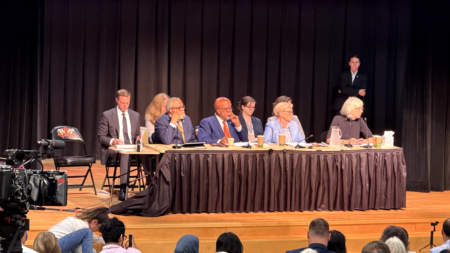
City leaders told us “call your state representatives!” They cried from the rooftops that if only revenue sharing would be restored to its former levels, our budget woes would be over. Initially, I myself joined the chorus. Before the state budget committee, I made my demands in procession with representatives from municipalities from around the state.
After two years behind the curtain in the City of Waterville’s budget process, I learned the real story.
In 2015 the state revenue sharing portion allotted to the City of Waterville remained static from the prior year. The 2016 budget included a slight increase in our revenue sharing. Despite this fact, in both the 2015 and 2016 budget cycles, city residents faced potentially enormous tax increases, including a 2.5 mil rate increase in 2016. All of this came after a new tax in 2014 that made residents start paying $2 for special trash bags if they wanted to continue utilizing city solid waste removal.
How could this be? How could our city be increasing taxes at such a rapid and seemingly endless pace? From the many voices both inside and outside of council chambers, the answer was the same. The state, they said, was not paying their proper share of revenue sharing.
When probed to provide further explanation of how the problem could be revenue sharing when we were getting the same amount every year, the chorus grew silent. Despite one angry outburst after another regarding our governor and his approach to revenue sharing, no actual answers came forth.
For anyone willing to set aside their emotions and look at the facts, the root of our budget woes showed bare.
Between fiscal years 2011 through 2016, municipal appropriations grew by almost $1.7 million. In that same time frame, Waterville’s school appropriations grew by roughly $1.9 million. An example of how this happened includes city payroll growing by almost $800,000 during this same span. Also, between the years 2011 and 2013, the city of Waterville took out three separate bond issues that resulted in $12 million in new debt and added over $900,000 in new annual debt spending. These are but just a few examples.
Anyone with a shred of intellectual honesty will admit that blaming revenue sharing for our increased taxes without taking responsibility for millions of dollars in increased annual spending is nothing more than perfidious blame shifting.
While the debate rages on about the balance between property tax and income tax, we cannot lose sight of the fact that in the end, there is only one tax payer. Instead of debating over what type of tax is best, both state legislators and municipal leaders should be looking at the overall tax burden on the individuals we represent rather than which pocket we are taking it from.
For the last two years, the governor has offered the best and most effective solution: eliminate the income tax.
At one of the highest income tax rates in the country, Mainers are at a financial disadvantage right from the start. Eliminating this burden would not only free our citizens from the bondage of over taxation while pumping millions of dollars back into local economies rather than Augusta, it would more than offset any property tax increase that might be absorbed during the transition from revenue sharing.
Scrubbing past legislation to ensure that any state mandates not under the control of municipal jurisdiction are paid for by the state would eliminate any credible pushback from local governments.
If the people of Maine are put before politics, then municipal leaders will take responsibility for their own budgets and the state legislature will stop fidgeting with numbers and create a lasting legacy through meaningful tax reform.