WASHINGTON – Maine is back in the national crosshairs after CMS Administrator Dr. Mehmet Oz publicly warned late Friday that Gov. Janet Mills (D) has 30 days to answer federal questions about MaineCare billing tied to autism services, and that “CMS is ready to take action” if Washington isn’t satisfied with what it sees.
Oz’s warning follows a new federal audit from the U.S. Department of Health and Human Services Office of Inspector General (HHS-OIG) concluding Maine made at least $45.6 million in improper fee-for-service Medicaid payments for “rehabilitative and community support” services provided to children diagnosed with autism. The audit was issued Jan. 16 and posted publicly Jan. 22.
The OIG’s findings centered on compliance and documentation failures a point echoed by the Maine Wires’ investigative reporting noting the questionable payments appeared tied more to errors and oversight breakdowns than a single, proven “fraud ring.” But Oz’s posture is clear: Maine is being treated as a test case for a tougher federal posture on Medicaid integrity.
The problem for Augusta is that the autism audit doesn’t land in a vacuum. It lands in a state already roiled by repeated allegations of waste, overbilling, and lax gatekeeping across publicly funded systems, from MaineCare providers under audit, to nonprofit billing disputes, to the still-raw controversy over the $6.6 million Lewiston shooting relief fund.
On the MaineCare side, DHHS and investigators have been grappling with a stream of cases that critics argue all look the same: the state pays first, audits later, and taxpayers are left waiting for clawbacks that may never fully come.
A high-profile example is Gateway Community Services, a provider that has been under heavy scrutiny as legislative Republicans and others demand answers about audit findings and enforcement. News Center Maine reported that a DHHS audit covering March 2021 through Dec. 2022 found Gateway overbilled MaineCare by $1,068,598.06, and that DHHS subsequently issued a “suspension of payment” notice to the provider.
Meanwhile, audits of nonprofit home-health providers have produced their own headline-grabbing repayment orders, and added fuel to the argument that MaineCare’s front-end controls are failing.
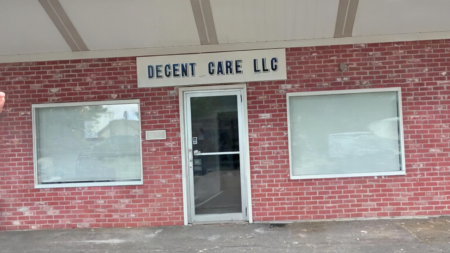
Records reviewed and reported by The Maine Wire show that 5 Stars Home Health Care, a Portland-based Medicaid-funded home care agency, was ordered to repay nearly $400,000 in overbilled MaineCare payments after failing to produce required documentation despite multiple extensions.
Another provider, Global Home Care, was found by MaineCare to have overbilled the program by $100,435, with reporting noting the recoupment amount was adjusted after an appeal, but still hovering around the $100,000 mark.
These cases are separate from the autism audit, but politically, they blur together into a single narrative: exploding public spending, weak verification, late audits, and taxpayer dollars that can be difficult to recover once they’ve been paid out.
And outside MaineCare entirely, Maine remains locked in a bitter accountability fight over how the $6.6 million Lewiston shooting relief fund was handled and distributed, a dispute that has reignited repeatedly as victims’ families and critics press for answers, transparency, and oversight.
Oz’s “30 days” ultimatum is now being interpreted by critics of the Mills administration as something bigger than an audit response deadline, a federal warning shot aimed at a state system they claim has been operating on trust, not verification.
“If we’re not satisfied with their answers,” Oz wrote, “CMS is ready to take action.” Gov. Mills has 30 days, he added. “The clock is ticking.”