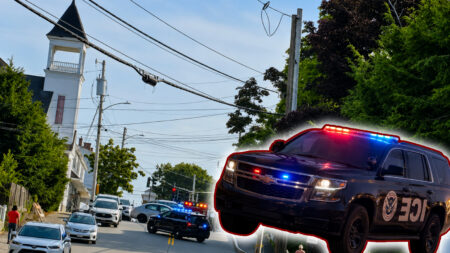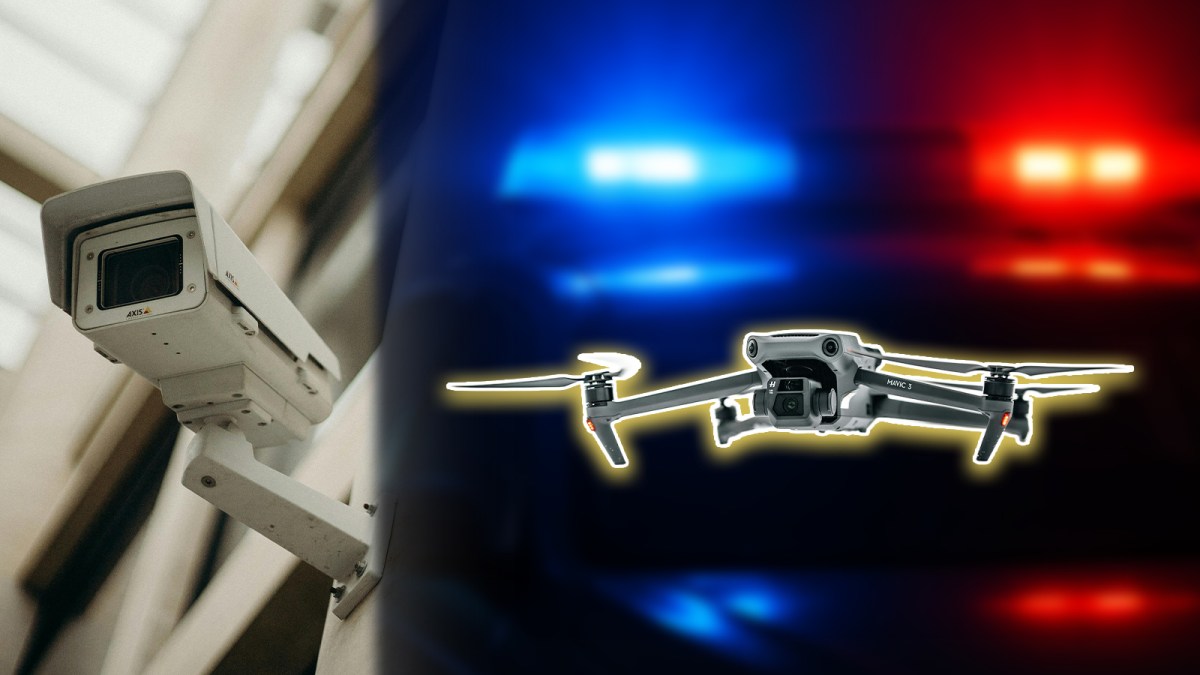
PORTLAND, Maine — After months of political delay, public paranoia, and repeated second-guessing, the Portland City Council on Monday finally approved the Portland Police Department’s request to acquire its first drone, ending a debate that should have been settled long ago. The department plans to purchase the drone from Axon so it can work with its existing body and cruiser camera systems.
https://portlandme.portal.civicclerk.com/event/8376/media
The council rejected the proposal in November 2025 in a 4-3 vote, despite police arguing the drone would be used for basic public-safety functions such as search and rescue, accident reconstruction, and responses involving barricaded suspects. Instead of approving a limited-use tool for emergency response, councilors let surveillance fears dominate the discussion and sent the issue into political limbo.
And this fight did not start in November. Portland officials have been arguing over the police drone issue since at least 2024, when the proposal first drew backlash from activists and skeptical councilors raising “Big Brother” concerns. That means Portland spent well over a year debating whether police should be allowed to use a tightly regulated tool that other departments already use for incident response and scene documentation.
Under Maine law, the council’s approval was never optional. Title 25, section 4501 requires a law enforcement agency to get approval from its governing body before acquiring a drone. The same law also imposes clear guardrails: police generally need a warrant for criminal investigations, cannot use weaponized drones, and cannot use drones to surveil private citizens who are peacefully exercising their rights to free speech and assembly.
In other words, many of the loudest fears raised during the debate were already addressed in state law before Portland’s council ever took up the issue. Maine’s statute explicitly allows drone use for search and rescue and for non-criminal purposes such as aerial photography tied to accident scenes, fires, floods, and storm damage.
Even so, the council still felt the need to add another layer of political reassurance. Councilor Ben Grant added an amendment making clear the drone cannot be used for surveillance, underscoring just how much the debate was driven by distrust rather than the actual operational uses described by police.
What Portland approved this week was not some sweeping expansion of police power. It was a single drone, roughly a $45,000 purchase, for a department that said it wanted the tool for specific emergency and investigative support functions. But in Portland, even a narrowly tailored public-safety measure had to survive a drawn-out gauntlet of ideological objections before common sense finally prevailed.
The end result is simple: after more than a year of arguments, a failed vote, and months of unnecessary delay, Portland police now have council approval to acquire a drone the department says it needs for limited, lawful, and tightly restricted use. The real story is not that the city approved it, it is that it took this long.