

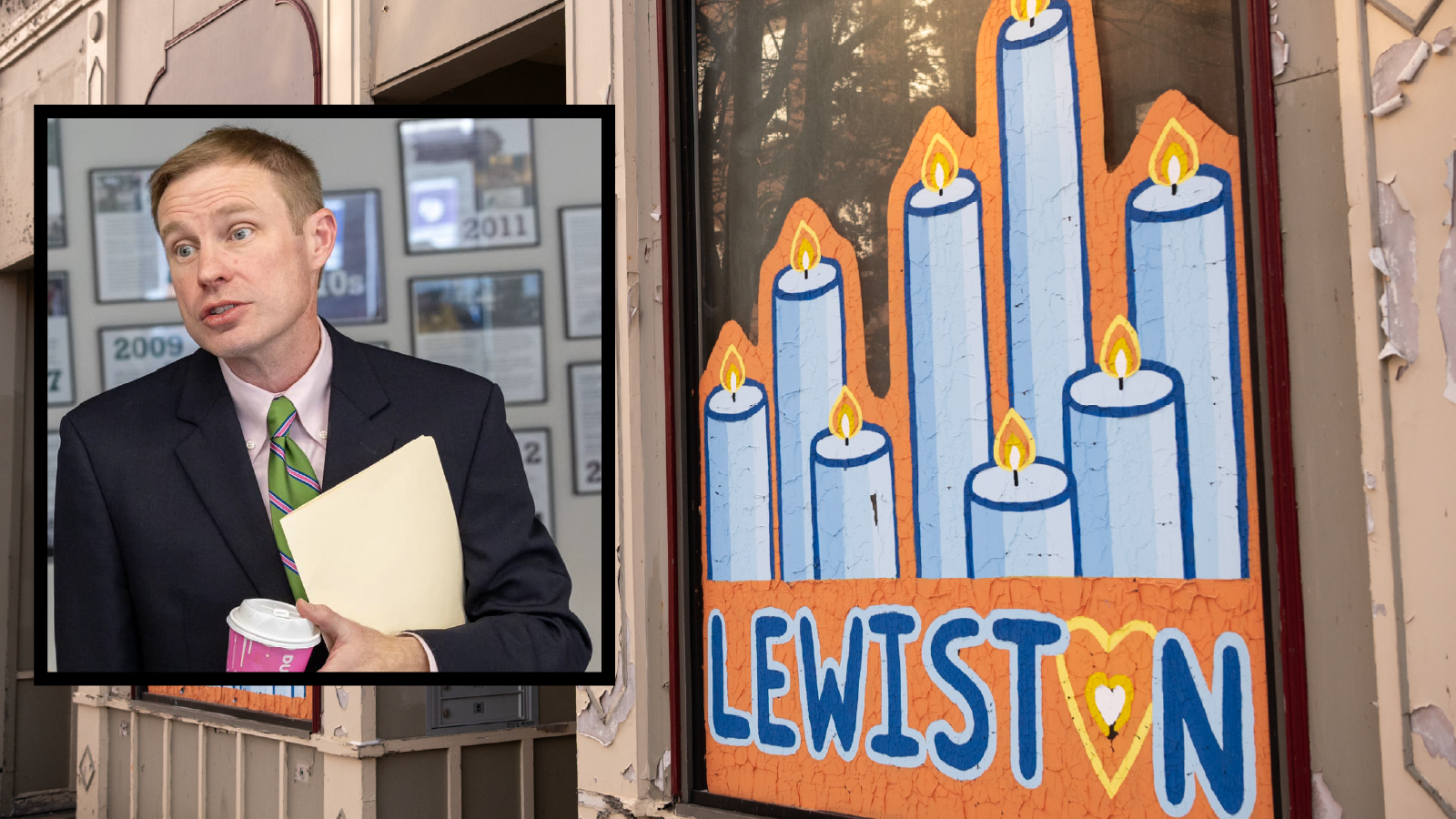
LEWISTON, Maine – The families and survivors of Maine’s deadliest mass shooting are once again being forced to do what Maine’s most powerful institutions have refused to do: fight for the truth.
Fifty-seven survivors and family members affected by the Lewiston mass shooting are now demanding that the Maine Attorney General’s Office reopen and complete its probe into the Maine Community Foundation and its handling of the Lewiston-Auburn Area Response Fund, a fund they say was sold to the public as direct relief for victims, only for a large share of that money to be steered elsewhere.
At the center of that push is Amy Sussman, the aunt of Max Hathaway, who was killed in the Lewiston shooting on the day he received his college diploma. Sussman sent the email to the Attorney General’s Office and has become a leading advocate in the effort to hold those responsible accountable.
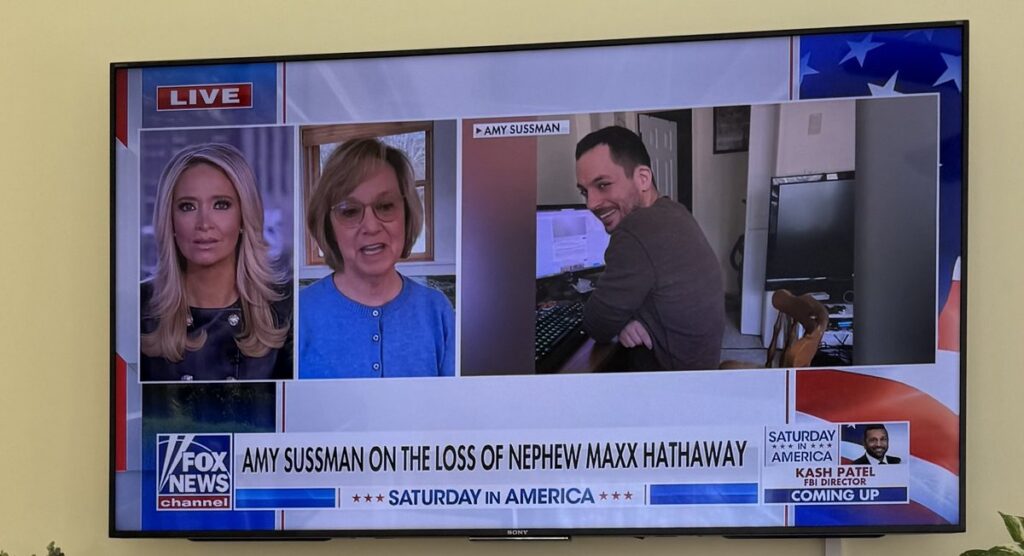
In a statement to The Maine Wire, Sussman said survivors and victims’ families were repeatedly told the fund existed for them, and them alone.
“The survivors and victims’ families were told repeatedly that the Lewiston-Auburn Area Response Fund was 100% for them. They were never told that nonprofits were a part of that fund,” Sussman said. “We are requesting that the Attorney General’s office complete their investigation of the Maine Community Foundation’s handling of this fund with the documents and more facts that appear to have been left out of the original investigation. We are requesting that the Attorney General compel the Maine Community Foundation to honor their word to the survivors and victims’ families. We suspect that each nonprofit receiving over twice what the victims received was not the expectation of anyone giving to that fund. At the very least, the nonprofits should have been required to provide direct assistance to the survivors and victims’ families, but the Maine Community Foundation made no such requirement surrounding the use of their grants.”
That statement goes to the heart of the survivors’ complaint: that the Maine Community Foundation raised money using the grief, pain, and trauma of Lewiston victims, then failed to deliver that money the way families say it was promised.
According to the complaint, $1.9 million should still be redirected to victims and families through VictimsFirst, an organization currently providing direct support to those affected by the massacre.
The families’ allegations are devastating.
They say donors were never clearly told that money given to the Lewiston-Auburn Area Response Fund could be split between direct aid for victims and grants for nonprofit organizations. In some cases, they allege, donors were not even given the opportunity to direct how their money would be used.
That means a fund publicly wrapped in the language of compassion may have operated very differently behind the scenes.
“We were told repeatedly that 100 percent of the Lewiston-Auburn Area Response Fund was going to victims and families,” the group wrote in its email. “Money raised in their names, because of what happened to them, and promised to them… should have gone to them.”
The complaint further alleges that the Maine Community Foundation used one umbrella name for what were effectively two separate funding tracks, blurring the distinction between money intended for direct victim relief and money later handed to nonprofits.
Survivors say that was not transparency. It was misdirection.
“They didn’t know nonprofits would be receiving funds from this pool,” the email states. “Nowhere was it written… nor were they ever told.”
The numbers cited by survivors only add fuel to the outrage. According to their account, the average payout to 162 victims and family members was approximately $29,000, with some survivors receiving as little as $7,000. Nonprofits, by contrast, received grants averaging more than $65,000.
For the people who lived through the horror, lost loved ones, performed CPR, held the hands of the dying, or ran for their lives, that disparity is not just insulting. It is, in their eyes, a moral disgrace.
“These people saved lives, performed CPR, held the hands of people dying, and ran for their lives,” the email states. “How can nonprofits be almost ten times more important than they are?”
The complaint also raises serious conflict-of-interest concerns surrounding the grant-making process. According to the families, six of the ten steering committee members who awarded nonprofit grants were affiliated with groups that received funding, while one committee member’s spouse reportedly led another recipient organization.
If true, that would mean a fund built on public sympathy for victims was partially distributed through a process shaped by insiders with ties to the very groups receiving the money.
The families also claim little meaningful vetting took place, alleging that dozens of nonprofit applications were reviewed in a single one-hour meeting.
That allegation is especially damaging because it suggests the Maine Community Foundation moved more quickly and more carelessly when it came to handing out money to organizations than it did in ensuring the victims themselves were made whole.
One nonprofit, The Root Cellar, has since redirected its grant funds to VictimsFirst for direct aid. Survivors welcomed that step but say it represents only a fraction of the money that should never have been diverted in the first place.
The renewed demand for answers also shines an unforgiving light on Attorney General Aaron Frey’s office, which families clearly believe failed to do a full and honest review the first time around. Survivors are now asking the AG not for another paper shuffle, but for a real investigation, one that considers the documents and facts they say were left out of the original review.
For families still waiting for accountability, the Attorney General’s office has begun to look less like a watchdog and more like another institution shielding the powerful from consequences.
The complaint also challenges statements the Maine Community Foundation previously submitted to the AG’s office, including a reported claim that a survivor was unwilling to engage with the foundation. The families dispute that outright, saying the outreach came from the survivor, not the foundation, and that at least one proposed meeting was canceled by foundation leadership.
Survivors also accuse the foundation of releasing personal information in public documents, including the unredacted email address and phone number of a victim’s widow, another act they say compounded the harm already done.
And then there is the Lewiston City Council, which has increasingly come to represent, in the eyes of many survivors and victims’ advocates, the same institutional indifference that has defined so much of the aftermath. Time and again, survivors have had to push, plead, and demand to be heard by city leaders in the very city where their lives were forever shattered. For many, the council has become another arm of a broken response, heavy on public posture, light on moral courage.
For Sussman and the survivors standing with her, this is no longer merely a debate over nonprofit accounting or bureaucratic process. It is about whether Maine’s political class, its city leadership, and one of its most prominent charitable institutions can make promises to grieving families, break them, and then hide behind process, public relations, and silence.
The families are urging the Attorney General’s Office to reopen the case, review the newly submitted evidence, and compel the Maine Community Foundation to redirect the remaining money to victims and their families.
Because if this is allowed to stand, the lesson will be brutal and clear: in Maine, even after a mass shooting, the dead and the wounded come second, to the institutions, to the insiders, and to the people who always seem to land on their feet while everyone else is left to grieve.
As of now, the Attorney General’s Office has not publicly responded to the request. The Maine Community Foundation has previously maintained that its actions were consistent with established practices and intended to support both victims and broader community recovery efforts.


Aaron Frey is incompetent and uncaring. Good luck!