

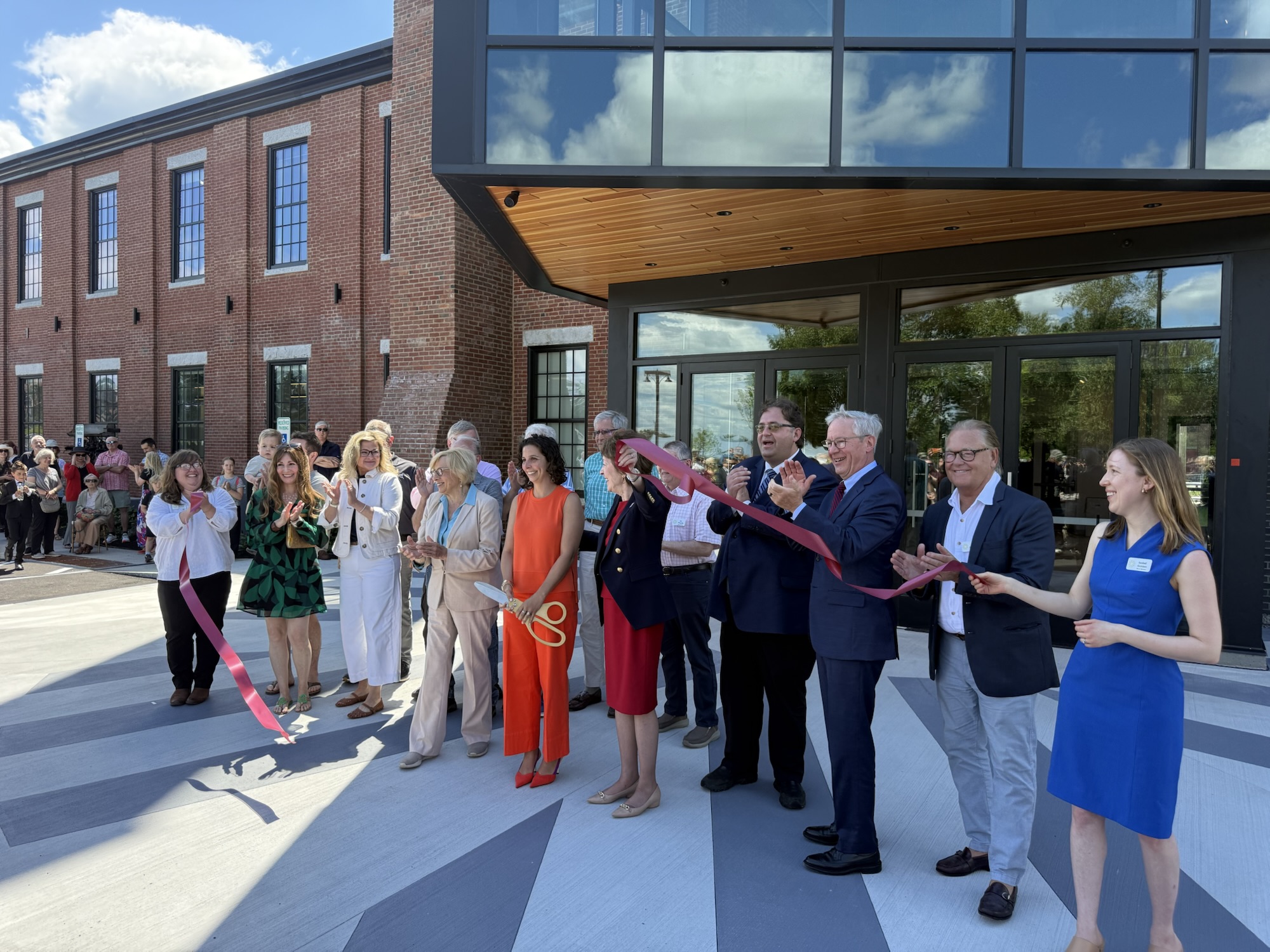
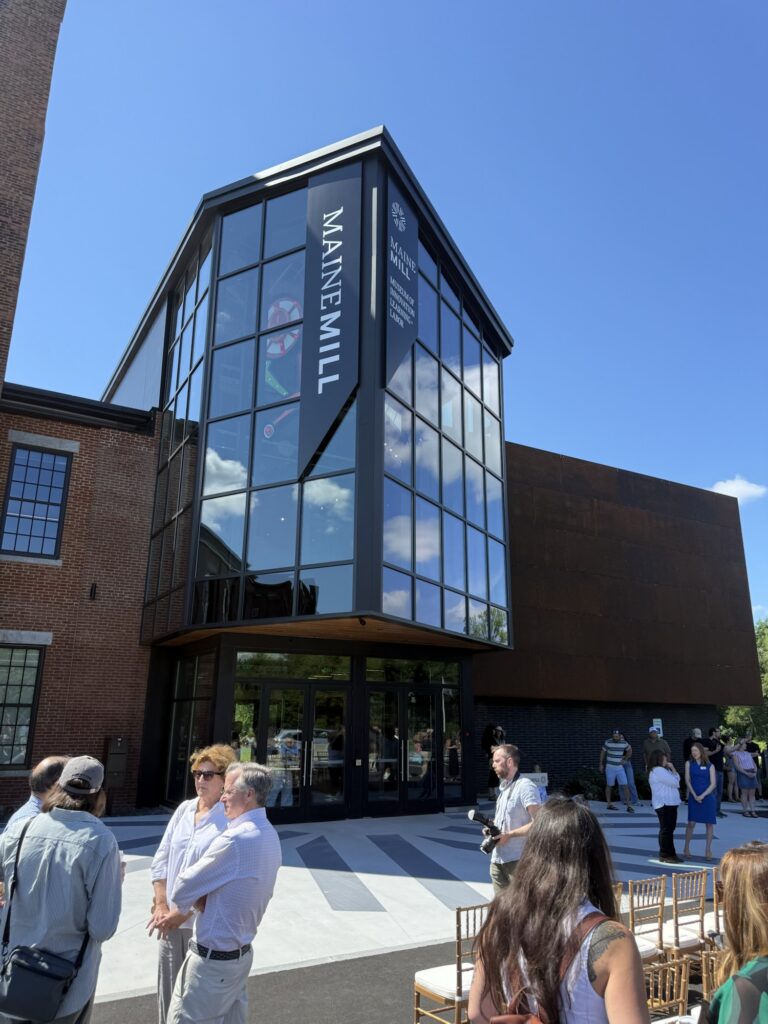
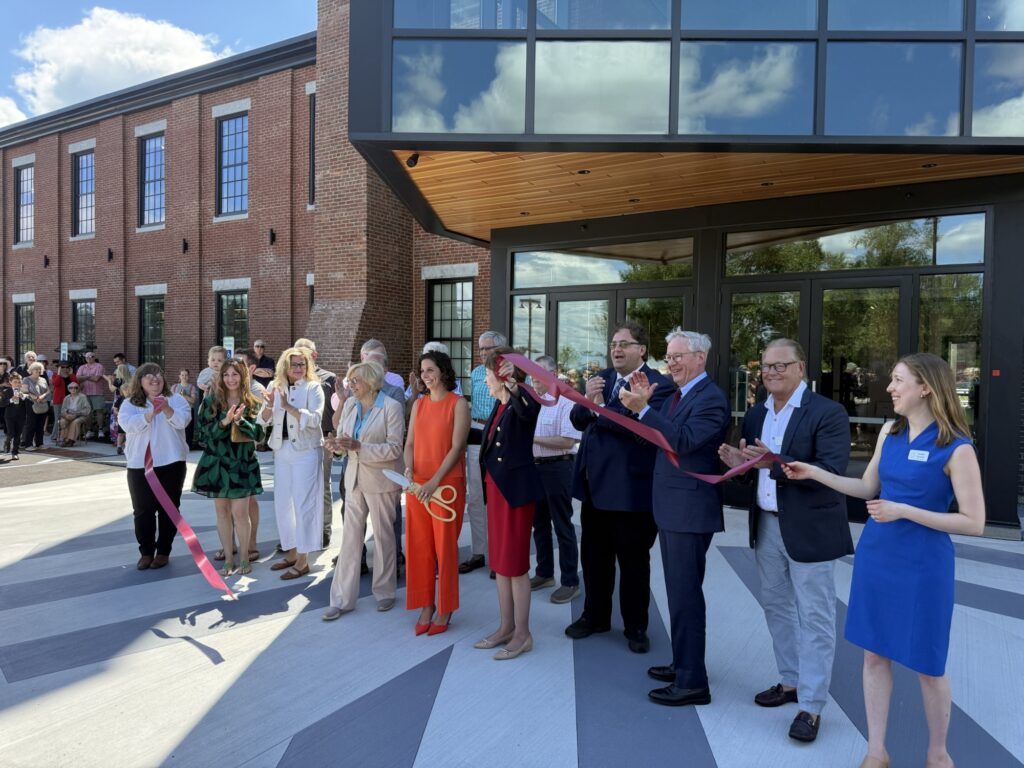
U.S. Sen. Susan Collins (R) joined Gov. Janet Mills (D), Lewiston Mayor Carl Sheline, Auburn Mayor Jeffrey Harmon, and local community leaders Saturday to celebrate the grand opening of the new Maine Museum of Innovation, Learning, and Labor, known as Maine MILL, at the former Camden Yarns Mill along the Androscoggin River.
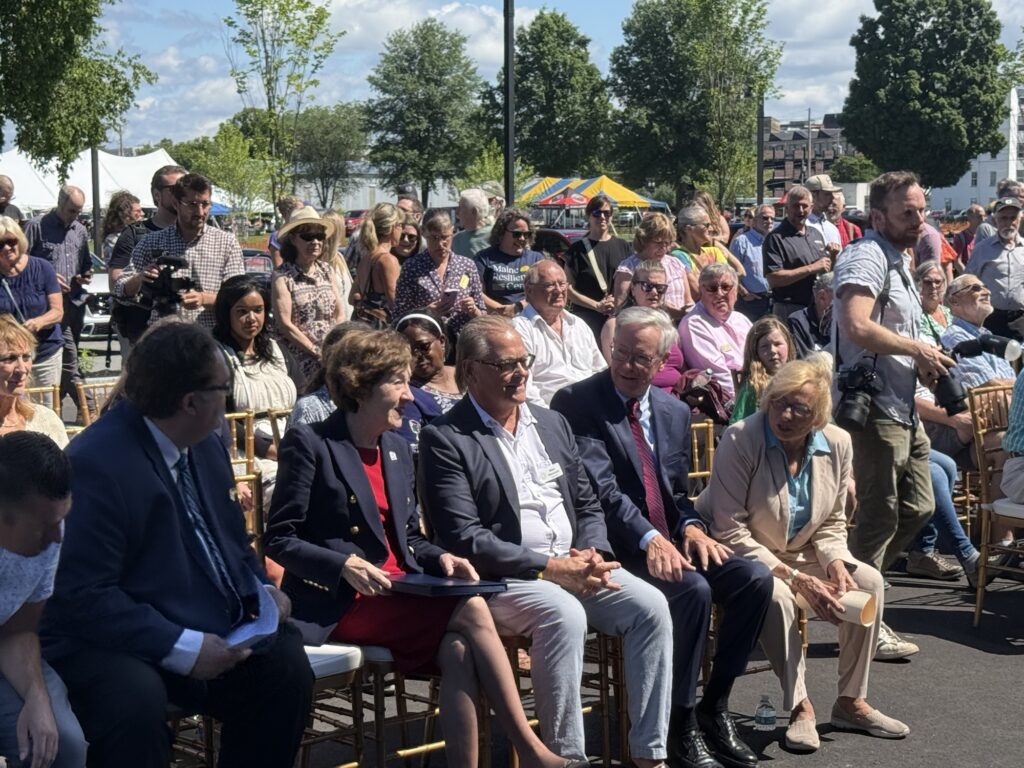
The event also marked Mills’ first public appearance since suspending her campaign for the Democratic nomination for U.S. Senate, a race now led by Graham Platner, who secured the party’s nomination to challenge Collins in November. Mills dropped out of the race on April 30, citing a lack of financial resources to continue competing against Platner, who went on to win the Democratic primary on June 9.
The opening marks a major milestone for a project years in the making and gives the museum a permanent new home inside one of Lewiston’s historic former industrial buildings. The long-vacant mill property has been transformed into a 22,000-square-foot modern museum dedicated to preserving the history of work, innovation, immigration, and industry in Lewiston, Auburn, and across Maine.
Collins was joined at the ceremony by Maine MILL Executive Director Rachel Ferrante and Maine MILL Board Chair Michael Rancourt, along with state and local officials and members of the public.
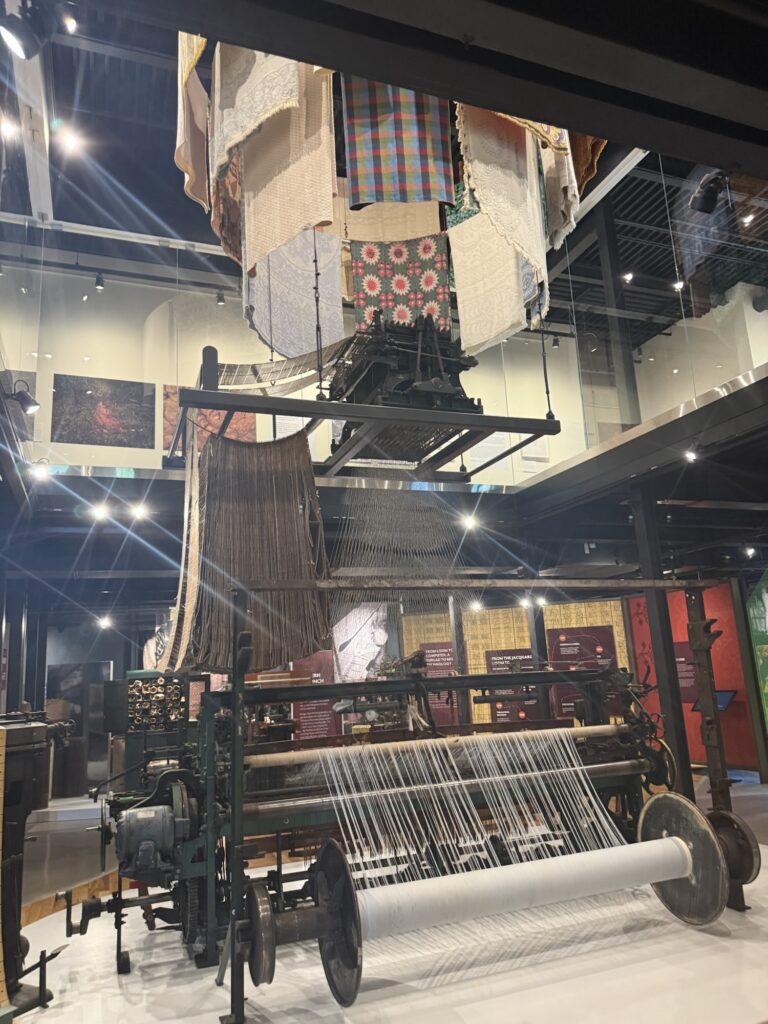
The new museum includes more than 10,000 artifacts tied to the region’s manufacturing history, including a Jacquard loom, original Bates Manufacturing bedspreads, and approximately 300 recorded oral histories from people who lived and worked in the Lewiston-Auburn area.
“The Maine MILL is a museum that tells the story of the men and women who built not just industries, but also communities. Their story of hard work and dedication, of hardship and triumph is the story of Lewiston and Auburn. It is the story of our great State of Maine, and of our nation. It is a story that honors our past and inspires us to meet the challenges of the future,” Collins said during her remarks.
Collins said she worked to secure federal funding for the project because restoring the Camden Yarns Mill does more than preserve history.
“I worked hard to secure funding to advance this project because in addition to preserving the region’s rich history, redeveloping the Camden Yarns Mill into the Maine MILL strengthens ongoing efforts to promote job growth, improve infrastructure, and boost local economies along the Androscoggin River,” Collins said.
Maine MILL was founded in 1996 as Museum L-A, originally focused on preserving the stories of Lewiston-Auburn’s textile mill workers. Over time, the museum expanded its mission to include the shoe and brick industries, which also played a central role in shaping the Twin Cities and the generations of workers who built them.
The museum’s new home at the former Camden Yarns Mill connects that history directly to the place where it happened. For decades, mills along the Androscoggin River powered Lewiston’s industrial economy, drawing workers and immigrant families who helped turn the city into one of Maine’s most important manufacturing centers.
Inside the new museum, visitors will find exhibits focused on textile production, shoemaking, brickmaking, mill labor, immigration, and the workers whose lives formed the backbone of the region’s economy. The collection also highlights the role of the Androscoggin River, the canal system, and the mill buildings that once defined daily life in Lewiston.
The restoration of the Camden Yarns Mill has been supported in part through federal funding secured by Collins through her work on the Senate Appropriations Committee.
In 2010, Collins helped secure $600,000 to begin restoration work at the Camden Yarns Mill. Earlier this year, as Chair of the Senate Appropriations Committee, Collins secured an additional $3 million to help complete the restoration. That funding was part of $12 million she secured this fiscal year to revitalize former mill sites in East Millinocket, Lincoln, and Lewiston.
The grand opening of Maine MILL brings new life to a long-vacant industrial building and adds another anchor to Lewiston’s ongoing riverfront redevelopment efforts.
For Lewiston and Auburn, the museum is more than a collection of artifacts. It is a public record of the workers, families, industries, and communities that built the region and a reminder that Maine’s industrial past remains central to its future.


Mohammed and Abdul Jr . are counting all those fancy windows and taking bets who can shoot out the most windows in one drive by .
“Those jobs are gone, and they ain’t coming back” Instead the people of Maine have an old building likely paying no taxes but maintained by the taxes of the people who live in Maine. There will also be some non producing people whose wages will be paid by the tax payers. All of this in the second largest city in Maine, a place many are afraid to visit.
Portland Press Herald broke this story days ago.
This rag tried to claim a win over it.
It’s right here.
“The Maine Wire Marks America’s 250th Birthday By Doubling Its Facebook Followers Over Portland Press Herald”
Maine Wire deleted my comment in that thread. Of course. America and Maine Wire the weak.
Democrats murdered Maine.
Hey “Bad Teeth”, Louise lost more brain cells brushing her teeth this morning than you have ever had. And I do mean both your brain cells and teeth. Go take your TDS medicine and do something useful today.
We’ve got your back real Louisewood!
Looks a fantastic museum and it is good to remember the incredibly hard working people (including immigrants) who did make Maine a strong state and great place to live. Up until the New Mainer era.
The name is sadly, a joke that wrote itself and a reflection on the state of this state, today. The clowns in the opening ceremony group (Collins excepted), looking so pleased with themselves, will be reviled in history.
Millions for remembering Maine’s industry while spending zero dollars to help make some actual industry that might produce some jobs.
That’s Suzy for ya!
Reply to his post
Handy N Handsome Millions for remembering Maine’s industry while spending zero dollars to help make some actual industry that might produce some jobs.
That’s Suzy for ya!
“Suzy” has nothing to do with business coming here although more would if the state didn’t push utility rates up with our “green scam / unicorn fart agenda, extra taxes on business earning with the “millionaires tax”. The NIMBY position by local governments, and eliminating trade school financial assistance and apprenticeship tax incentives. Not “Suzy’s” fault but the state and local government and schools.