WASHINGTON – The situation in the Middle East escalated sharply this week after the military conflict between Israel and Iran shattered a fragile April ceasefire, pulling President Donald Trump into tense, high-stakes diplomatic maneuvering as the region appeared to move closer to a broader war.
The latest round of violence began when Iran’s Islamic Revolutionary Guard Corps launched multiple waves of ballistic missiles targeting northern Israel. Tehran cited recent Israeli airstrikes in Beirut, Lebanon, as the catalyst for the attack.
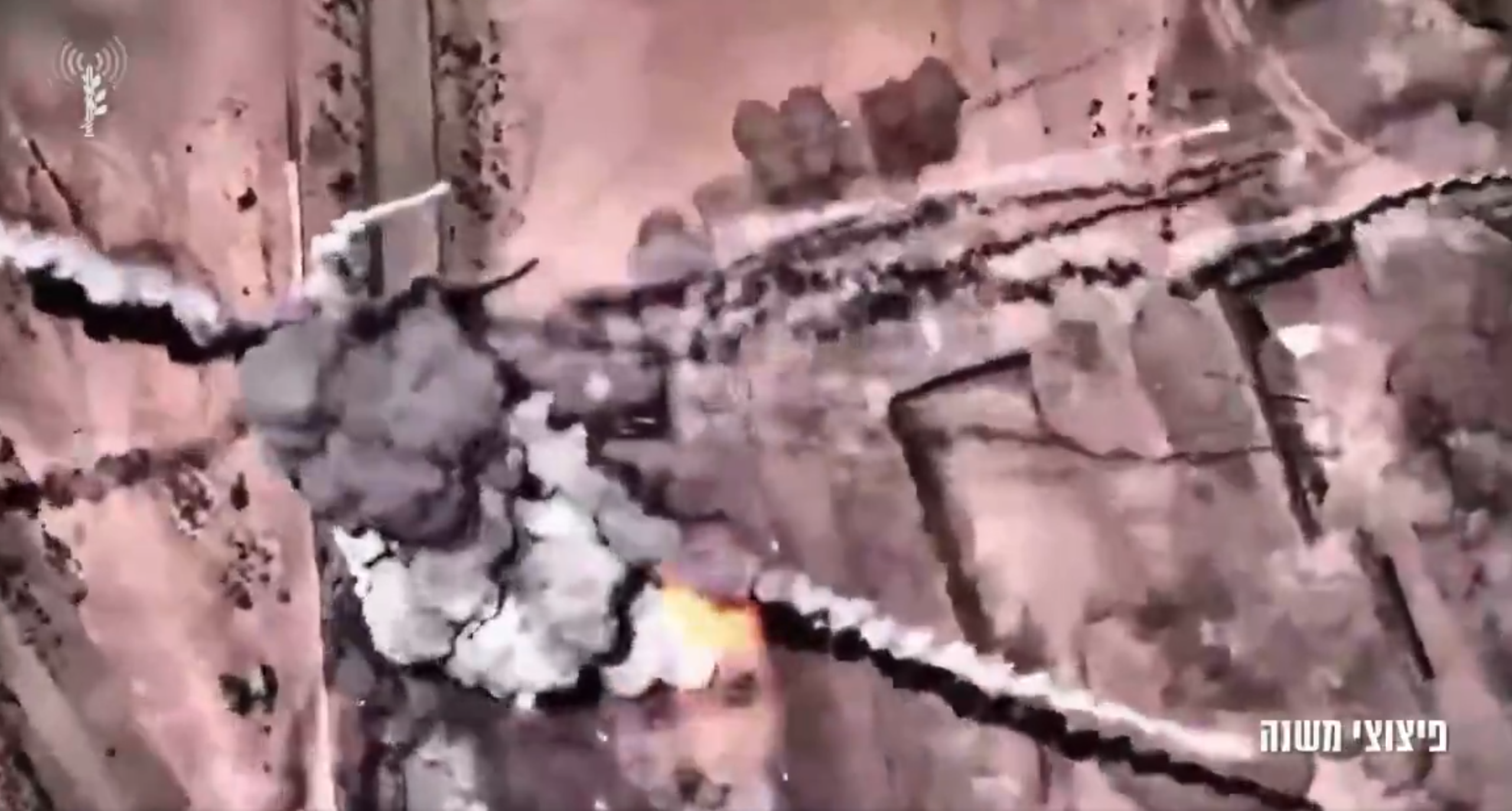
Israel’s air defense systems intercepted the majority of the incoming missiles, limiting the immediate impact of the barrage. But despite public appeals from Washington urging restraint, the Israeli military moved ahead with retaliatory strikes on military targets in central and western Iran.
The decision placed Trump in the middle of a volatile diplomatic and military standoff as his administration attempts to salvage negotiations and bring the parties back toward a final agreement.
Trump has placed heavy emphasis on reaching a negotiated settlement, asserting that a final diplomatic agreement is close to being finalized. In a direct phone call, Trump explicitly told Israeli Prime Minister Benjamin Netanyahu to hold off on a retaliatory strike, arguing publicly that because the initial Iranian missiles “didn’t hurt anybody,” further military action would only risk blowing up ongoing peace talks.
Trump also delivered a pointed warning to Netanyahu in an interview with The Financial Times, saying the Israeli prime minister “won’t have any choice” but to accept an eventual deal.
“I call all the shots. He doesn’t call the shots,” Trump said.
At the same time, Trump sent a direct message to Tehran. Speaking to Fox News, he told Iranian leaders, “You’ve shot your missiles, that’s enough,” while urging Iranian negotiators to immediately return to the table and finalize terms.
Despite the chaos, the Trump administration has continued to push a stricter nuclear framework. According to the information provided, the administration circulated a draft framework through the International Atomic Energy Agency demanding that any permanent deal fully dismantle Iran’s nuclear program and remove all enriched uranium from Iranian territory.
The negotiations, however, remain under severe strain. A regional diplomat said talks have recently regressed because of deep divisions over several critical issues, including frozen financial assets, the Strait of Hormuz, and nuclear verification.
Trump said on NBC’s Meet the Press that he will not unfreeze billions of dollars in Iranian assets until a lasting ceasefire agreement is formally signed, rejecting Iranian demands for upfront relief.
Disagreements also remain intense over the sequencing for reopening the Strait of Hormuz, the critical shipping lane that remains central to the regional and global economic stakes of the conflict.
Meanwhile, stricter U.S. parameters surrounding uranium accountancy and nuclear verification have slowed diplomatic momentum, further complicating efforts to bring Iran back to the negotiating table.
For now, the April ceasefire appears badly damaged, the Israeli-Iranian military exchange has reignited fears of a wider regional conflict, and Trump is attempting to force both sides toward a deal before the conflict spirals beyond diplomacy.