

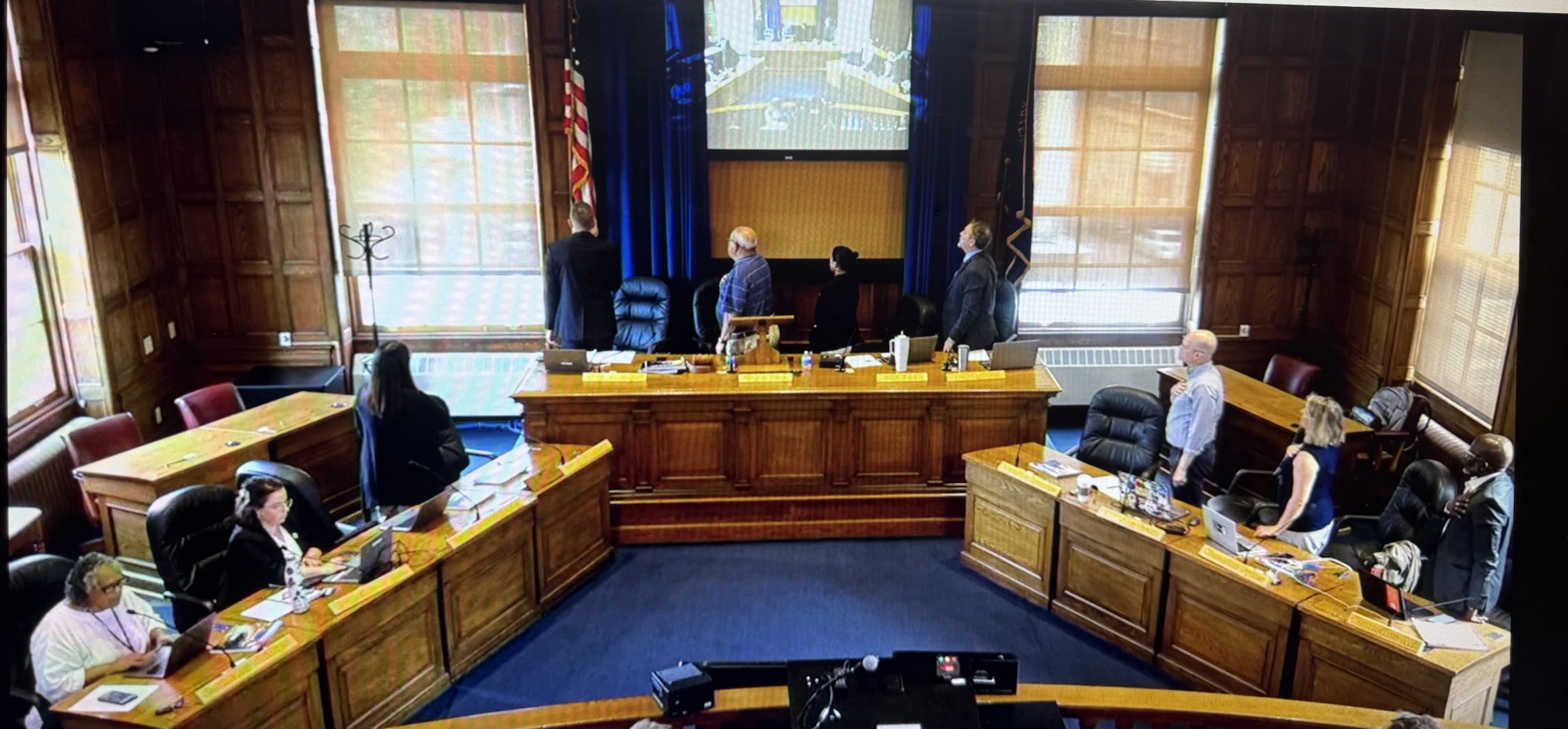
The Portland City Council voted 7-2 on Monday night to reject a proposed Payment In Lieu of Taxes (PILOT) program that supporters argued could have helped ease the city’s growing property tax burden by seeking voluntary contributions from some of Portland’s largest tax-exempt institutions.
The proposal would have established a formal framework for requesting payments from major nonprofit organizations, hospitals, colleges, and other tax-exempt property owners that benefit from city services but do not pay property taxes on their properties.
The debate comes as Portland continues to grapple with rising municipal costs, increasing demands on city services, and a growing inventory of tax-exempt property. According to city officials, Portland has nearly $4 billion in tax-exempt property, removing a significant portion of the city’s real estate from the property tax rolls.
https://portlandme.portal.civicclerk.com/event/9542/media
Supporters of the PILOT program argued that the city’s taxpayers are increasingly being asked to shoulder the financial burden of services that benefit all property owners, including large nonprofit institutions.
“We have a growing tax-exempt base, and we have services that we need to provide as a city that we do not have the resources to do,” Councilor Kate Sykes said during the discussion.
The proposed program was modeled after similar initiatives adopted in other large cities. Under the framework, the city would have requested voluntary payments from larger tax-exempt organizations to help offset the costs of public services such as police protection, fire response, road maintenance, and other municipal functions.
The Finance Committee’s recommended draft included an exemption for the first $10 million of assessed property value, shielding smaller nonprofit organizations from the program. Larger institutions would have been asked to contribute roughly 40 percent of what their property tax bill would have been if the property were taxable.
Despite assurances that participation would remain voluntary, opposition to the proposal was widespread.
Every speaker who addressed the council during public comment opposed the measure, with many representing nonprofit organizations and tax-exempt institutions operating within the city.

Jennifer Hutchins, executive director of the Maine Association of Nonprofits, argued that nonprofit organizations already provide substantial benefits to Portland residents.
“Portland’s nonprofits provide essential services and valuable benefits that for-profits and government do not,” Hutchins told councilors.
Business leaders also questioned whether the proposal addressed the city’s long-term financial challenges.
“Portland’s long-term fiscal stability will come from expanding the tax base through housing production, business growth, and economic development while strengthening partnerships with nonprofits,” said Thomas O’Boyle, director of advocacy for the Portland Regional Chamber of Commerce.
Mayor Mark Dion expressed skepticism that the proposal would produce meaningful results and said he preferred a collaborative approach with the city’s nonprofit institutions.
“For all the silo efforts, the exemptions, the cutaways, and the carve outs we get so little, it’s almost offensive to my sense of what collaboration looks like,” Dion said.
The defeat of the proposal leaves city officials searching for alternative ways to fund the rising costs of municipal services without placing additional pressure on taxpayers. The debate also highlights a growing tension facing many communities across the country as local governments attempt to balance expanding budgets against increasing amounts of tax-exempt property.
For now, Portland’s largest nonprofit institutions will continue operating without a formal PILOT agreement, while homeowners and businesses remain responsible for carrying the vast majority of the city’s property tax burden.
The issue is expected to remain part of the broader discussion surrounding Portland’s fiscal future as city leaders confront rising service costs, housing challenges, and taxpayer concerns over continued property tax increases.




It’s increasingly difficult to be too critical of my hometown, but it’s becoming a S**THOLE run by incompetent Leftists who couldn’t operate a legitimate business if their lives depended on it.
Of course this did not pass. These NGO’s are already paying the politicians election campaigns. You wash my back, and I’ll wash yours is in full effect.
Just deduct the property from the taxpayer funds they receive, in other words give them less confiscated money/taxpayer money, a simple fix.
“We have a growing tax-exempt base” This is the problem!
Free things—Every person wants them, But not all get them!
Statewide, people with a brain should avoid doing any business in Portland. Banks, insurance companies, restaurants an bars. ANY business. If you live there, move out. Allow it to become a ghost town, that is the one and only answer to stop this lunacy of leftist reign.
The “Maine Association of Non Profits”….
All of CumberlandCounty should be ONE CITY/COUNTY! But this will never happen as too many superfluous employees would be let go and the “Democrats” believe everyone should be a government employee. Corporations and successful people cause all Maine’s problems.