

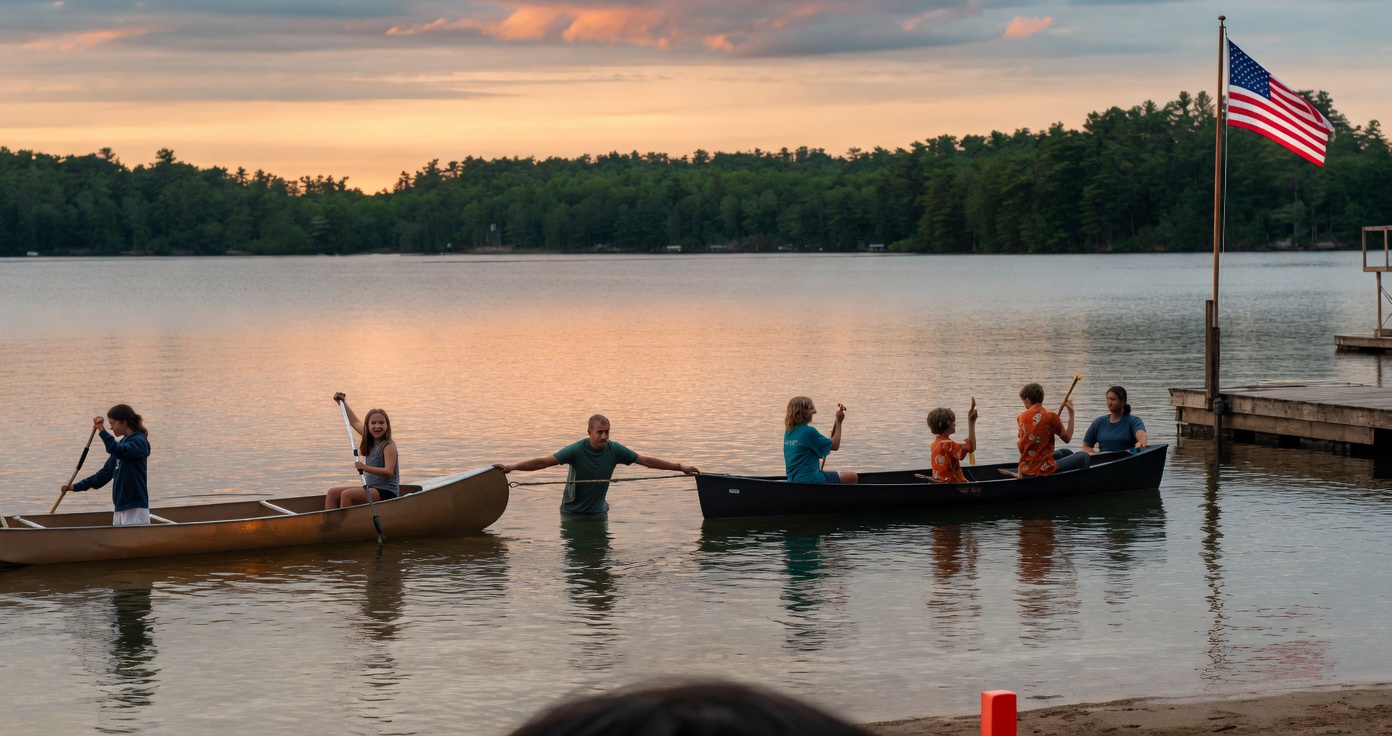
A half-dozen children’s camps across Maine are among 30 such facilities caught up in a massive northeast bankruptcy filing.
Simad Holdings, which runs 22 overnight camps and eight day camps, sought court protection Thursday, listing more than $500 million in liabilities on its Chapter 11 petition.
Simad shareholders Michael and David Shabsels also filed personal bankruptcy, according to Bloomberg News.
The combined camps were appraised last year at nearly $500 million, according to a valuation report.
Roughly 19,900 campers passed through Simad properties last year, Bloomberg said.
The company’s properties in Maine include:
√ Indian Acres Camp and Forest Acres Camp, Fryeburg
√ Camp Med-o-Lark, Washington
√ New England Golf & Tennis Summer Camp, Belgrade
√ Camp North Star, Poland
√ Camp Wekeela, Hartford
The effect of the bankruptcy on this summer’s camp enrollments was unclear at press time. The Maine Wire has reached out to Simad’s lawyers for clarification.
The Shabsels brothers defaulted on payments to Israeli bondholders and transferred $34 million to companies they control, according to TheRealDeal.com.
The brothers six months ago turned to the Israeli bond market to finance their sprawling business, Simad Holdings, which is based in the British Virgin Islands.
Simad late last month notified the Tel Aviv Stock Exchange about a problem – it had missed its payment to bondholders and disclosed the $34 million transfer to the Shabsels brothers’ companies, according to Israeli business publication Globes and filings on the stock exchange.
Simad claimed the transfer was inadvertent, Keith Larsen of TheRealDeal reports.
“Simad’s audit committee asked the Shabsels to return the money,” Larsen writes. “They agreed, but days later Michael Shabsels said they were unable to do so.”
Typically, when corporations miss payments to their bondholder on secured debt, the bondholders can attempt to seize the properties, Larsen says.
Simad also disclosed on the Israeli bond market that the Shabselses took out financial obligations which were “secured on the assets and cash flows of the company’s subsidiaries,” according to Globes.
“In other words, the Shabselses possibly took out loans and double pledged assets, leading to questions about whether the bondholders can seize assets,” Larsen adds.




So the face of “small business“ is a Virgin Islands holding company financed by Israeli bondholders. My suspicion is it this is more true of the Maine tourism business than people realize.
The end of quintessential summer traditions in Maine . The historic summer camps for kids .
Now destined to be chopped up into postage stamp sized lots , more waterside septic systems , more boat traffic , more of everything to end the tranquility of summer on the lake . Sad .
Can they grow illegal cannabis if the Democratic Party gets some viggorish.
Ain’t tourism great?
All those paper mill and woods workers that have been sent home are now surviving on their great big steaming plate of Natural Resources Council of Maine approved “quality of place”.
Looks like the “majic carpet ride” ran out of free air.
Perhaps, they will “return” to usury for the end result they seek.
Suggested reading: The Book of Matthew. Just keep reading/seeking, you will find it.(eventually) Unlike the false prophets/priests and politicians….that’s a PROMISE.