A USA Today opinion column comparing the rhetoric surrounding WNBA star Caitlin Clark to the circumstances surrounding the 1955 lynching of Emmett Till has ignited a firestorm of criticism, prompting the newspaper to revise the article and its author to publicly acknowledge shortcomings in her argument.
The controversy has fueled renewed scrutiny of sports media’s coverage of Clark, whose meteoric rise has transformed women’s basketball while also making her one of the most polarizing figures in American sports.
A Superstar Who Changed Women’s Basketball
Since entering the WNBA as the No. 1 overall draft pick, Caitlin Clark has become the league’s biggest attraction. The former University of Iowa standout shattered NCAA scoring records, routinely sold out arenas, drove record television ratings, and attracted millions of new fans to women’s basketball.
Clark’s popularity has also intensified debates surrounding race, media coverage, officiating, and the physical treatment she receives on the court. Hard fouls, heated rivalries, and online disputes have become recurring storylines throughout her professional career, placing nearly every discussion involving Clark under a national microscope.
The Column That Sparked the Controversy
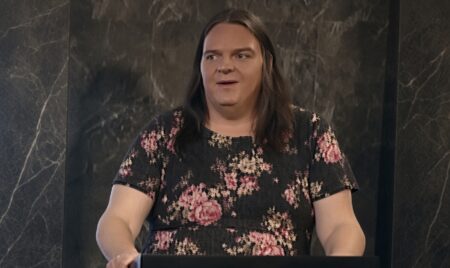
The latest controversy erupted after USA Today sports columnist Nancy Armour published an opinion piece discussing the increasingly hostile online discourse surrounding Clark and the WNBA.
In the column, Armour referenced the 1955 murder of 14-year-old Emmett Till, arguing that historical narratives portraying white women as victims have, at times, been used to inflame racial tensions and endanger Black individuals. She suggested that some of the rhetoric surrounding Clark and her interactions with Black WNBA players reflected similar dynamics.
The comparison immediately drew widespread criticism across the political spectrum.
Critics argued that equating modern sports debates with one of the most horrific racist murders in American history trivialized Till’s murder while unfairly casting Clark and many of her supporters into a historical narrative that had little connection to the events unfolding in today’s WNBA.
Many commentators described the analogy as inflammatory, unnecessary, and an example of media outlets escalating cultural conflicts instead of reporting on basketball.
USA Today Revises the Story
As criticism mounted, USA Today updated the opinion piece, stating that it had been revised for clarity.
Armour later acknowledged that her comparison lacked sufficient context and conceded that it distracted from the broader point she was attempting to make about online harassment and player safety. However, she stood by her central argument that inflammatory rhetoric surrounding Clark has contributed to a toxic environment affecting players across the league.
The revisions did little to calm critics, many of whom argued the comparison should never have been published in the first place.
Fallout for USA Today
The controversy quickly spread beyond sports media.
Social media users, journalists, commentators, and fans accused USA Today of allowing an opinion piece to cross the line from commentary into sensationalism. Critics questioned the newspaper’s editorial review process and argued the publication had damaged its credibility by invoking one of America’s darkest racial tragedies in a debate over professional basketball.
While USA Today did not remove the column, its decision to revise the article and the author’s subsequent clarification underscored the intensity of the backlash.
The episode has also reignited broader debates over opinion journalism, editorial standards, and whether legacy news organizations have become too willing to inject divisive political narratives into sports coverage.
Caitlin Clark Remains the Center of the Storm
Despite the controversy, Clark herself has largely avoided engaging in the political and cultural battles surrounding her.
Instead, she has consistently emphasized basketball, praised her teammates and opponents, and condemned harassment directed at players across the league.
Yet her unprecedented popularity continues to place her at the center of conversations extending far beyond the court.
For supporters, Clark represents the athlete who elevated women’s basketball to unprecedented commercial success. For critics, she has become a focal point in broader debates about race, media, and culture.
The USA Today controversy illustrates how coverage of Clark increasingly transcends sports, with editorial decisions now drawing as much attention as the games themselves.