
Five of the Republican candidates vying for the nomination in next June’s primary to carry the party’s mantle in the 2026 race for governor shared the dais at the Dunegrass Golf & Country Club in Old Orchard Beach on Tuesday evening, the same venue that hosted the slain conservative commentator Charlie Kirk during his visit to Maine early last month.
Real estate developer David Jones, State Sen. Jim Libby (R-Cumberland), entrepreneur Owen McCarthy, former fitness chain leader Ben Midgely and former South Paris selectman Robert Wessels all participated in the second such forum to be moderated by WLOB 100.5 talk show host Ray Richardson and sponsored by Common Sense for Maine, a political action committee.
Absent was candidate Robert “Bobby” Charles, a former assistant secretary of State, who was at Maine’s northern border observing protection and illegal alien interception efforts there by authorities.
After Common Sense for Maine founder Dov Sacks introduced the debate and offered a moving tribute to Kirk, Richardson posed a series of issue-oriented questions for each of the candidates to address ranging from the state’s economy, tax and budget questions, whether Maine should de facto become a “sanctuary state” for illegal aliens, energy, education, what to do about the broken child protective services agency, health care and abortion.
The Maine Wire live-streamed the debate and a video of it can be seen here:
Highlights included a heated exchange between Libby and Wessels, who implied the six-term legislator was soft in his pro-life stance. Other candidates, like Midgely, pointed out the realities of Maine’s political climate and the need for a governor who would “put guard-rails around” this issue.
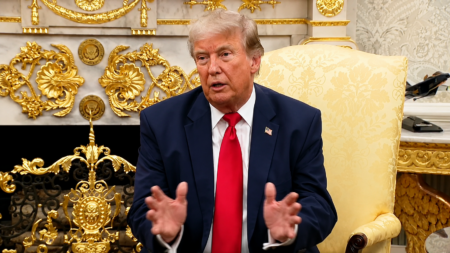
Jones drew applause when he pledged, as he had in the last debate, to create a DOGE-like entity to comprehensively audit Maine’s state spending with an eye on cutting out waste, fraud and abuse. The developer also likened himself to President Donald Trump on several occasions.
Both businessmen, McCarthy and Midgely demonstrated strong commands of policy questions and pointed to the benefit of their being outsiders to the political process.
On many questions, the candidates all agreed. These included the embrace of nuclear energy as a way of overcoming the state’s current supply and rate crisis, vetoing LD 1971 – which prevents state and local law enforcement from cooperating with ICE, and overriding the referendum process on certain questions.