


PORTLAND, Maine – After a bruising week filled with controversy and growing scrutiny, Democratic U.S. Senate candidate Graham Platner appeared in Portland over Memorial Day weekend for a campaign rally alongside Bernie Sanders and Democratic gubernatorial candidate Troy Jackson.
The event, billed as a major show of progressive momentum in Maine, often felt less like a rally for Platner and more like a traveling Bernie Sanders event, with Sanders dominating the crowd’s attention, applause, and messaging throughout much of the gathering.
The rally came at a difficult moment for Platner’s campaign. In recent days, the Democratic candidate has faced backlash over reports involving alleged inappropriate porta potty behavior, as well as criticism surrounding comments viewed as disrespectful toward a Purple Heart recipient. Those controversies have generated significant online discussion and criticism from political opponents and voters alike.
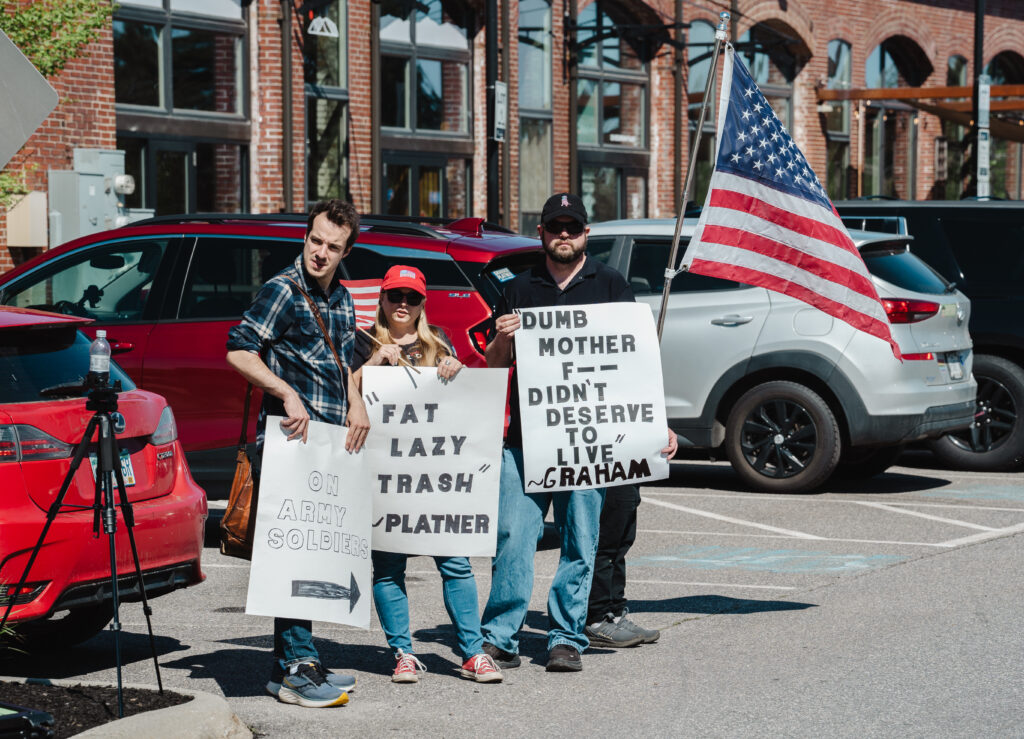
Despite the mounting criticism, Platner did not directly address either controversy during his remarks. Instead, he attempted to pivot toward a broader populist message focused on economic inequality, corporate power, unions, and progressive activism.
“We have built a movement,” Platner told supporters. “But that is not a testament to one man. That is a testament to this country, to this state, and to all of you.”
Throughout his speech, Platner repeatedly portrayed Maine as a state under economic and political assault from corporations, billionaires, and establishment politicians. He described hearing from seniors worried about rising costs, students burdened by debt, fishermen concerned about tariffs and the economy, and families struggling to afford homes and health care.
Platner framed the campaign as a movement “of Maine, by Maine, and for Maine,” while also embracing rhetoric closely aligned with Sanders’ national progressive movement.
The rhetoric throughout the event reflected the increasingly progressive direction of Maine Democrats aligned with Sanders-style politics. Both Platner and Sanders repeatedly attacked corporations, billionaires, health insurance companies, and wealthy political donors, while advocating for expanded government programs, stronger unions, and greater federal involvement in health care and the economy.
At one point, Platner directly attacked Susan Collins, accusing her and other establishment politicians of serving wealthy elites while ordinary Mainers struggle with inflation, housing costs, and economic uncertainty.
“It is a lie intended to serve the billionaire class,” Platner said while criticizing what he described as a system benefiting corporations and the wealthy over working Americans.
Sanders later took the stage to loud applause and delivered many of the same themes that have defined his political career for decades. The Vermont senator spoke at length about wealth inequality, health care costs, union power, and what he described as the struggles facing working-class Americans.
“The very richest people in this country have never had it so good,” Sanders said, while arguing that millions of Americans are living paycheck to paycheck and struggling to afford food, rent, health care, and education.
Sanders also praised Platner and Jackson, telling the crowd that electing progressive candidates in Maine could help “transform America.”
The Vermont senator framed the rally as part of a broader national political movement, claiming that hundreds of thousands of Americans across the country are rejecting what he described as authoritarianism, corporate greed, and attacks on the working class.
Jackson, who is seeking the Democratic nomination for governor, also tied his campaign to the same populist economic message promoted by Sanders and Platner. The longtime labor-backed politician has increasingly aligned himself with the progressive wing of the Democratic Party as he attempts to energize left-wing voters ahead of the 2026 election cycle.
The Portland rally highlighted the growing influence Sanders continues to have within Maine Democratic politics, particularly among younger progressive activists and labor-aligned voters. But it also reinforced how closely Platner has tied his campaign to Sanders’ brand of national progressive politics at a time when voters are increasingly focused on affordability, public safety, and quality-of-life concerns closer to home.
While supporters inside the rally cheered calls for a “political revolution,” critics argue the event reflected a Democratic Party increasingly focused on ideological messaging rather than practical solutions for inflation, crime, housing shortages, and rising costs across Maine communities.
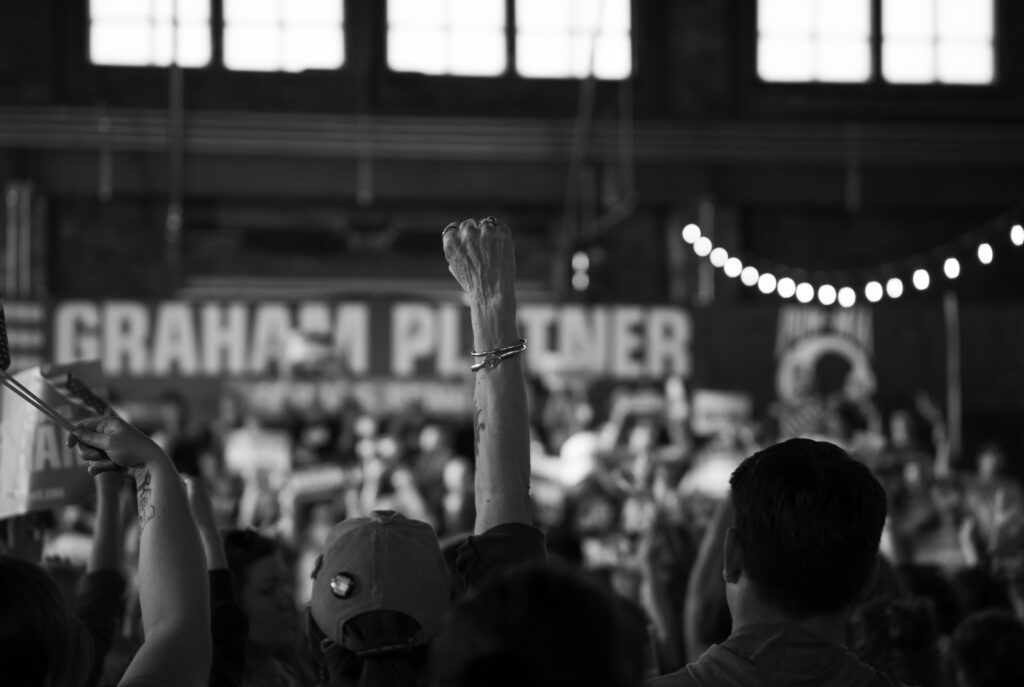
For Platner, the rally offered a chance to stand beside one of the country’s most recognizable progressive political figures during a turbulent week for his campaign. Yet despite the large crowd and energized atmosphere, the controversies surrounding Platner remained largely unaddressed — lingering in the background of an event that often appeared centered more around Sanders’ movement than Platner’s candidacy itself.




This Planter character couldn’t find his own arse with a compass 🐕 bloodhound.
Senator Sanders was undercut by the DNC/Hillary Clinton/Schultz in 2016 and the DNC/Organized Crime and Labor Organizers in 2020 to allow President Biden’s presidency and to seat Marty Walsh as Secretary of Labor. MARTY WALSH…..
Does Senator Sanders have short term memory loss? These people are against “corruption” and Oligarchy?
“increasingly focused on ideological messaging rather than practical solutions for inflation, crime, housing shortages, and rising costs across Maine communities.”
You are expecting the people who caused the problems to fix the problems?
The only common thread amongst all those attending that rally is not a plan or a path or a vision. It’s “We hate Trump”.
K.O.
“The only common thread amongst all those attending that rally is not a plan or a path or a vision. It’s “We hate Trump”.
Correction “we hate the USA.”
Maine is a state under economical and political assault from Democrats .
THAT …….is the whole truth and nothing but the truth …..in eleven words or less .
Keep it simple .
Group of stools.