

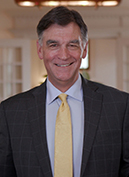
The decision by the top official of Maine’s community colleges to step down as a new governor takes office is a rare window into who is really running that educational system.
In announcing last week he was quitting, David Daigler emphasized that “we have new state leadership coming in.”
Daigler may be foretelling what he thinks could well happen in November’s gubernatorial election – a Republican victory?
After all, his suddenly-ending eight-year tenure will have been in its entirety coterminous with a Democrat governor who can’t run for re-election…
As the top college executive, Daigler at first blush answers to the system’s board of trustees.
But in reality it’s the governor who runs the state’s community colleges, no matter what the trustees claim at their Prouts Neck cocktail parties.
In making his resignation effective a year from now Daigler is subliminally acknowledging a political reality that his predecessor once-removed no pun intended learned the hard way.
John Fitzsimmons, the longest-serving community college system president in the country, had led the state colleges for 25 years when, in 2015, he crossed swords with GOP Gov. Paul LePage.
LePage had just been re-elected to a second term so he had certainly established his political chits by then.
Fitzsimmons had publicly complained that LePage underfunded the colleges.
LePage, claiming Fitzsimmons was outdated and had overstayed his welcome, called on him to resign, an urging Fitzsimmons ignored with the trustees’ blessings.
But within 24 hours Fitzsimmons was gone, having bowed along with his bosses to the political pressure from the state’s chief executive officer to vacate his position.
The effective result was the governor showed who was running this state – and it wasn’t the college trustees no matter what they wanted to think.
Fitzsimmons was succeeded by Derek Langhauser, who stepped down in 2019 – the first year of a newly elected governor, Janet Mills, making way for Daigler.
In signaling now, before the next election as the term-limited Mills retires, that he’s handing over the reins, Daigler presupposes the political realities of the sheer power of a state’s governor.
Effectively, the next college system president will be in synch politically with whoever is elected governor in the upcoming election.
If the trustees are smart they will consult the incoming governor – Republican or Democrat – before making public their choice for the system’s next chief executive.
It’s a good formula for avoiding a repeat of their embarrassing political bloodbath that occurred in 2015.



see ya !!!!
You don’t say.
Im sure he has been on the Soros payroll….He can run but he cant hide,