WASHINGTON – Direct conflict between the United States and Iran has escalated dramatically, pushing the Middle East into a highly volatile phase after a fragile two-month ceasefire effectively collapsed.
President Donald Trump has initiated multi-night military strikes against Iranian infrastructure while also pressing for a final peace agreement, creating a tense and uncertain moment in the region.
U.S. Launches Heavy Strikes Near Strait of Hormuz
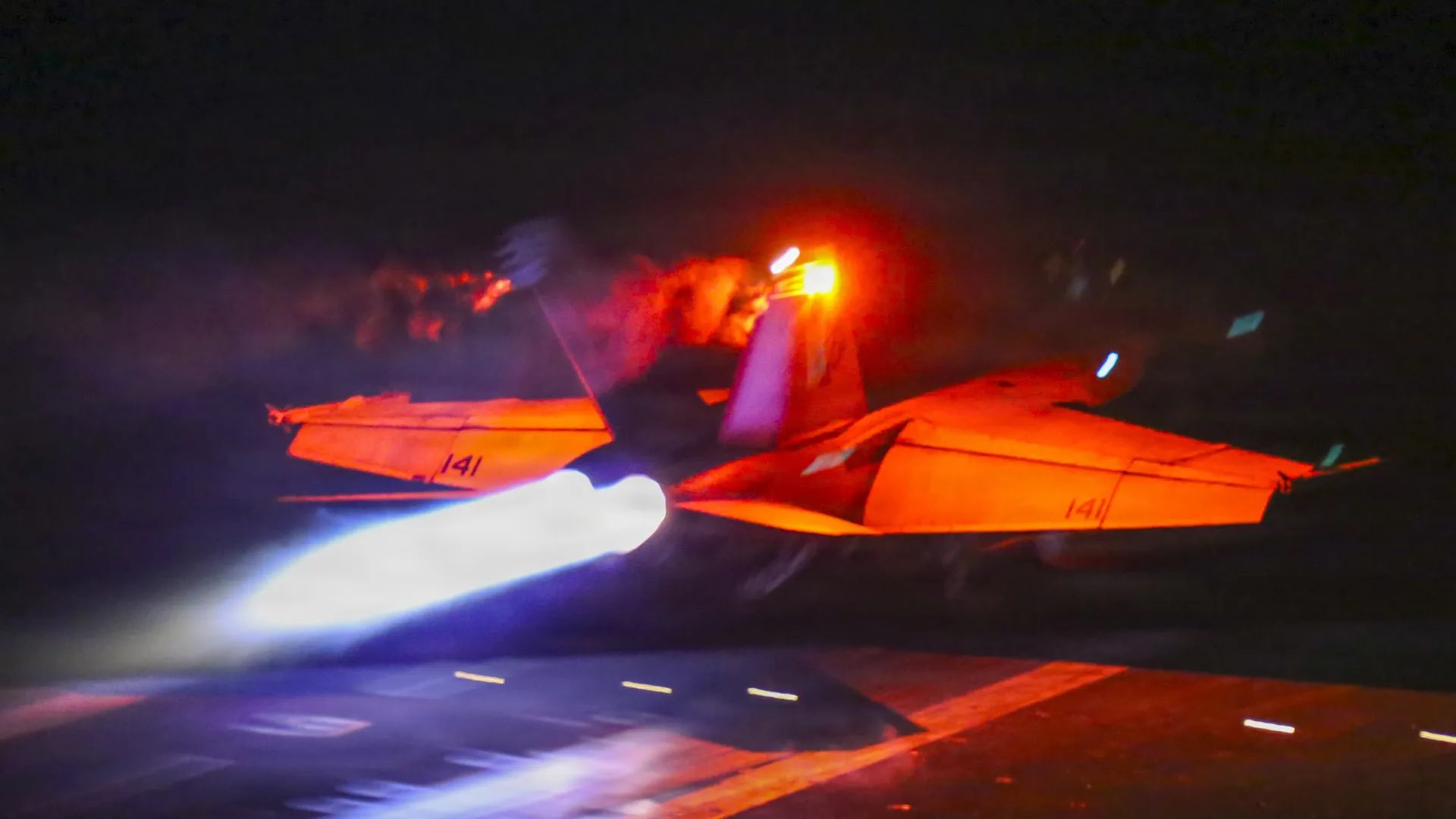
U.S. Central Command carried out a second consecutive night of heavy airstrikes against targets near the strategically vital Strait of Hormuz, hitting areas including Bandar Abbas, Qeshm Island, Minab and Sirik.
The strikes followed the downing of a U.S. Apache helicopter earlier in the week.
The conflict also expanded into the Gulf of Oman, where a U.S. precision munition strike on the Palau-flagged oil tanker MT Settebello killed three Indian sailors. The United States accused the vessel of attempting to breach the ongoing American naval blockade on Iranian ports.
Iran responded with a new round of retaliation. Tehran’s Islamic Revolutionary Guard Corps launched widespread drone and missile attacks targeting American military assets and bases in Jordan, Kuwait and Bahrain.
In response to the continued U.S. blockade, Iran declared the ceasefire “meaningless” and ordered the complete closure of the Strait of Hormuz to all maritime vessels.
Trump Says Iran Will ‘Pay the Price’
Trump has publicly warned Iran that it has “taken too long to negotiate a deal” and said the regime will continue to face “vicious” and “violent” military pressure until it signs a peace agreement.
The president also claimed that top Iranian officials contacted him directly to ask for a halt to the bombing campaign. Iranian state media quickly denied that any such conversation took place.
Despite the active exchange of fire, Trump told supporters at a political rally that a comprehensive peace deal is “largely negotiated” and said the United States will declare “total victory” within the next two weeks.
Israel-Iran Truce Remains Fragile
The escalation comes after Israel and Iran directly exchanged rocket and missile fire earlier in the week, prompting Trump to publicly pressure both sides to stop “shooting.”
Although Israel and Iran have temporarily paused direct strikes against each other’s territory, Israel has continued intense military operations against Iran-backed Hezbollah forces in southern Lebanon.
The conflict has also exposed strain between Trump and Israeli Prime Minister Benjamin Netanyahu. Reports indicate that Trump warned Netanyahu to “use sense” and be careful, saying Israel risks being “left alone against Iran” if it unilaterally escalates and derails the broader U.S.-led regional peace negotiations.
Nuclear Dispute and Economic Pressure Mount
International pressure on Iran has also intensified.
The United Nations’ International Atomic Energy Agency approved a U.S.-backed resolution demanding that Iran immediately declare its remaining stockpile of 60 percent enriched uranium and allow inspectors back into the country.
The presence of that nuclear material remains a major obstacle in the peace negotiations.
At home, the ongoing war and port blockade have pushed U.S. inflation to a three-year high, driven by surging global energy and shipping costs. The economic fallout has increased political pressure on the Trump administration ahead of the upcoming mid-term elections.