Dr. Anthony Fauci will return to Capitol Hill this week for what could become one of the most closely watched congressional hearings since the COVID-19 pandemic, as lawmakers prepare to question the former National Institute of Allergy and Infectious Diseases director about his handling of the pandemic, federal funding for coronavirus research, and newly released personal diary entries that have reignited political and legal scrutiny. The Senate Homeland Security and Governmental Affairs Committee is scheduled to hear Fauci’s testimony on Wednesday.
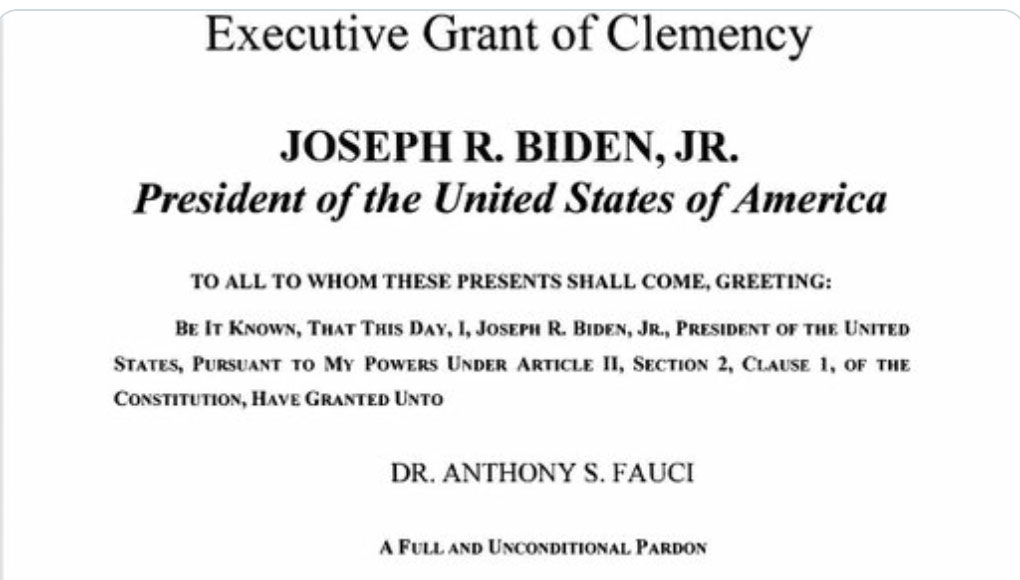
The hearing comes as another controversy continues to build around former President Joe Biden’s preemptive pardon of Fauci, particularly amid questions over the administration’s use of an autopen to execute official documents during Biden’s presidency.
Although President Donald Trump and congressional Republicans have questioned whether pardons signed with an autopen are constitutionally valid, no federal court has ruled that Biden’s pardons—including Fauci’s—are invalid. Constitutional scholars generally agree that the central legal question is not whether an autopen was used, but whether Biden personally authorized the pardon before his signature was affixed. That issue has not been resolved in court.
Biden issued Fauci a sweeping preemptive pardon on his final day in office, shielding him from potential federal prosecution for conduct occurring during a broad period of his government service. The unprecedented pardon drew immediate criticism from Republicans, who argued it was issued before any criminal charges had been filed and appeared designed to insulate one of the nation’s most recognizable public health officials from future investigations.
Now, congressional investigators are preparing to question Fauci under oath as they continue examining the federal government’s pandemic response, including U.S. funding that ultimately reached EcoHealth Alliance and research connected to the Wuhan Institute of Virology. Committee Chairman Sen. Rand Paul has repeatedly accused Fauci of misleading Congress about gain-of-function research and has indicated those issues will again be central to Wednesday’s hearing.
Adding to the political pressure is the release of thousands of pages from Fauci’s personal COVID-era diaries, which have become one of the week’s biggest political stories.
The journals, released ahead of the hearing by Sen. Paul, reportedly detail Fauci’s private thoughts during the pandemic, including his views of President Donald Trump, internal discussions surrounding the origins of COVID-19, and conversations with senior advisers. The diary entries are also being scrutinized for potential inconsistencies between Fauci’s private observations and his public statements or prior congressional testimony.
Among the disclosures drawing attention are entries discussing Fauci’s communications with former NIH adviser David Morens, who was indicted earlier this year on allegations involving federal records. Other entries reportedly describe Fauci privately questioning early assumptions about the Wuhan wet market while participating in discussions over the emerging lab-leak theory. Those revelations are expected to feature prominently during this week’s hearing.
Legal experts note that Biden’s pardon would not protect Fauci from any crimes allegedly committed after the pardon was issued. Likewise, if Fauci knowingly makes false statements while testifying before Congress this week, those statements would constitute new conduct occurring after the pardon and therefore would not be covered by Biden’s clemency. Whether any such conduct occurred would depend on the facts established through testimony and any subsequent investigation.
With renewed attention on the origins of COVID-19, gain-of-function research, government transparency, and the unprecedented use of a preemptive presidential pardon, Fauci’s appearance before Congress is expected to become one of the most significant public examinations of the nation’s pandemic response since he left government service.
For Republicans leading the investigation, the hearing represents another opportunity to revisit decisions made during one of the most consequential public health emergencies in modern American history. For Fauci, it will provide his latest opportunity to defend both his scientific judgments and his conduct during a pandemic that continues to shape American politics years after its onset.