Thirteen years old.
That is the age of the youngest child identified in newly obtained Lewiston Police Department data documenting juveniles caught up in the city’s escalating gun violence.
Others are 14.
Others are 15.
They are children.
Yet the police records offer a disturbing look behind the shooting statistics that have dominated public safety discussions in Maine’s second-largest city throughout 2026: teenagers becoming involved in gun violence at ages when most kids are navigating middle school and high school, learning to drive or thinking about what they want to do after graduation.
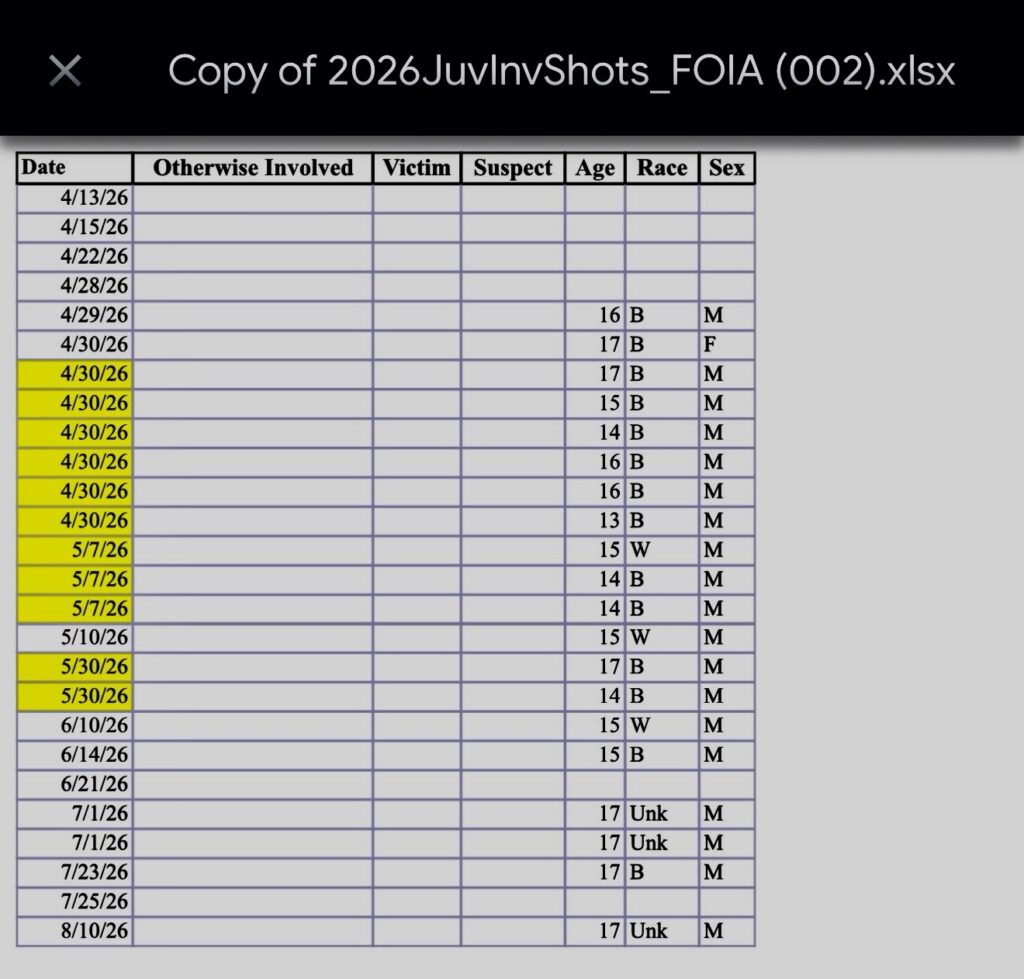
The Lewiston Police Department records, obtained through a Freedom of Access Act request and reviewed by The Maine Wire, contain demographic information for 20 juveniles between the ages of 13 and 17.
Seven are 17 years old.
Five are 15.
Four are 14.
Three are 16.
One is just 13 years old.
Nineteen of the 20 juveniles for whom sex is identified are male.
The numbers put an age on a reality Lewiston officials have been struggling with for months.
This isn’t simply a gun violence problem.
It is increasingly a children-with-guns problem.
A 13-Year-Old and a Gun
The individual cases show what those numbers mean on Lewiston’s streets.
On May 7, a 14-year-old boy was shot in the leg near Avon Street.
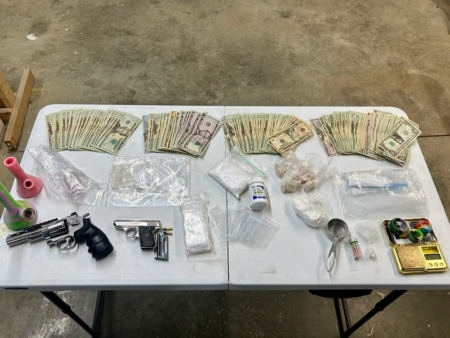
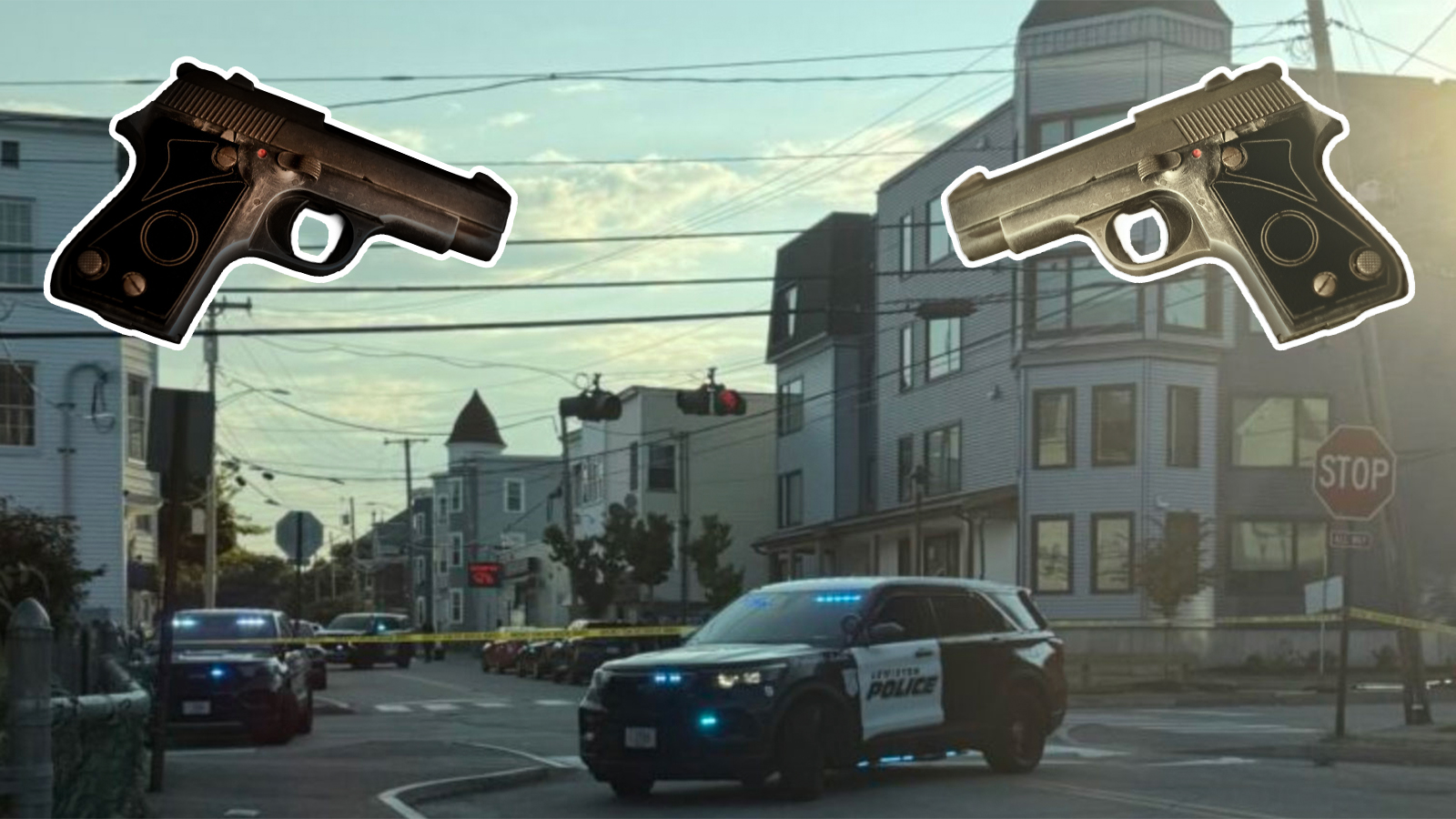
Police ultimately charged a 13-year-old with elevated aggravated assault and a 15-year-old with carrying a concealed weapon. Officers recovered three firearms during the investigation, two of which were stolen.
Think about that age for a moment.
Thirteen.
A child barely into his teenage years was facing an allegation involving serious gun violence.
Then came May 30.
Five juveniles between 14 and 16 years old were charged with conspiracy to commit murder following what police described as a retaliatory shooting on Pierce Street.
Investigators found shell casings outside an apartment building and bullet holes in an apartment police said had been deliberately targeted.
All five teenagers were transported to Long Creek Youth Development Center.
These aren’t adults with decades-long criminal histories.
They are children.
Conley Warned About the Crisis
Lewiston Police Chief Carly Conley has already warned that something deeply troubling is happening with the city’s young people.
In an exclusive interview with The Maine Wire, Conley sounded the alarm about Lewiston’s growing juvenile gun violence problem and the involvement of repeat juvenile offenders.
Conley described the surge in youth gun violence as one of the most concerning trends she has witnessed during more than two decades with the Lewiston Police Department.
The department’s newly obtained demographic data now puts ages behind that warning.
Through the end of June, Lewiston had recorded 19 shootings during 2026, with juveniles involved in 12 of them.
By early August, that number had climbed to 20 shootings during the first seven months of the year.
And police have said some of the juveniles appearing in those investigations are not encountering law enforcement for the first time.
Seven juveniles between 13 and 17 are listed in the newly obtained data under April 30 alone.
Three more, ages 14, 14 and 15, appear under May 7. Two teenagers are listed under May 30, while another two 17-year-olds appear under July 1.
Multiple juveniles listed on the same date should not be interpreted as separate shootings. Several young people can be connected to a single investigation.
But taken together, the numbers reveal just how deeply young people have become entangled in Lewiston’s violence.
The Revolving Door
City Administrator Bryan Kaenrath has described Maine’s juvenile justice system as a “revolving door,” particularly when young people accused of serious crimes return to the community.
Lewiston has attempted to respond.
The city dedicated $200,000 for additional police overtime and increased patrols, while officers have expanded foot and bicycle patrols in neighborhoods experiencing violence. City leaders have also discussed juvenile justice changes they could seek from lawmakers in Augusta.
But more patrols address only part of the problem.
Police officers can seize guns. Detectives can investigate shootings. Prosecutors can bring charges.
None of those things, by themselves, answer the most fundamental question raised by the numbers:
Why are children this young carrying guns in Lewiston?
Another Troubling Pattern
The demographic data also reveals a significant racial disparity among the juveniles identified in the records.
Fourteen of the 20… 70 percent are identified by police as Black.
Three are identified as White, while three are listed as unknown.
The figure is notable even in Lewiston, which has one of Maine’s most diverse school systems. Black students represent a substantially smaller percentage of Lewiston’s overall student enrollment than their representation in these shooting-related records.
The data alone, however, cannot explain the disparity or establish its cause.
Nor should every juvenile appearing in the spreadsheet automatically be described as a shooter. The demographic portion of the records does not clearly distinguish in every entry between suspects, victims and juveniles otherwise involved in an investigation.
What the records unmistakably show is their age.
Thirteen.
Fourteen.
Fifteen.
Those numbers should change the conversation about what is happening in Lewiston.
The debate cannot simply be about police staffing, prosecution, Long Creek, guns seized or shooting clearance rates.
It also has to be about parents, schools, neighborhoods, accountability and a juvenile justice system confronting children who may already be involved in serious violence before they are old enough to drive.
Lewiston officials can debate policies.
Augusta lawmakers can debate changes to Maine’s juvenile justice laws.
Police can continue taking guns off the streets.
But somewhere before the police cruiser, the courtroom and Long Creek, something is going terribly wrong.
A 13-year-old should not be carrying a gun into a dispute.
A 14-year-old should not be getting shot in the street.
And teenagers should not be facing conspiracy-to-commit-murder charges.
The most troubling statistic emerging from Lewiston’s 2026 shooting crisis may therefore not be the number of shootings at all.
It may be the ages of the children pulling, or standing dangerously close to, the trigger.