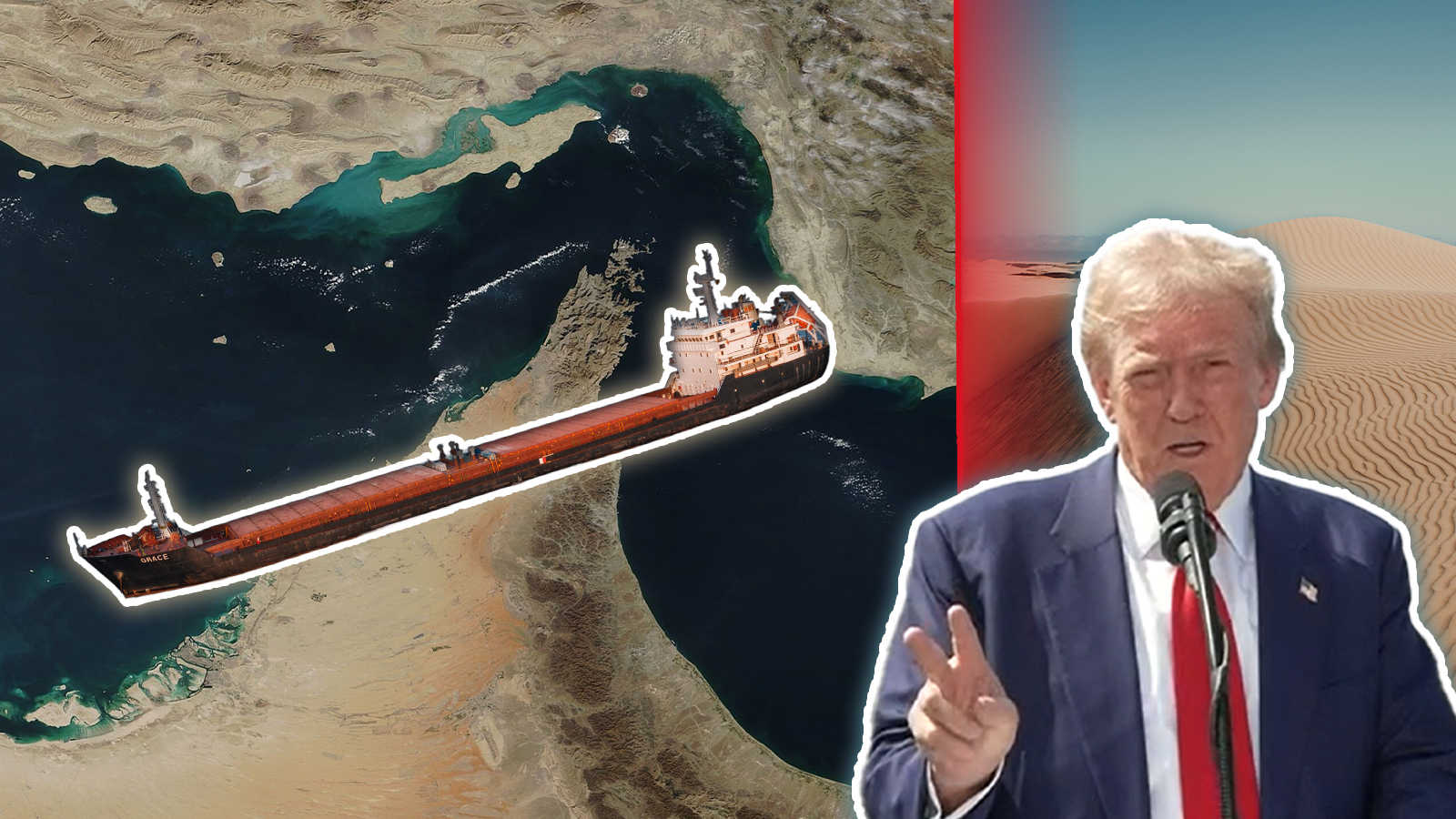
Iran’s effort to exert control over the Strait of Hormuz is beginning to change how major oil companies and refiners move crude through one of the world’s most important shipping lanes, adding a new layer of pressure to President Donald Trump’s escalating confrontation with Tehran.
Reuters reported Wednesday that at least three Indian oil refiners and one major global energy company are planning to stop using vessels blacklisted by Iran, including for ship-to-ship transfers.
The development marks a significant shift in the standoff.
Iran’s recently established Persian Gulf Strait Authority has blacklisted 45 tankers it says violated Tehran’s new transit rules. Iranian authorities have threatened fines, detention and possible cargo confiscation for vessels on the list, while also warning that ships conducting transfers with blacklisted tankers could face consequences.
Those threats are now affecting commercial decisions.
Several oil buyers and shipping companies are reviewing their exposure to blacklisted vessels, according to Reuters, amid fears that Iran could seize ships or cargoes moving through the Strait of Hormuz.
That matters far beyond Iran.
Some vessels on Tehran’s blacklist have ties to major Gulf energy operations, including companies associated with Saudi Aramco and the United Arab Emirates’ ADNOC. Tankers have been used to move crude and refined products through Hormuz before transferring cargoes to other vessels outside the Persian Gulf.
Those operations have become increasingly important as normal commercial traffic through the strait remains severely disrupted.
Before the conflict, roughly one-fifth of the world’s oil and liquefied natural gas moved through Hormuz.
Shipping levels are now only a fraction of normal.
Reuters reported this week that only five commodity vessels crossed the strait Tuesday, compared with a 10-day average of roughly 15. Earlier in the week, daily crossings fell even lower.
Iran has repeatedly insisted the strait remains militarily closed, despite American efforts to clear mines and reopen international shipping lanes.
Trump announced Tuesday that U.S. forces had cleared mines from international waters in Hormuz and warned Iran against laying additional explosives.
The president said the United States is using advanced surveillance to monitor the waterway and threatened to destroy vessels caught deploying new mines.
But while Washington may be clearing physical obstacles, Tehran appears to be using commercial pressure to maintain influence over shipping.
That distinction is becoming increasingly important.
If refiners, insurers and shipowners begin voluntarily avoiding vessels targeted by Iran, Tehran may be able to restrict shipping without physically intercepting every tanker.
Analysts cited by Reuters warned that Iran’s blacklist could shrink the number of vessels willing to operate in the region while increasing freight rates, insurance costs and risk premiums.
Two very large crude carriers on Iran’s blacklist had also stopped transmitting their locations by Tuesday, according to the report.
The maritime escalation comes as Trump continues applying intense economic pressure on Iran while simultaneously leaving open the possibility of renewed negotiations.
Treasury Secretary Scott Bessent announced a major new sanctions campaign Monday targeting dozens of Iran-linked entities and vessels while warning foreign businesses that continued commerce with Tehran could jeopardize access to the U.S. financial system.
The administration has stopped short, at least for now, of immediately imposing its strongest secondary sanctions on major Chinese financial institutions.
China remains Iran’s most important oil customer.
At the same time, diplomatic efforts continue behind the scenes.
Pakistan has been attempting to mediate between Washington and Tehran, while Iran and Oman have been discussing a possible temporary shipping corridor through Hormuz.
Oman described those negotiations as constructive, but Tehran has made clear that the discussions do not yet amount to a reopening of the strait.
There is also no confirmed peace agreement between Washington and Tehran.
That leaves the Trump administration pursuing two strategies at once: economically isolating Iran while attempting to restore enough commercial shipping through Hormuz to ease pressure on global energy markets.
Iran, meanwhile, appears determined to prove it still has leverage.
Its blacklist may now be doing exactly that.
What began as a threat against 45 individual tankers is increasingly influencing the decisions of international refiners, shipping companies and insurers.
And as long as companies believe Tehran is willing to seize ships or cargoes, Iran may not need to close the Strait of Hormuz completely to have a powerful effect on global oil markets.
For Trump, the challenge is becoming increasingly clear.
Reopening Hormuz is not simply a matter of clearing mines or deploying American naval power.
It may also require convincing the global shipping industry that Iran can no longer dictate which vessels are safe enough to pass.