Late Thursday night, U.S. District Judge Indira Talwani issued a 14-day temporary restraining order blocking the Postal Service from enforcing portions of a newly issued rule developed in response to an executive order aimed at tightening mail-in voting procedures nationwide.
This marks the latest development in an ongoing legal battle over an executive order issued by President Donald Trump earlier this year directing the Department of Homeland Security (DHS) and USPS to strengthen mail-in voting procedures.
Under the order, DHS was directed to compile state-specific citizenship lists to verify voter eligibility.
At issue here was Section 3 of the executive order, which directed USPS to establish a system that would prevent it from transmitting certain federal ballots unless the intended recipient was included on a state-submitted list.
The Postal Service would not be responsible for determining a person’s eligibility to vote in a federal election.
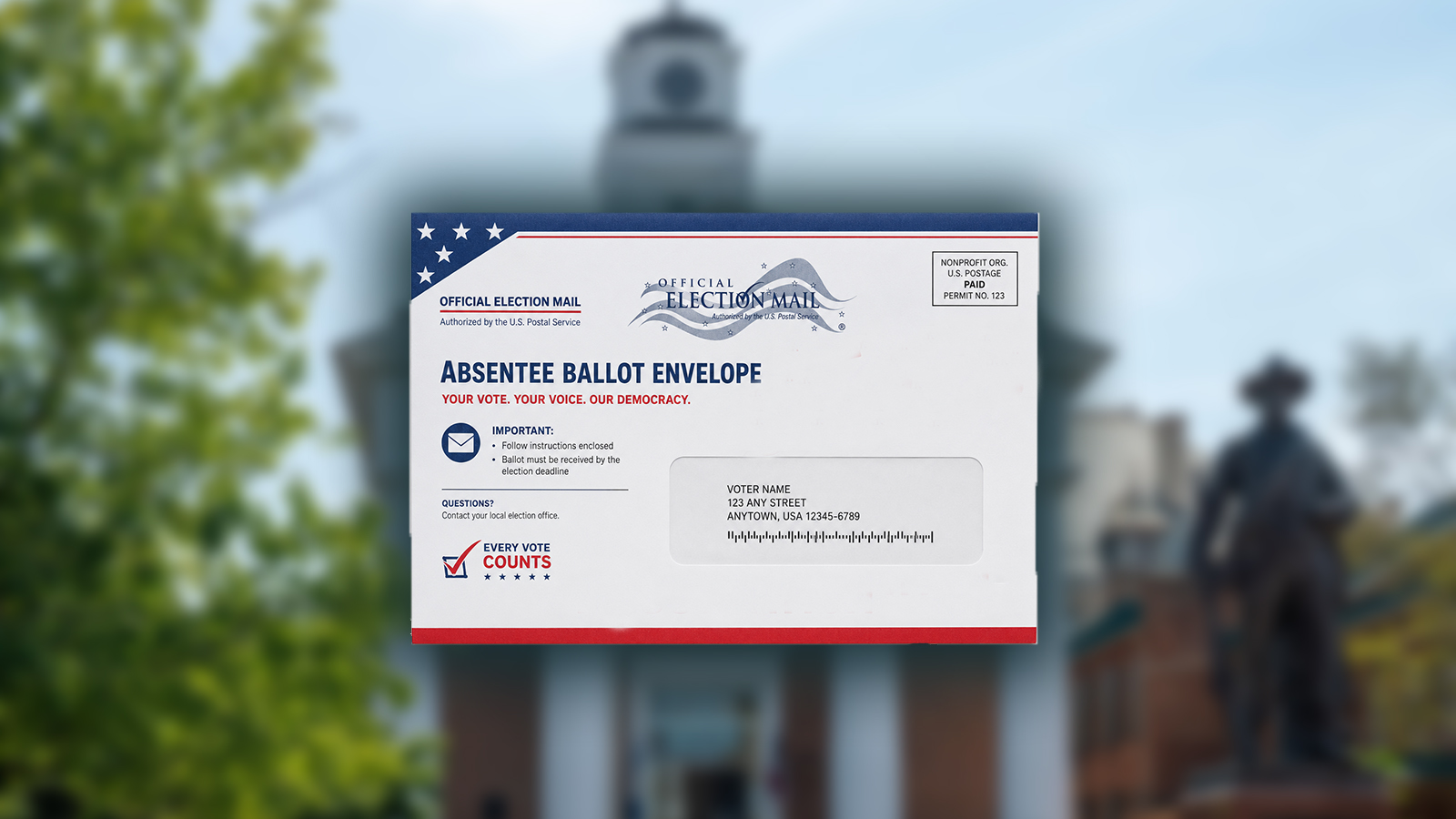
USPS would also be required to maintain a Mail-In and Absentee Participation List of all individuals “enrolled” with the agency to receive mail-in or absentee ballots, along with the “unique ballot envelope identifiers” for any ballots sent.
[RELATED: USPS Cleared to Implement Mail-In Voting Changes After MA Judge Lifts Injunction]
On Monday, the United States Supreme Court ruled that an earlier challenge to the executive order was premature because the states had not yet suffered a concrete injury. However, the Court did not rule on the order’s underlying legality, leaving open the possibility of future challenges to its implementation.
Despite the Supreme Court’s ruling, a separate injunction still prevented USPS from implementing the 95-page rule it had prepared in response to the executive order.
Soon after, Judge Talwani said she was “compelled” by the Supreme Court’s decision to lift the separate injunction on Section 3, briefly opening the door for USPS to implement the changes it had developed.
[RELATED: SCOTUS Clears Path for President Trump’s Mail-In Voting Executive Order Ahead of Midterm Elections]
Immediately after the USPS rule took effect Wednesday, a coalition of more than two dozen Democratic-led states filed another challenge.
The next day, Judge Talwani issued a 14-day temporary restraining order that blocked USPS from enforcing specified portions of its final rule.
“Based on the record presently before the court, Plaintiff States face irreparable harm where they are required to comply with a likely unconstitutional regulation for which compliance is practically impossible as to the 2026 midterm elections, now little more than two months away,” Talwani said in her order.
“Most Plaintiff States have already ordered their mail ballots, and some are required by state law to send them to eligible voters as early as next week,” she continued. “Plaintiff States have neither time nor funds to design new mail ballots, seek approval of the new designs, order production of mail ballots, update their own election management systems, train election officials to use the USPS portal, and upload citizen data to the portal, all before the midterms.”
This temporary restraining order is set to remain in effect for 14 days while Talwani considers whether or not to issue a longer-term preliminary injunction. A hearing on this matter has been scheduled for September 3, 2026.