

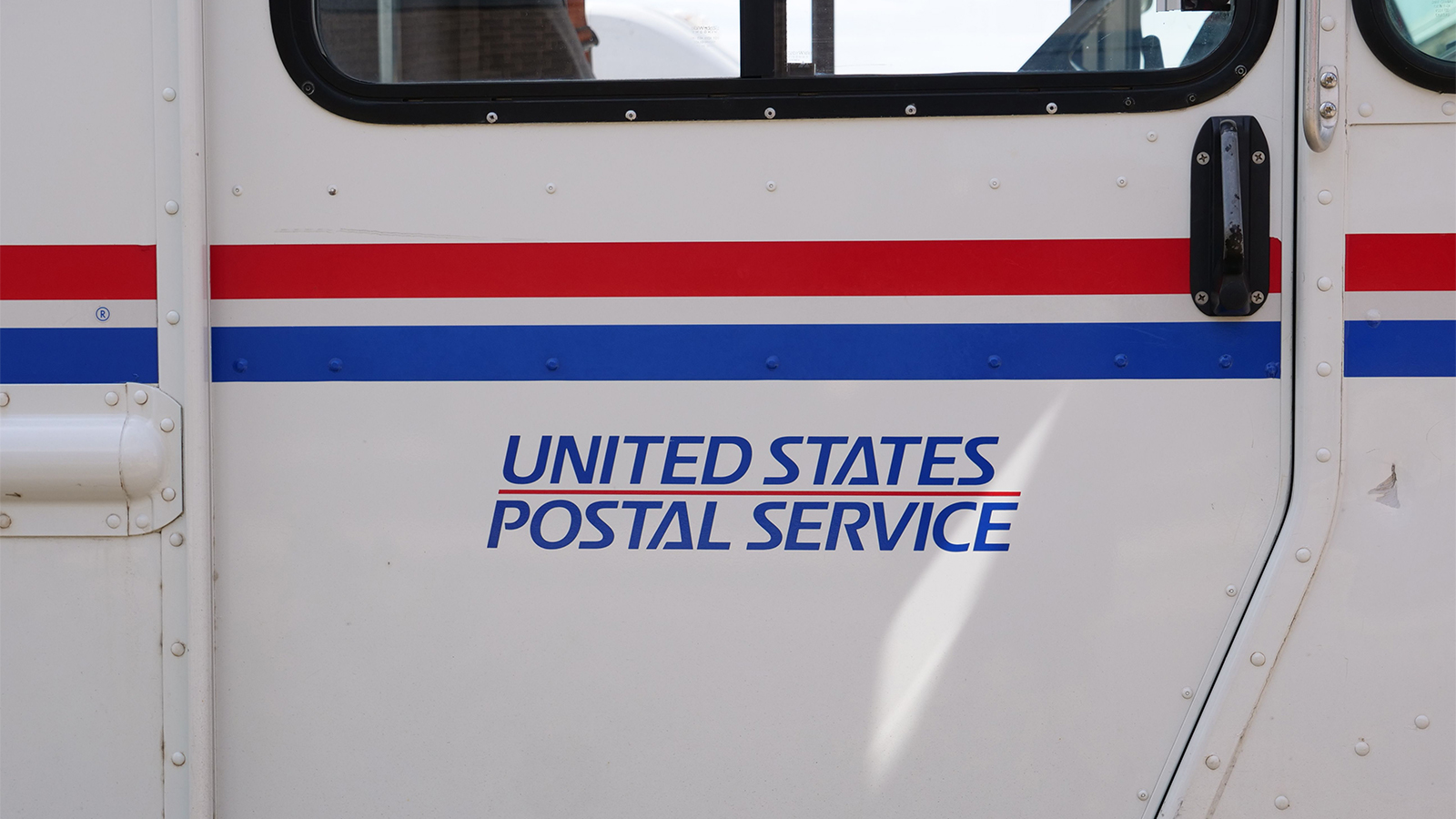
Following a ruling from the United States Supreme Court, a Massachusetts judge lifted her temporary injunction blocking the Postal Service from implementing changes aimed at tightening mail-in voting procedures outlined in an executive order issued earlier this year.
This comes after the Department of Justice asked the court on Monday evening to roll back the injunction, arguing that a Supreme Court order earlier this week “leaves no room for any further dispute.”
In an unsigned order, the Justices concluded that it was too early for a challenge to be brought because the order simply tells federal agencies to develop policies and does not directly impose them on the states.
Under the executive order in question, the Department of Homeland Security was directed to compile state-specific citizenship lists to verify voter eligibility.
Section 3 of the executive order also directs the U.S. Postal Service to develop procedures for delivering mail-in ballots, including limits on distribution to voters on state mail-in voting lists derived from those federal records.
USPS finalized a rule Friday tightening requirements for mail-in voting ahead of the upcoming midterm election in accordance with this order but said it will not implement the changes so long as an injunction blocking them remains in effect.
In the rule, USPS states that it “will not take actions to implement the rule specifically for the 2026 election unless and until the government obtains relief from those injunctions.”
The agency said it issued the 95-page rule at that time so the Postal Service could implement the changes immediately if courts lift the preliminary injunction.
With Wednesday’s ruling, however, the Postal Service is free for now to implement these new procedures.
That said, Democratic-led states, including Maine, have filed a new challenge that could once again create roadblocks to its implementation.
[RELATED: USPS Sets New Mail-In Voting Rules as Implementation Remains Blocked by Injunction]
“This is a textbook case for reconsideration,” the DOJ said in its request late Monday.
“Because it is now clear that this Court lacked jurisdiction to issue the preliminary injunction in this case, it must be vacated immediately,” the filing said.
U.S. District Judge Indira Talwani appeared to agree with this assessment, explaining in her ruling that the Supreme Court’s order earlier this week “compelled” her to lift the injunction.
However, she added that she believes the executive order could unleash “chaos” and is “likely unconstitutional.”
[RELATED: SCOTUS Clears Path for President Trump’s Mail-In Voting Executive Order Ahead of Midterm Elections]
That said, the latest lawsuit from Maine and a number of other Democratic states could once again halt the implementation of these changes ahead of the midterm elections in November.



Meanwhile back in Maine …..there may be hundreds of plywood “ drop boxes “ being built to accommodate the supposed thousands of voters inconvenienced by “ in person “ voting …..
Sheena is not taking calls about this ….” She ain’t sayin nuthin “
Well that certainly puts a kink in those disenfranchised non citizens being able to vote by mail in ballots.
Now doesn’t it Shanna?
Wow good thing you haven’t installed those camel only parking spots for Mohammed and Mohammed at the drop box locations around the state.
The Mohammed’s don’t like there pictures taken so now you can vote yes to have those security cameras installed.
Now that’s a good thing security cameras! Yes
Still waiting for answers on the 250 mail in ballots that ended up in a Maine citizen’s Amazon order and the envelopes for these ballots ending up in DC with a Democrat operative lawyer.
Simple objection to I.D. You can not cheat with I.D. in place. Course one of our candidates in Maine stated “that ANYONE can buy a gun with no I.D. ANYONE can drive, drink or have needles given to them with no I.D. so why worry about something minor like voting?”