
New Maine Energy Law Promises Ratepayer Relief, but Instead Delivers Political Cover for Democrats in the 2026 Midterms.
Maine’s ratepayers deserve the truth — not another political illusion masquerading as reform.
You’ve probably seen headlines like “Janet Mills signs into law a Democrat’s plan to rein in solar subsidies” (Bangor Daily News) or “Maine governor signs controversial net-metering reforms into law” (PV Magazine). But don’t be fooled: LD 1777 is not bold reform. It’s political theater — a carefully timed distraction ahead of the 2026 election designed to convince voters the party in power is tackling the energy crisis that they created and caring for Maine families who they continue to harm. The reality? This bill protects the status quo, shields special interests, and prolongs the financial pain for families and businesses already crushed by skyrocketing utility bills.
Technical Adjustments That Leave Core Issues Untouched
LD 1777, titled “An Act to Reduce Costs and Increase Customer Protections for the State’s Net Energy Billing Programs,” makes minor tweaks to Maine’s Net Energy Billing (NEB) system. This system lets solar developers and large-scale energy projects get credits for power they feed into the grid — credits paid for by every other ratepayer, including those who don’t benefit from solar at all.
Tariff Rate Changes That Preserve Overpayment
LD 1777 splits tariff rates for projects under and over 3 megawatts and applies the following:
- 3 MW: Compensation fixed at the 2025 tariff rate, with a 2.25% annual increase thereafter.
- Projects 3–5 MW: Same, but pegged to the 2026 tariff rate baseline.
Sounds reasonable — until you realize these “controlled” rates remain far above the market value of the energy generated. This inflated pricing model guarantees solar developers continue to profit at the expense of everyday Mainers.

Credit Reductions That Fall Short of Market Reality
The bill introduces a “NEB project charge” to reduce credits paid to solar developers:
- Small projects (<1 MW): 23.2¢/kWh
- Medium projects (1-3 MW): 20.8¢/kWh
- Large projects (3-5 MW): 18.1¢/kWh
All these rates will also rise annually by 2.25%. This “progress” still overcompensates solar developers, while ratepayers shoulder the bill.
Delayed Action Disguised as Reform Planning
LD 1777 tasks the Governor’s Energy Office (GEO) with designing a replacement program for NEB by September 30, 2026 — mere weeks before the next election. The Public Utilities Commission (PUC) then has 120 days to approve or deny the plan. They must approve the program only if it determines that benefits exceed the costs. However, this test may be largely symbolic, as the GEO and other executive-branch-aligned bodies often rely on speculative climate modeling to argue that benefits “outweigh” costs — an approach that ignores hard cost-benefit realities for ratepayers. Also, the PUC is technically an independent executive agency, which means the legislative review of these rules may not occur.
This means that we won’t even know what this successor program will look like until well after the election is over. With no real guardrails in place, this new program could be even more damaging than NEB ever dreamed of, and we won’t know until it is too late.
This is not a solution. It’s political deferral — allowing Democrats to claim “We’re working on it” while dodging immediate accountability, conveniently after votes are already cast.
The Math Behind the Messaging
LD 1777 claims to cut $1.2 billion from future solar costs over 16 years. That sounds impressive — until you do the math. In 2026 alone, Maine’s broken NEB system is projected to cost ratepayers $234 million. LD 1777 potentially reduces that by just $28 million — a mere 12 cents of relief for every dollar of pain. The total cost of the NEB program is expected to reach $4.4 billion. Their plan? Stick Mainers with $3.2 billion of that — and declare victory.
The $1.2 billion of savings figure being pushed by Democrats is built entirely on the most optimistic assumptions from the Office of the Public Advocate. It ignores future implementation costs, and more importantly, there’s no solid math behind it. After a review from policy experts, it’s clear: the numbers don’t add up — unless you’re counting on the magic of hopes, dreams, and unicorn tears.
So what does LD 1777 really do? It’s like throwing a cup of water on a raging house fire that you started, then claiming you saved your neighborhood — and expecting a parade.
An Election Strategy, Not a Policy Solution
Let’s call this bill what it is: a calculated move to create a catchy campaign soundbite, while avoiding real reform.
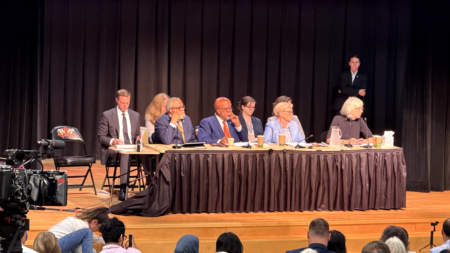
As a member of the Energy, Utilities, and Technology (EUT) committee where this bill was handled, I heard the outrage firsthand — ratepayers furious about subsidizing solar projects they don’t benefit from, while businesses face some of the nation’s highest electricity rates and carry the burden of public policy charges supporting this failing solar scheme.
The Public Utilities Commission’s flippant response was hard to stomach. Their rate allocation structure—true to a socialistic playbook—shifted these charges onto a small group of businesses, forcing them to pay for this folly. When those businesses shared their struggles with the Energy, Utilities, and Technology Committee, the PUC echoed Karl Marx: “From each according to his abilities, to each according to his needs.” The PUC chairman (who also used to be the Chair of the Maine Democrat Party) implied that successful northern Maine businesses—employing thousands—should be punished for their success and bear a burden Southern Maine Democrats call “just and reasonable” in the name of “energy justice.” Democrats always talk about paying your “fair share”, but what exactly is the “fair share” of the fruits of someone else’s labor?
Make no mistake: LD 1777 wasn’t written to protect ratepayers—it was written to protect political power. I saw how concerns were dismissed, businesses told to basically “suck it up,” and their suffering was justified as the price of ideological policy.
It was truly sickening.
False Claims of Consensus
Democrats rushed to call LD 1777 “bi-partisan” because one Republican co-sponsored the bill, in a good faith effort to get real relief for the Maine people. But when it was made clear that true reforms were off the table, even that Republican joined his fellow Republican committee members to vote against it. The “bi-partisan” label is nothing more than smoke and mirrors.
What Meaningful Reform Should Have Included
We should have:
- Ended the NEB program outright, not just restructured it.
- Eliminated bloated public policy charges crushing businesses.
- Put ratepayers’ interests ahead of solar developers and lobbyists.
Republicans have been fighting for years to enact these common sense reforms, but have been stonewalled every time by the solar lobby and their merry band of loyal legislators willing to do their bidding. Instead, we got a half-measure engineered to avoid backlash from those same solar advocates — with just enough jargon to add to a campaign mailer.
Looking Ahead: Accountability, Not Optics
Was LD 1777 a step in the right direction? Maybe, but it is a baby step at best. Many of the costs in the bill are hypothetical and unproven, and it hands too much power to the executive branch. Sadly, the executive branch is so secretive about its numbers that we can’t be exactly sure how it reached these final savings estimates.
We cannot accept this sleight of hand as the new legislative standard. This bill is like taping over a warning light on the dashboard instead of fixing the engine.
Democrats know the NEB program is a political liability. They clung to power in the House by just 60 votes. They see voters are fed up with rising costs and empty promises. So they crafted LD 1777 — a virtue signal disguised as policy — allowing them to claim they’re fighting for ratepayers while protecting their climate alarmist credentials and dodging the tough choices real reform demands.
As an EUT committee member, I’ve heard from Mainers suffering under soaring utility bills — families forced into impossible choices, small businesses struggling to survive. They have been betrayed by a system that puts politics before people.
LD 1777 fails those families. It’s a political cover-up, not real reform. It offers empty promises while ratepayers pay the price.
We owe Mainers better. We need to end NEB, eliminate solar subsidies, and bring true accountability to Maine’s energy policies — delivering relief people can see in their bills, now, not years from now.
This bill may have nudged policy in the right direction, but it ultimately protected the interests of solar developers while leaving Maine’s ratepayers to foot the bill for their inflated profit margins. The so-called “successor program” is nothing more than a vague promise — an abstract concept that won’t become reality until long after the 2026 election. And when it does, there’s every reason to believe it could be even worse for ratepayers. With climate activists steering both the Governor’s Energy Office and the Public Utilities Commission, Mainers should brace for a replacement that doubles down on ideology over affordability.
When campaign season hits in 2026 and LD 1777 is touted as progress, don’t be fooled. Remember the over $200 million still being taken from your pockets next year. The Democrat’s celebration of this bill is akin to being proud that they talked the school yard bull into only beating you up on the playground four days a week rather than 5, while also allowing the bullies to come up with a new playground plan that may end up allowing you to be beat up seven days a week.
This bill wasn’t about helping you. It was about protecting labor unions, Democrat donors, and special interests. When you vote, remember who truly stood for Maine’s families — and who sold them out.