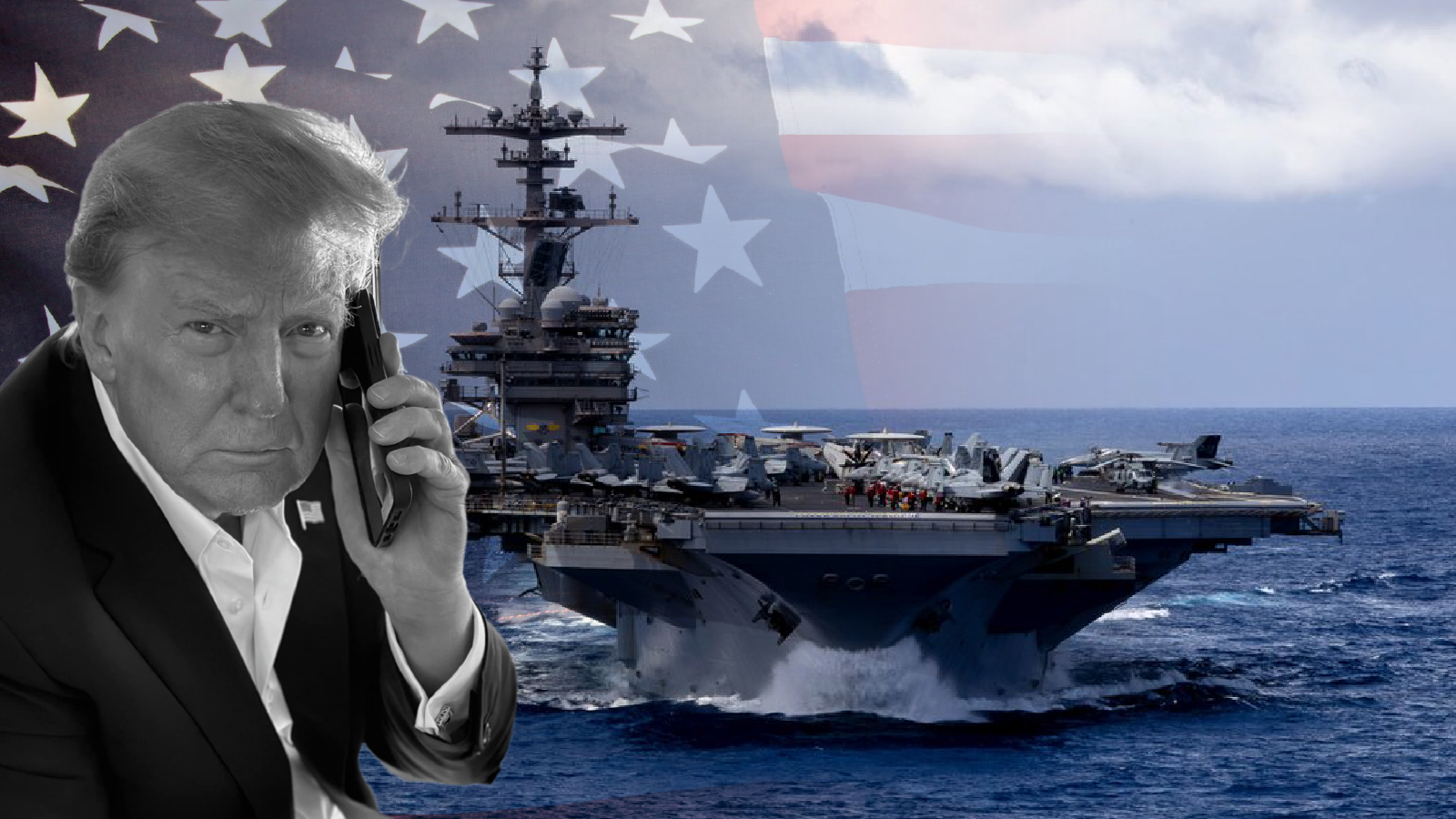
WASHINGTON – The military standoff between the United States and Iran escalated Thursday as President Donald Trump ordered U.S. forces to “shoot and kill” Iranian small boats suspected of laying mines in the Strait of Hormuz, a critical global shipping lane that remains at the center of the widening conflict.
The order comes as the Trump administration intensifies efforts to clear mines from the strait and force the reopening of one of the world’s most important energy corridors. The waterway, which normally carries a major share of global oil and gas traffic, has been effectively closed amid Iranian mining operations, ship seizures and retaliatory U.S. naval actions.
Trump said the U.S. Navy has been authorized to use lethal force against Iranian boats caught placing mines in the strait, while also announcing what he described as a “tripled up” effort to remove existing mines from the waterway.
The latest escalation followed reports that Iranian forces attacked commercial vessels in the Strait of Hormuz and seized ships they claimed had violated Iranian waters. In response, U.S. forces intercepted and boarded the M/T Majestic X, a tanker accused of transporting Iranian oil in violation of sanctions.
Peace talks that had been expected to take place in Islamabad have stalled. Iran has refused to attend unless the United States lifts its naval blockade of Iranian ports, while Washington has demanded that Iran first reopen the Strait of Hormuz to international shipping.
The confrontation is part of the broader conflict known as Operation Epic Fury, which began Feb. 28 with coordinated U.S. and Israeli strikes on Iranian nuclear sites, military infrastructure and regime leadership. Those strikes killed Iranian Supreme Leader Ali Khamenei and other senior Iranian officials, according to reports and congressional background materials on the operation.
The conflict has since settled into a dangerous dual-blockade scenario. Iran has mined and closed the Strait of Hormuz in an attempt to choke off global energy flows, while the United States has responded with a naval blockade restricting ships from entering or leaving Iranian ports.
The economic consequences have been immediate. Oil prices have climbed toward or above $100 per barrel as shippers, energy markets and governments brace for prolonged instability in the region.
Trump has claimed the United States has “total control” over the strait, even as Iranian forces continue to demonstrate an ability to threaten vessels moving through the region. The president has also warned that Iran’s civilian infrastructure, including power plants, could be targeted if Tehran refuses to reopen the waterway.
The U.S. military buildup in the region has included thousands of troops and multiple warships tasked with enforcing the blockade, deterring Iranian forces and conducting mine-clearing operations.
For Maine residents, the conflict is not a distant foreign policy matter. A prolonged shutdown of the Strait of Hormuz could drive up energy prices, increase shipping costs and place additional strain on households and businesses already facing inflationary pressure.
For now, the ceasefire remains fragile, the strait remains dangerous, and the world is watching to see whether the next move comes at the negotiating table or at sea.