

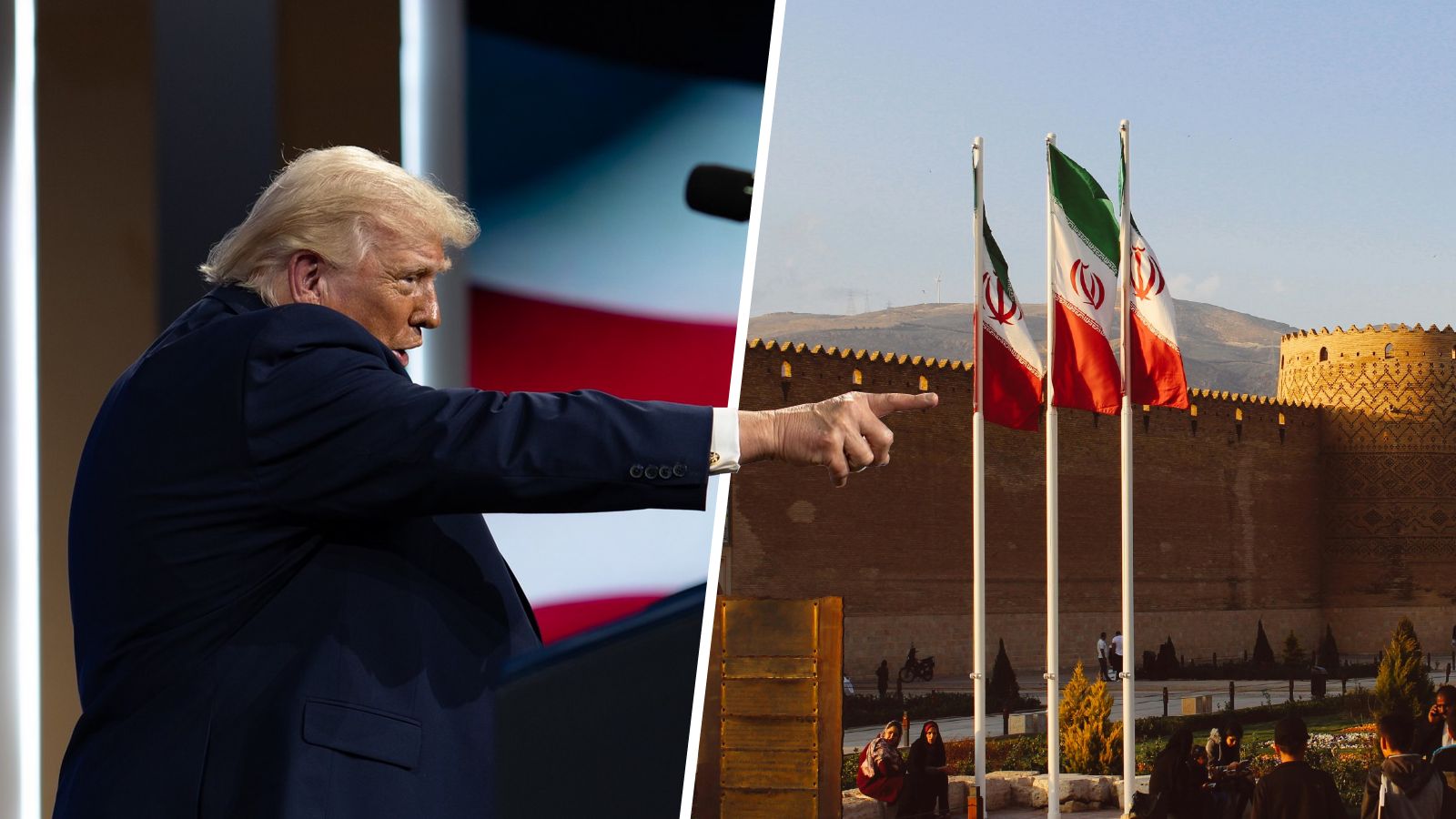
WASHINGTON – Negotiations to end the war between the United States and Iran have hit a critical impasse as a fragile two-week ceasefire is set to expire Wednesday evening, April 22, 2026, with President Donald Trump signaling he is “highly unlikely” to extend the truce if no final agreement is reached.
While the White House has projected optimism, the actual status of direct talks remains uncertain.
Trump has sent a high-level U.S. delegation to Islamabad, Pakistan, for what could be a second round of negotiations. The delegation is led by Vice President JD Vance and includes Jared Kushner and special envoy Steve Witkoff.
Iranian officials, including Parliament Speaker Mohammad Bagher Ghalibaf, have publicly refused to attend, saying they will not negotiate “under the shadow of threats.” At the same time, some reports indicate Tehran may be positively reviewing whether to participate at the last minute.
Trump has insisted he is under “no pressure whatsoever” to make a deal, while also predicting an agreement will happen “relatively quickly.” He has also warned that if the ceasefire ends without a deal, the United States will bomb Iran’s power plants, and has said that if Iran rejects a deal, the United States will destroy the country’s power plants and bridges.
Several major issues continue to stand in the way of an agreement.
A central Iranian grievance is the ongoing U.S. naval blockade of Iranian ports in the Strait of Hormuz. Tensions escalated this week after the U.S. Navy seized an Iranian cargo vessel, which Iran called an “act of piracy.”
The Trump administration is also pushing for a deal it says would go far beyond the 2015 nuclear agreement by requiring the complete dismantling of Iran’s nuclear enrichment capabilities.
Iran, meanwhile, has demanded the lifting of the U.S. blockade as a precondition for formal talks.
The conflict has escalated steadily over the past year.
Trump reinstated his “maximum pressure” campaign in February 2025. In June 2025, large-scale U.S. and Israeli strikes on Iranian nuclear sites were followed by the start of a 12-day ceasefire. Large-scale strikes resumed in February 2026, officially beginning the 2026 Iran war. A two-week temporary ceasefire was then announced on April 7, 2026.
That ceasefire is now set to expire Wednesday evening, leaving the negotiations at a pivotal moment.




This guy must be counting on meeting his 72 virgins before the end of the week. “Iranian officials, including Parliament Speaker Mohammad Bagher Ghalibaf, have publicly refused to attend.”