

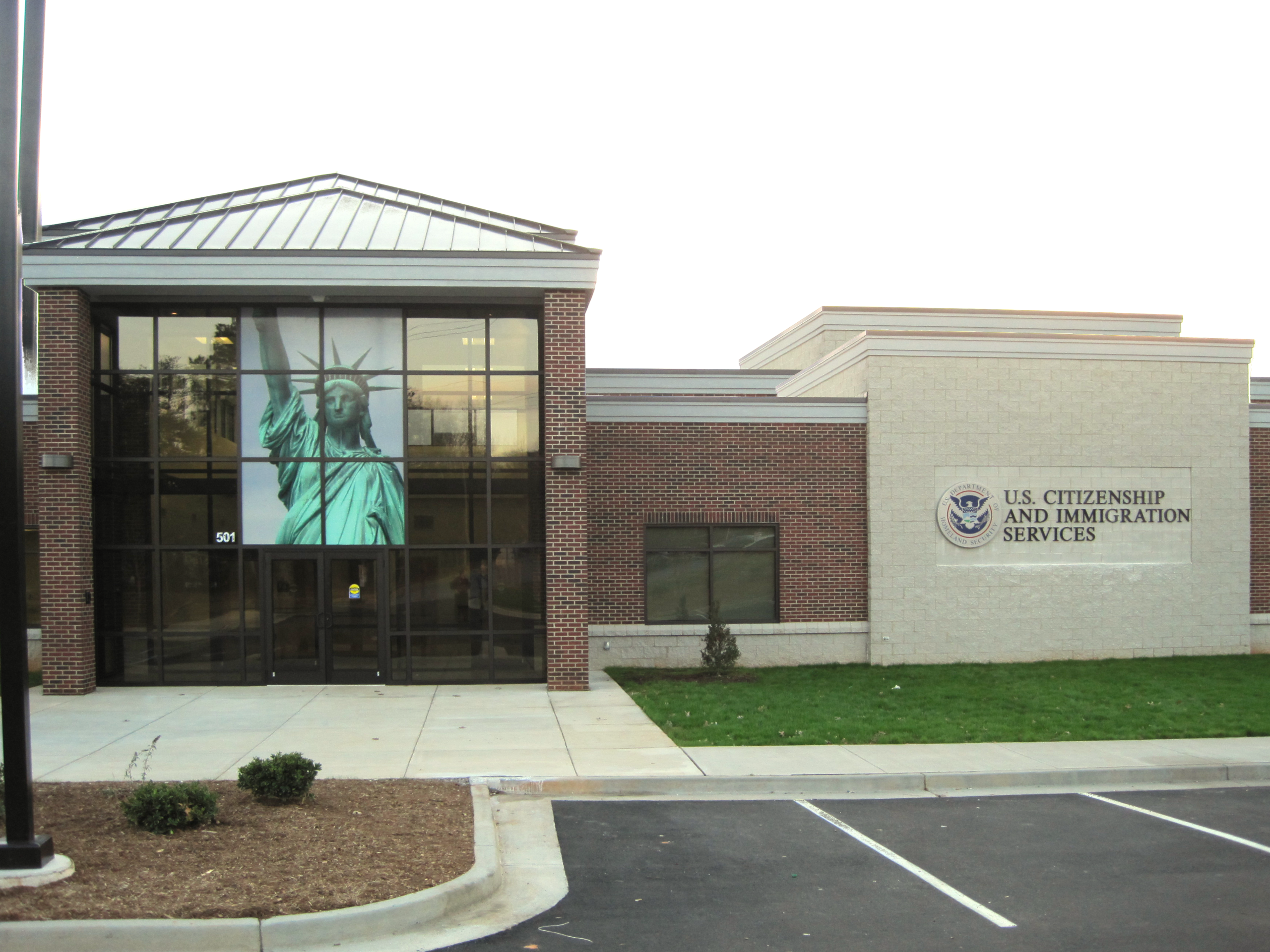
WASHINGTON – The Trump administration has announced a major shift in immigration policy that will require most foreign nationals living in the United States on temporary visas to leave the country and pursue permanent residency through overseas consular processing.
Under a policy memorandum issued by U.S. Citizenship and Immigration Services, or USCIS, “adjustment of status”, the process allowing eligible applicants to seek a green card from inside the United States, will now be granted only in extraordinary circumstances.
The change upends a decades-old practice that allowed many legally present foreign nationals, including temporary workers, international students and tourists, to transition to permanent residency without first leaving the country.
Under the new policy, nonimmigrants seeking green cards will generally be expected to return to their home countries and complete the process through a U.S. embassy or consulate.
Applications submitted from within the United States may still be filed through Form I-485, but they will no longer be treated as a standard path to permanent residency. Instead, USCIS officers have been instructed to view adjustment of status as an extraordinary discretionary benefit and to apply heightened scrutiny before approving an application.
The policy directly affects foreign nationals living in the United States on temporary visas, including international students, tourist visa holders and a wide range of temporary workers.
USCIS officers will weigh the totality of the circumstances in deciding whether an applicant qualifies for an in-country adjustment. Applicants who provide an economic benefit or serve the national interest may be permitted to continue processing inside the United States.
The policy may also be applied less rigidly to traditional dual-intent visa categories, including H-1B and L-1 visa holders, whose status allows them to seek permanent residency while legally remaining in the country on a temporary visa. Holding one of those visas, however, does not guarantee that USCIS will exercise its discretion in the applicant’s favor.
Among the positive factors officers may consider are strong family ties in the United States, extreme hardship to American citizen relatives, tax compliance and long-term stable residence.
Negative factors are expected to include previous immigration law violations, fraud and a failure to leave the United States after a temporary stay expires.
The policy is also expected to place additional pressure on the overseas consular processing system. Immigration experts have warned that forcing applicants to pursue green cards abroad could result in significant delays, increased backlogs and lengthy separations for families whose applications remain unresolved.
Immigration attorneys and advocacy organizations have also said the administration’s policy is likely to face legal challenges in federal court, with critics arguing that the change improperly bypasses the federal rulemaking process.
For foreign nationals already navigating the green card process, the new policy introduces significant uncertainty into what had long been a routine legal pathway to permanent residency from within the United States. Under the Trump administration’s new approach, most temporary visa holders will now face the prospect of leaving the country before they can complete the process of seeking a permanent home in America.



Steven Miller is alive and well hiding behind the curtain .
KEEP UP THE GOOD WORK .
So, the FBI director has to go back to India!?
Retard allert!
Good, long overdue