WASHINGTON- President Donald Trump announced that a peace framework to end the U.S.-Israel war with Iran has been “largely lnegotiated” and is awaiting final approval, though major points of disagreement remain unresolved.
Trump said a preliminary Memorandum of Understanding has been reached to extend the fragile April 7 ceasefire into a permanent resolution. He also cautioned that the chances of completing the deal remain a “solid 50/50.”
The proposed framework would seek to end the 12-week-old war through a three-stage process negotiated by the United States, Iran, and regional mediators.
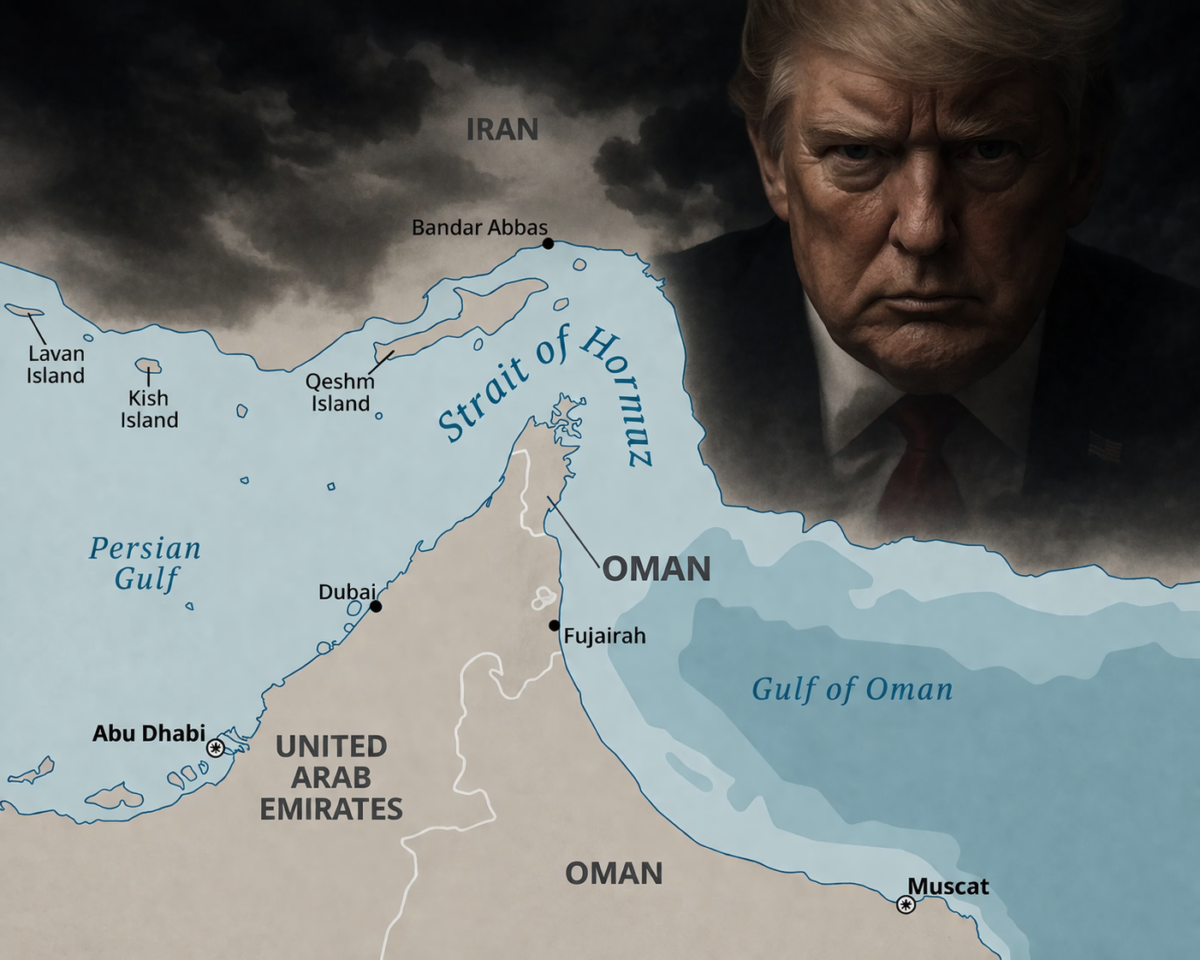
Under the proposal, Iran would immediately reopen the Strait of Hormuz, where its blockade has squeezed global energy markets and contributed to rising inflation. The United States would lift its naval blockade on Iranian ports, while foreign banks would unfreeze billions in restricted Iranian assets.
After a formal end to hostilities, both sides would enter a mandatory 30-to-60-day negotiating window over Iran’s highly enriched uranium stockpile and nuclear infrastructure.
Despite Trump’s optimism, reports out of Tehran have described the White House’s account of a finalized deal as “inconsistent with reality.”
Several major sticking points remain.
Trump has said the Strait of Hormuz would be fully reopened to international shipping, while Iran’s state-run Fars news agency has said Tehran would maintain operational control over the corridor.
The nuclear issue also remains unresolved. Trump is demanding the complete surrender of Iran’s enriched uranium and the dismantling of major nuclear sites, including Natanz and Fordow. Iran has refused to ship its uranium out of the country.
Iran’s counterproposal also calls for the full withdrawal of U.S. military forces from what it considers the active “warzone.”
The Trump administration is pursuing diplomacy while maintaining heavy military pressure. Trump has held extensive phone conferences with Israeli Prime Minister Benjamin Netanyahu and leaders from Saudi Arabia, the UAE, Qatar, Egypt, Jordan, Turkey, and Pakistan.
The latest diplomatic movement follows a mission to Tehran by Pakistan’s Army Chief, Field Marshal Asim Munir.
More than 20 U.S. warships, including the aircraft carriers USS George H.W. Bush and USS Abraham Lincoln, remain deployed in the region. U.S. military personnel have also had Memorial Day leave canceled as commanders await a final decision on whether to resume airstrikes.