

WASHINGTON – Hopes for a major diplomatic breakthrough in the three-month conflict between the United States and Iran sent global stock markets soaring Friday while crude oil prices dropped sharply to their lowest levels in nearly two months.
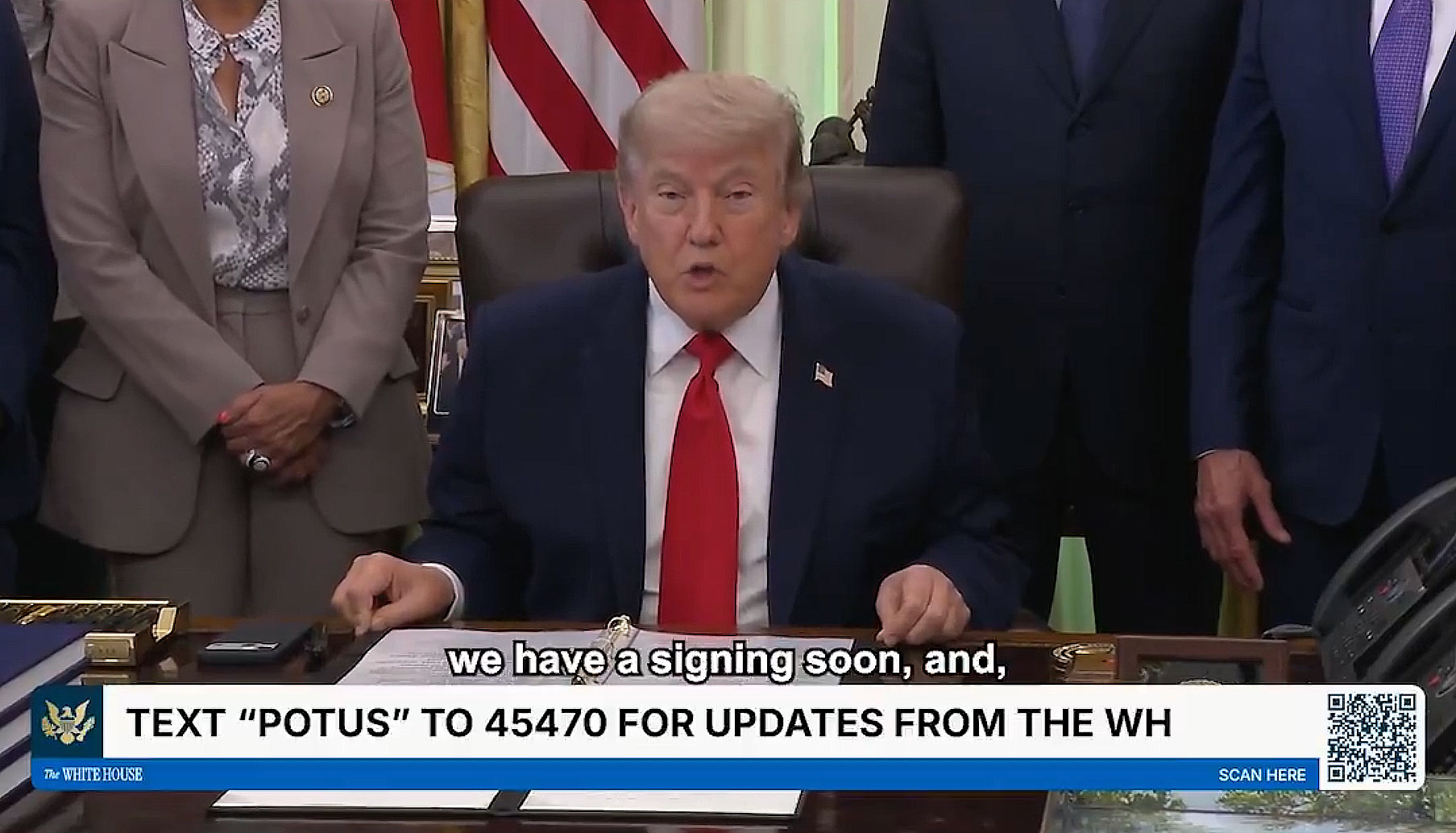
The sudden market shift followed comments from President Donald Trump, who said planned U.S. military strikes were called off after negotiators reached what he described as a preliminary framework agreement approved by “all parties.” Trump has since suggested a formal agreement could potentially be signed within days.
Negotiations have intensified around a proposed 60-day Memorandum of Understanding aimed at extending a fragile ceasefire between the two nations. Reports indicate the agreement is being brokered with assistance from Qatar and Pakistan, while discussions continue over sanctions relief, reopening vital shipping lanes, and Iran’s nuclear program.
Among the key provisions under discussion is the full reopening of the Strait of Hormuz for international shipping, along with Iran beginning the removal of naval mines from the region. The proposed agreement would also include sanctions waivers from the United States, allowing Tehran to resume unrestricted oil exports.
The framework further requires Iran to abandon efforts to develop nuclear weapons and comply with United Nations inspections. Trump has repeatedly stated that preventing Iran from obtaining a nuclear weapon remains the central condition of any final settlement.
Despite the growing optimism, Iranian officials have signaled caution. Iran’s foreign ministry stated that the final text of the agreement remains under review and has not yet been officially signed, while reports indicate final approval from Iran’s leadership is still pending.
The proposed agreement follows months of escalating military tension surrounding the Strait of Hormuz, one of the world’s most critical oil shipping corridors. The conflict severely disrupted global energy markets after Iran restricted access to the waterway and the United States responded with naval operations and a blockade aimed at restoring commercial shipping traffic.
Energy markets reacted immediately to the prospect of de-escalation, trimming much of the geopolitical risk premium that had driven oil prices sharply higher during the conflict.
Brent crude fell roughly 3 percent to around $89 per barrel after previously climbing above $100 during the height of the war. West Texas Intermediate crude dropped nearly 2.6 percent to approximately $86.50 per barrel as fears of an immediate supply disruption eased.
Analysts warned, however, that oil prices could quickly surge again if negotiations collapse. With strong summer demand approaching and global inventory levels remaining relatively low, some market observers believe crude could climb back into the $120 to $130 range by late July if hostilities resume.
Stock markets across the globe rallied strongly on news of the possible agreement, as investors responded to easing concerns over war-driven inflation and broader economic instability.
On Wall Street, the S&P 500 climbed 1.3 percent while the Dow Jones Industrial Average surged 802 points, or 1.6 percent, during a broad-based rally.
International markets also posted major gains. South Korea’s Kospi index led global markets after soaring nearly 8 percent, while Japan’s Nikkei index advanced more than 3 percent.
Technology companies, artificial intelligence firms, and chipmakers helped drive the rebound, while energy stocks lagged behind the broader market due to falling oil prices.




Ok
So when THIS is over , and gas comes back down to where it was when Joe “ Cabbage Head “ Biden was in office , WHAT will democrats proclaim to be our next existential threat ?
brain rot trump.
Trump is a loser.
Trump literally just said he loves inflation. I don’t. I don’t like $4.39 a gallon in a supposedly energy independent country cause Trump and his inbred jewish masters are getting wasted in south west Asia. I don’t like the fact that olive oil has more than doubled in price because the inbred jews are destroying the olive trees in Palestine and Lebanon in an effort to destroy the livelihood of farmers.
Global markets are surging!? Look at your 401k and tell me that. The only increase since Trump started an illegal war against a sovereign nation is from your buy in. Furthermore, how many regular folks are invested in global markets!? We care about the price of groceries and gasoline and housing!!
What happened to our wall? Trump gets a ballroom and arch instead!? Seriously?
A deal is imminent!?!? This is the 28th time Trump has said that. For those of you that don’t get it “a deal” means an agreed upon lists of demands to discuss when negotiations begin. “A deal is imminent “ means we almost have an agreement to discuss something. However, 28 “imminent deal” announcements later there are still no negotiations.
Global markets are being manipulated. That is to say A.I is being manipulated.
A.I is trading based on what it understands or predicts. Trump and his inbred jewish partners at palantir are manipulating A.I managed markets.
Ex: Trump makes idiotic social media statement about an “imminent deal” and A.I “predictably” falls for it.
“The United States is just 2 weeks away from developing a peace deal that will be capable of destroying Israel!” – THe Mossad, probably
Great interview on Howie Carr, Jon! I had no idea of your history in Massachusetts with the excesses of “immigrant” programs there.
MORE BULL SHT. THANKS TACO.