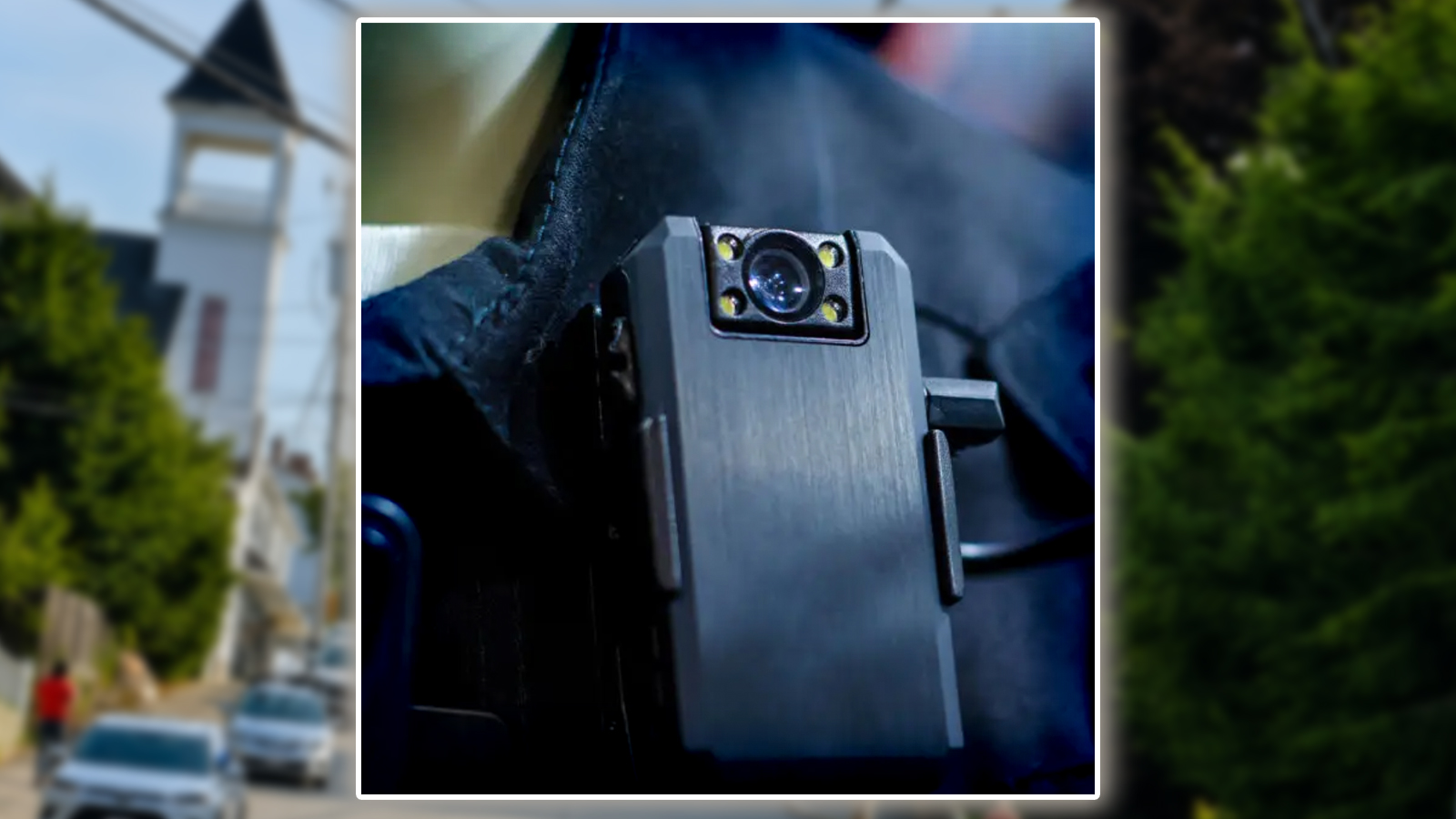
WASHINGTON – The Trump administration announced Sunday that U.S. Immigration and Customs Enforcement (ICE) officers will soon be required to wear body cameras during vehicle stops, a significant policy shift that follows two fatal ICE shootings in less than a week, including the death of Johan Sebastián Durán Guerrero in Biddeford.
White House border czar Tom Homan announced the change during appearances on Fox & Friends Weekend and CBS’s Face the Nation, saying body cameras provide greater transparency while protecting both law enforcement officers and the public.
“They exonerate more law enforcement than they convict, and I want officers to wear body cameras because I want the American people to see what the officers saw when they took that action,” Homan said.
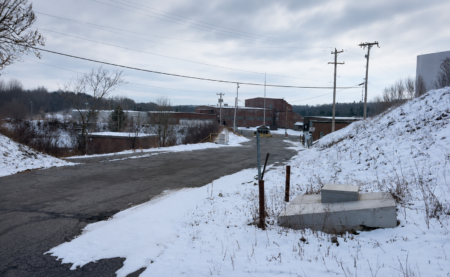
The announcement follows growing scrutiny of ICE enforcement tactics after two fatal shootings within six days. On July 7, an ICE agent in Houston fatally shot a Mexican national during a vehicle stop. Six days later, ICE Special Agent David Brouillette fatally shot 25-year-old Johan Sebastián Durán Guerrero, a Colombian national, during an enforcement operation in Biddeford.
The Department of Homeland Security has acknowledged that neither man was the intended target of the immigration operations that resulted in their deaths. Neither shooting was captured by body cameras because ICE agents involved were not equipped with the devices.
Durán Guerrero’s death sparked days of protests across southern Maine and prompted calls for an independent investigation from Gov. Janet Mills, Maine’s congressional delegation, and local officials. The shooting also led the Department of Homeland Security to temporarily suspend most ICE vehicle stops while the agency reviewed its procedures before President Donald Trump directed that the operations resume.
Nationwide rollout begins
Homan said the nationwide deployment of body cameras had been delayed after funding was caught up during the partial federal government shutdown earlier this year.
“The cameras have been purchased right now,” Homan said. “They’re training the trainer in deploying the cameras nationwide.”
ICE first launched a limited body camera pilot program in 2024, but expansion beyond several field offices stalled. Under the new policy, at least one officer participating in every vehicle stop will be required to wear a body camera once the nationwide deployment is complete.
https://x.com/facethenation/status/2078882762904269270?s=46
Reports raise questions over FBI oversight
The body camera announcement comes as reports have surfaced describing a potential shift in how federal investigations involving ICE agents are handled.
According to reporting first published by The New York Times, FBI managers recently received internal guidance indicating the bureau would no longer routinely investigate violent confrontations involving Department of Homeland Security personnel, including incidents involving immigration agents.
Historically, the FBI has conducted parallel or joint investigations into officer-involved shootings and alleged assaults on federal agents, providing an independent review alongside internal agency investigations.
The reported guidance has drawn criticism from civil rights organizations and immigration advocates, who argue reducing the FBI’s role could weaken independent oversight at a time when ICE enforcement tactics are under heightened national scrutiny.
The Justice Department and the Department of Homeland Security have disputed reports that a formal policy change has occurred. In a joint statement, the agencies said investigations involving immigration officers will continue “in accordance with agency policy.”
Collins’ call echoed in new policy
The administration’s announcement also reflects recommendations made by U.S. Sen. Susan Collins following the Biddeford shooting.
Collins publicly called for a temporary halt to non-emergency ICE vehicle stops until investigators determine exactly what occurred during the fatal encounter in Biddeford. She also urged the Department of Homeland Security to accelerate deployment of body-worn cameras for ICE agents, saying the footage would protect both officers and civilians by providing an objective record of critical incidents.
https://x.com/polltracker2024/status/2078874464918307291?s=46
The new body camera requirement represents one of the first major operational changes announced by the administration in response to the recent shootings.
Even as the rollout moves forward, debate is expected to continue over whether body cameras alone provide sufficient accountability. Supporters say the recordings will offer greater transparency and clearer evidence during use-of-force investigations, while critics argue the cameras should supplement, not replace, independent investigations conducted outside the Department of Homeland Security.
The fatal shooting of Johan Sebastián Durán Guerrero remains under investigation by the Department of Homeland Security’s Office of Inspector General. No findings regarding the agent’s use of force have been released.