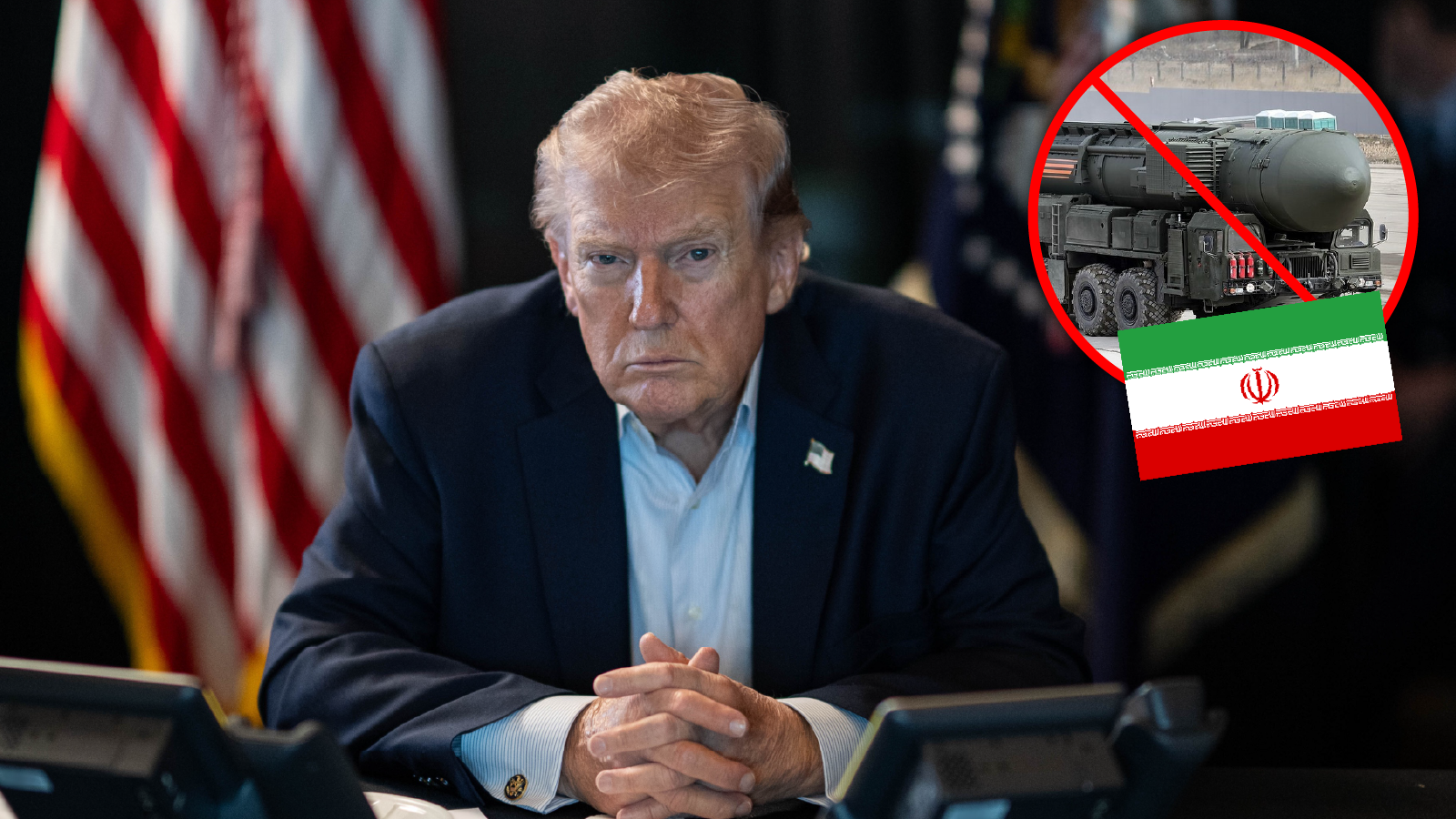
President Donald Trump has called off planned “massive strikes” against Iran and announced that diplomatic negotiations will resume through intermediaries, marking a major shift in the administration’s handling of the escalating conflict.
The decision followed intense pressure from regional partners, including a phone call between Trump and Saudi Arabian Crown Prince Mohammed bin Salman.
Trump has said an agreement is “imminent,” although Iranian officials have publicly downplayed the likelihood of immediate face-to-face negotiations and said they are not currently hosting a U.S. delegation.
The emerging agreement, reportedly brokered primarily by Qatar and Pakistan, would include the “immediate, complete, and total opening” of the Strait of Hormuz and an official end to Iran’s nuclear threat.
https://truthsocial.com/@realDonaldTrump/117023461141824050
A separate diplomatic track managed by Oman is reportedly working to establish a designated maritime shipping route with specific entry and exit lanes intended to reduce the risk of naval confrontations.
The latest reversal follows months of escalating threats, military action and diplomatic retreats.
After a brief ceasefire reached in April collapsed in June, the United States imposed a strict naval blockade. That action was followed by repeated American and Israeli airstrikes and Iranian drone counterattacks across Iraq, Jordan, Kuwait and Yemen.
The six-month conflict has reportedly resulted in the deaths of 18 U.S. service members and more than 3,600 Iranians.
The economic consequences have also been significant. The first four months of the conflict generated an estimated $100 billion in consumer and military costs, while the fighting depleted U.S. missile and interceptor stockpiles and pushed average domestic gasoline prices above $4.10 per gallon.
The conflict has also become increasingly unpopular with American voters as the November midterm elections approach. Roughly 60 percent of the public reportedly disapproves of the war.
Regional governments have also pushed for a diplomatic resolution as Gulf nations remain vulnerable to Iranian retaliatory attacks against critical infrastructure.
Those political, military and economic pressures ultimately helped persuade Trump to halt the planned airstrikes and return to negotiations, although significant questions remain about the timing and terms of any final agreement.